The GYM MASTER GM2 Half Rack with Spotters is the best squat rack for most serious UK home gyms. Its 60 × 60mm, 2mm steel uprights, 350kg published maximum load, 36 adjustment levels and 40cm spotter resting area give it a more convincing safety and progression package than a basic freestanding stand, without taking up the enclosed footprint of a full cage.
Choose the GYM MASTER full cage if you want to lift inside safety bars, the original half cage if pull-ups and dips matter more than fine hole spacing, or the Phoenix stand if the rack must share a room. For genuine wall-folding storage, the MuscleSquad Phase 2 is the specialist option: it folds to 300mm deep, but only after a structure-specific permanent installation.
In This Article
- Our direct answer
- Racks at a glance
- Seven recommendations
- Half rack, full cage or folding rack
- How to measure
- Safety, spotters and anchoring
- Compatibility
- Final verdict
- Frequently asked questions
Best Squat Rack: Our Direct Answer
Buy the GYM MASTER GM2 Half Rack with Spotters if you have a garage or dedicated room with at least 221cm of clear height. It is the strongest all-round configuration in this shortlist because the current listing includes both J-cups and substantial spotter arms, uses numbered Westside-style spacing and accepts 6ft international or 7ft bars.
The GYM MASTER full cage is the better choice for lifters who prefer to squat and bench between full-length safety bars. Its stated 209 × 110 × 112.5cm dimensions are relatively manageable, although the 260kg barbell rating and 210kg pull-up rating are both documented by GYM MASTER for this exact model.
For a multi-use room, choose the Phoenix Fitness adjustable stand. It narrows from 125cm to 74cm and its maximum listed height is 152cm, so storage is less awkward. The compromise is important: short spotter arms on an open stand do not provide the same protected lifting area as long safeties inside a cage.
The Best Squat Racks at a Glance
| Squat rack | Our award | Type | Published bar load | Main compromise |
|---|---|---|---|---|
| GYM MASTER GM2 + spotters | Best overall | Half rack | 350kg | 221cm high and 149cm deep |
| GYM MASTER Power Rack | Best full cage | Full cage | 260kg | Less open access around the bar |
| MuscleSquad Phase 2 Folding Rack | Best genuine folding rack | Wall-folding | 286kg | Structural installation required |
| GYM MASTER Half Cage | Best for pull-ups and dips | Half cage | 200kg | Lower rating and coarser front spacing |
| Phoenix Fitness Stand | Best compact stand | Adjustable stand | Not stated in current product information | Shorter open spotter area |
| TOTEBOX Stand | Best multifunction stand | Adjustable stand | 250kg | Unproven support and exaggerated exercise claims |
| Yaheetech Stand | Best budget stand | Adjustable stand | 250kg | Basic catches and open construction |
Load figures are manufacturer or seller claims, not independent tests. They do not tell you how stable a rack feels when re-racking off-centre, whether fixings suit your floor or how much reserve capacity remains after wear and assembly variation.
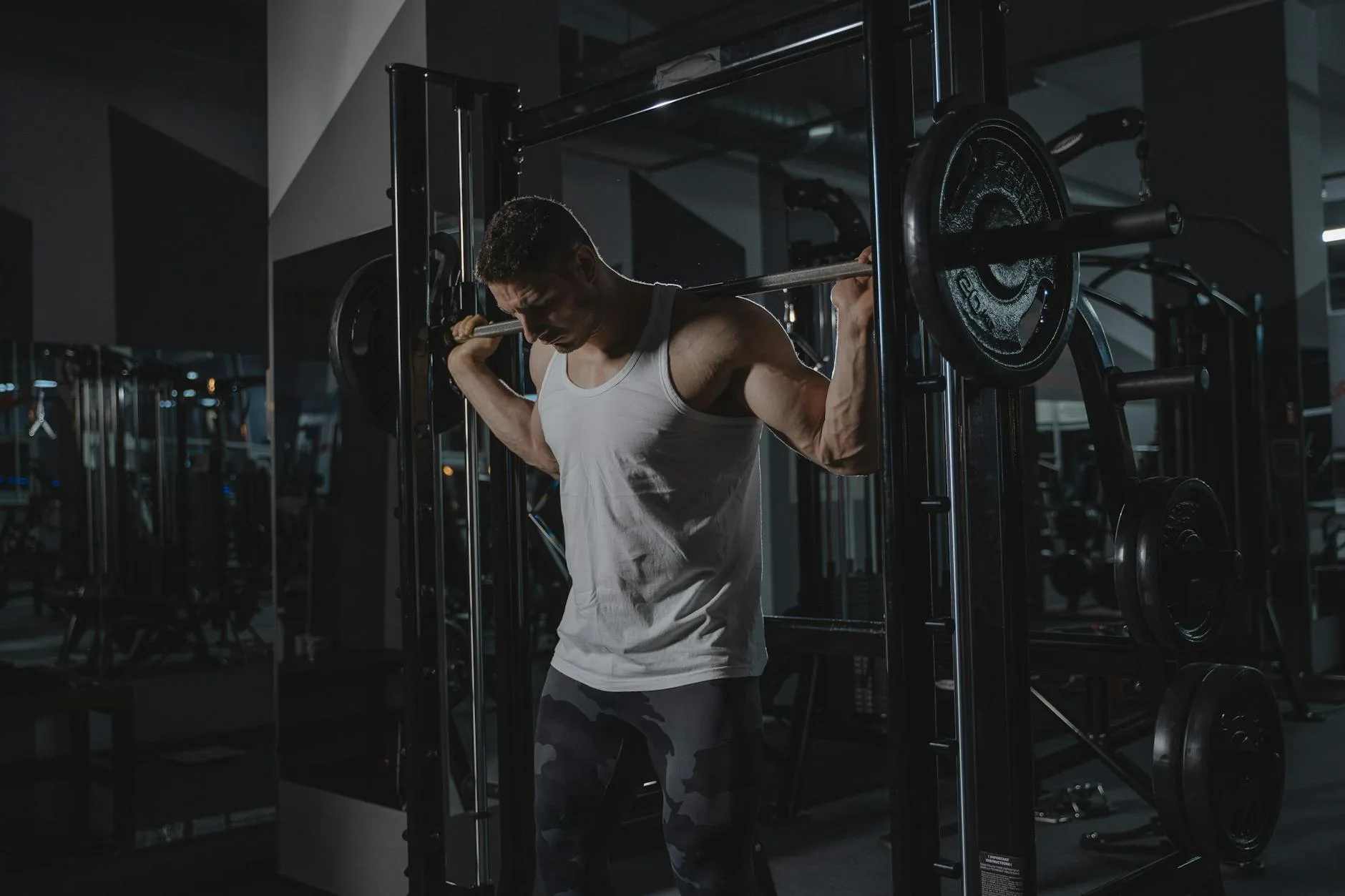
Our Seven Squat Rack Recommendations
GYM MASTER GM2 Half Rack with Spotters — Best Overall

The GM2 is the rack we would build a long-term garage setup around. The listing specifies 60 × 60mm uprights in 2mm steel, 36 numbered adjustment levels and closer Westside spacing around the bench zone. Small hole increments make it easier to set J-cups and spotters without choosing between a poor lift-off and poor protection.
This variant matters because it includes 60mm GYM MASTER safety spotter arms. The current official accessory page specifies a 40cm barbell-rest area and 50cm overall length, with UHMW pads and a safety pin. That remains far more useful catch length than the tiny secondary pegs found on entry-level stands. The rack also includes UHMW-lined J-cups to reduce metal-on-metal contact with a barbell.
It is not compact: 221cm high, 124cm wide and 149cm deep. The listing says pre-drilled 11mm floor holes are provided, but fixings are not included because floors differ. Decide the anchoring method before the rack arrives rather than improvising after assembly. The official GM2 spotter specification should take precedence over older marketplace copy.
- Buy it if: you want a serious half rack with proper included spotters.
- Skip it if: your ceiling or usable floor depth is tight.
- Main compromise: strong specification, but it needs a dedicated footprint and suitable anchoring decision.
GYM MASTER Power Rack — Best Full Cage

A full cage surrounds the lifting position with four uprights and lets the supplied safety bars span front to back. That makes the GYM MASTER cage the logical choice for solo benching and squatting when you want the bar contained inside the rack rather than caught by projecting arms.
The current GYM MASTER page for this exact cage gives 21 height settings, a 260kg maximum barbell load, a 210kg pull-up limit and compatibility with 6ft and 7ft standard or Olympic bars. At 209cm high it fits beneath ceilings that rule out the 221cm GM2, though you still need head clearance above the pull-up bar.
Its 50 × 50mm frame is lighter-duty than the GM2’s 60 × 60mm construction, and the listing explicitly says it is not for commercial use. GYM MASTER specifies 260kg for the barbell and 210kg for the pull-up bar on the exact manufacturer model page. Treat both as ceilings, not targets to approach casually.
- Buy it if: full-length internal safeties are your priority.
- Skip it if: open walk-in access or future modular attachments matter more.
- Main compromise: enclosed protection with a lower published rating than the GM2.
MuscleSquad Phase 2 Wall Mounted Folding Squat Rack — Best Genuine Folding Rack
This is the folding option the title needs. MuscleSquad sells it directly to UK buyers and documents a 60 × 60 × 2mm upright frame, 2234mm total height, 1230mm width, 1176mm deployed depth and 300mm folded depth. The published maximum load is 286kg.
It folds towards the wall using hinged bracing, but still needs a permanent installation. MuscleSquad states that the rear can be bolted to the floor, and its dimensions increase to 1607mm deep with the included spotter arms fitted. The rack supports 6ft international and all 7ft barbells. MuscleSquad states that two spotter arms are included, alongside two standard J-hooks, two safety bars, the multi-position pull-up bar and mounting hardware.
The purchase route is MuscleSquad’s current UK product page. MuscleSquad documents delivery across England, Scotland, the Scottish Highlands and Northern Ireland, with arrangements varying by location: Epic Logistics normally delivers to a ground-floor room in England and Scotland excluding the Highlands; larger orders may arrive by Pallex on a pallet; Highlands deliveries use Pallex kerbside pallet delivery; and Northern Ireland deliveries use Pallet Line kerbside pallet delivery. Before ordering, send the wall and floor construction to MuscleSquad or a competent installer and obtain a fixing plan for that exact structure.
- Buy it if: you need a documented rack that folds to 300mm deep.
- Skip it if: you cannot verify a suitable structural wall and floor fixing method.
- Main compromise: genuine space saving requires permanent, structure-specific installation.
GYM MASTER Half Power Cage — Best for Pull-Ups and Dips

This older half cage earns its place by combining J-cups, front spotter arms, a multi-grip pull-up bar and dip handles. It can replace several separate stations in a compact home gym, particularly where bodyweight training sits alongside squats and presses.
GYM MASTER quotes a 200kg maximum barbell load and 120kg pull-up limit. The listing describes 20 front positions at 5cm increments plus 26 rear positions. Five-centimetre front spacing is usable for squats but less refined for bench setup than the GM2.
The listing says assembly tools are not included. Check every fastener after the first few sessions and follow the supplied instructions. Dip work and pull-ups can create movement in a different direction from a controlled squat, so stability matters beyond the barbell figure.
- Buy it if: pull-ups and dips are central to the plan.
- Skip it if: fine bench-height adjustment or a higher bar rating matters.
- Main compromise: versatile station with a more basic rack specification.
Phoenix Fitness Adjustable Squat Rack — Best Compact Stand

The Phoenix is the best fit for a spare room or shared garage because both width and height adjust. The listing gives 74–125cm width, 98–152cm height, 70cm depth, 13 height positions and 14 width positions. It also adds plate storage, dip handles and short spotter arms.
That adjustability helps it work with different users and bench widths, but every moving joint adds another pin or fastener to check. Set both sides to the same height, verify the pins are fully engaged and never assume the frame is symmetrical after someone else has adjusted it.
Phoenix does not provide a numerical maximum bar load in its current product information. That omission is a reason to be conservative, not to borrow a capacity figure from another model. It suits controlled home training below the limits confirmed in the manual.
- Buy it if: the rack must shrink into a multi-use room.
- Skip it if: you lift alone near your limit and want long safeties.
- Main compromise: compact flexibility without the containment of a cage.
TOTEBOX Adjustable Squat Rack — Best Multifunction Stand

TOTEBOX combines adjustable J-cups, spotter arms, dip handles, push-up grips and plate storage in one open stand. Its listed ranges are 93–151cm high and 86–109cm wide, with a claimed 250kg maximum load.
The product is appealing on paper, but the listing overreaches by describing pull-ups even though the pictured stand is not a conventional overhead pull-up station. Use only the exercises shown and authorised in the supplied manual, and do not improvise by loading a component in a direction it was not designed for.
Compared with the Phoenix, it offers a narrower adjustment range and a less established UK support trail. Buy it for the included layout only if the dimensions match your bar, bench and storage plan.
- Buy it if: you want several attachments on an open stand.
- Skip it if: clear manufacturer documentation and long-term parts support are priorities.
- Main compromise: broad feature list with less confidence behind it.
Yaheetech Adjustable Squat Rack — Best Budget Stand
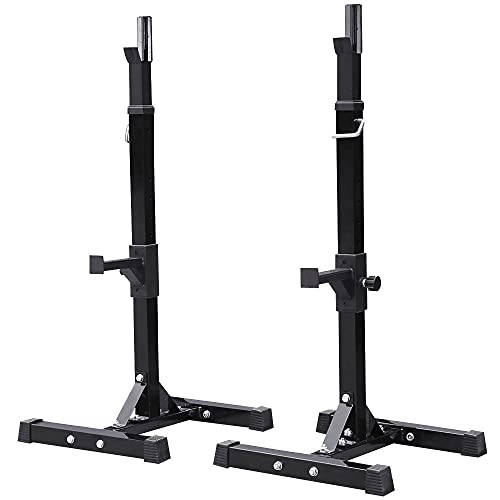
The Yaheetech is the simple budget route into barbell squats and bench pressing. Its two-post frame adjusts from 114 to 179cm in 5cm increments, uses 50mm steel tubing and carries a published 250kg capacity. Rubber end caps protect hard flooring and reduce sliding.
Its appeal is price and height range, not sophisticated protection. The secondary catches are small, and an open rack gives the bar more ways to miss them. Keep loads conservative, practise re-racking evenly and use a competent spotter when the set calls for one.
The assembly note is worth taking seriously: the seller says the nuts require a wrench and should not be left hand-tight. Recheck the structure after initial use, because settling joints can reveal play that was not obvious during assembly.
- Buy it if: you need a basic adjustable rack at the lowest sensible cost.
- Skip it if: long safeties or heavy solo lifting are part of the plan.
- Main compromise: useful capacity claim with minimal catch protection.
Half Rack, Full Cage or Folding Rack?
Half rack: the best general home-gym compromise
A half rack gives open access from the front and sides, supports a pull-up bar and can use long spotter arms. It suits Olympic lifts taken out of the rack, squats, presses and attachment-led training. The downside is that its safeties project towards you rather than enclosing the bar.
Full cage: best for lifting inside the rack
A full cage makes most sense when solo squats and bench presses dominate. Safety pins or straps span between uprights, creating a larger catch zone. You pay with floor space and restricted movement around the bar. Measure the bench path too; some benches cannot slide far enough through a rear crossmember.
Folding rack: only when the wall is suitable
A genuine folding wall rack saves floor space by hinging its uprights towards the wall. It does not remove the need for working space while training, and its safety depends heavily on the wall, stringers, floor and fixings. The MuscleSquad Phase 2 is the documented specialist option in this guide; its 300mm folded depth is useful only after a competent, structure-specific installation.
How to Measure Your Home Gym
- Measure ceiling height: include lights, door tracks and the space your head needs above a pull-up bar.
- Mark the rack footprint: use masking tape for the full width and depth, including feet and storage horns.
- Add barbell clearance: a 7ft bar needs room for sleeves, plates and loading on both sides.
- Check the bench route: confirm the bench can enter, centre and leave without hitting crossmembers.
- Plan escape and access: doors, boilers, consumer units and garage equipment must remain reachable.
Do not confuse rack width with total training width. Our UK garage-gym setup guide helps with ceiling and access constraints, while the home-gym space guide covers usable zones around equipment.
Safety, Spotters and Anchoring
Set safeties before loading the bar
For squats, place the safety just below your lowest controlled depth so it does not strike the bar during normal reps. For bench press, set it high enough to hold the bar above your chest when your arch relaxes. Test with an empty bar, then a light load, before a working set.
The NHS recommends strengthening work on at least two days a week, but its strength and flexibility guidance also stresses controlled progression. A rack improves setup; it does not replace sound technique, sensible loading or appropriate coaching.
Anchor only for the actual structure
Never copy a fixing method from a different garage. Concrete thickness, screed, underfloor heating, timber joists and wall construction all change what is safe. Follow the rack maker’s instructions and use suitable professional advice where the substrate is unknown. Our power-rack anchoring guide explains the decisions to resolve first. Adding plates to storage horns may improve normal stability, but it is not automatically equivalent to anchoring.
Barbell, Bench and Floor Compatibility
- Bar length: confirm the shaft and sleeve geometry clears the uprights; “6ft compatible” may mean a 6ft international-style bar rather than every short bar.
- J-cup size: attachment dimensions must match the upright and hole diameter, not merely the brand name.
- Bench height: check that J-cup and safety increments allow a clean lift-off and protected bottom position.
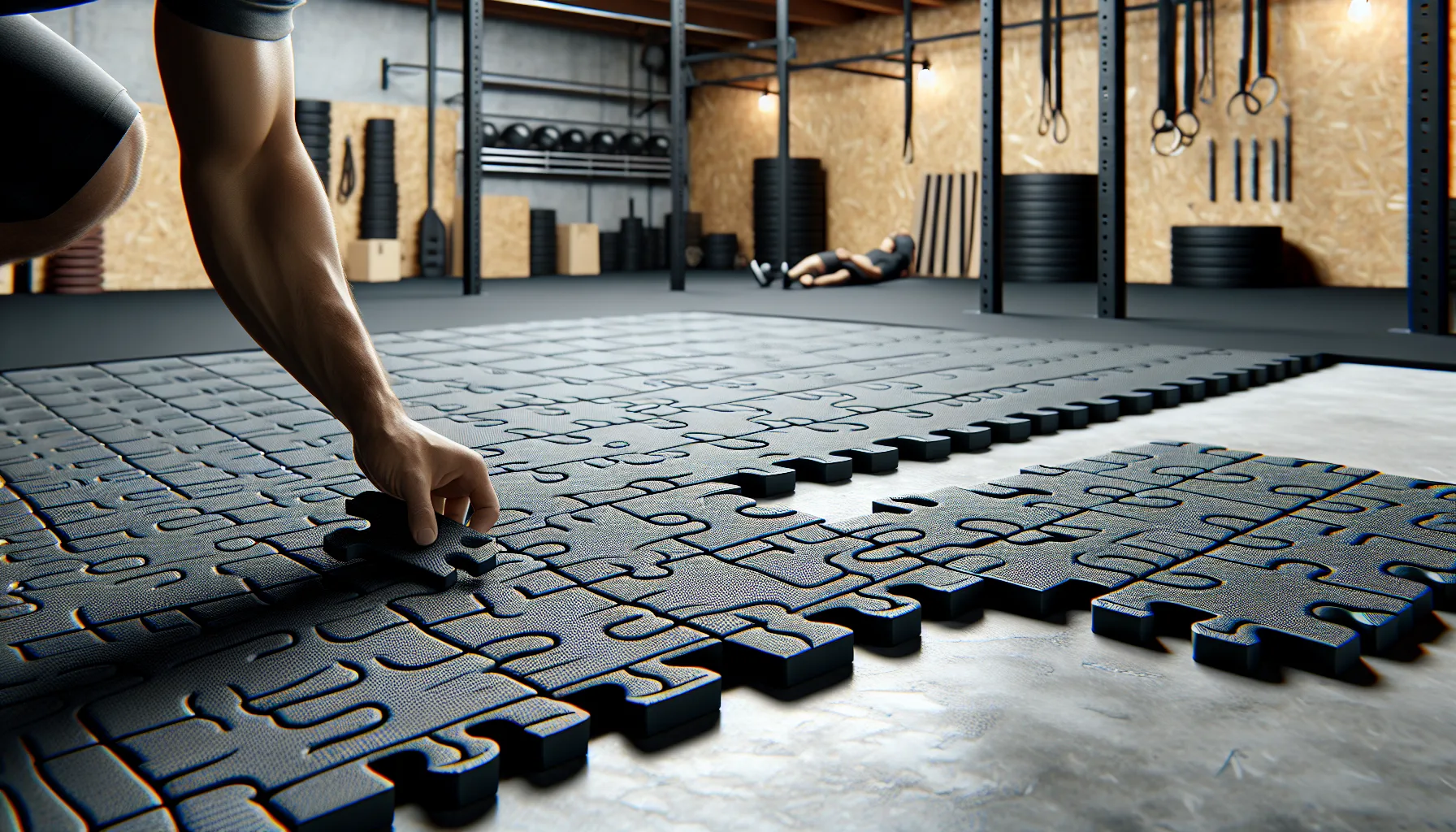
- Flooring: firm rubber protects the floor, but thick soft foam can make a rack unstable.
- Plates: leave sleeve-loading clearance and space for collars on both sides.
Our weight bench guide, gym flooring comparison and Olympic barbell guide cover the three compatibility mistakes that most often turn a sensible rack purchase into an awkward room.
Which Squat Rack Should You Buy?
Choose the GYM MASTER GM2 Half Rack with Spotters for the strongest overall mix of adjustment, published capacity and useful catch length. Choose the GYM MASTER full cage when internal safety bars matter more than open access, or the original GYM MASTER Half Cage for an all-in-one pull-up and dip station.
The Phoenix Fitness stand is the best compact option, followed by the TOTEBOX when its attachments match your plan. The Yaheetech is a basic budget stand for controlled lifting. For true wall-folding storage, choose the MuscleSquad Phase 2 only after confirming the installation with the manufacturer or a competent installer; compact and folding are not interchangeable.
Frequently Asked Questions
Is a half rack safer than a squat stand? It usually offers longer spotter arms and a more rigid joined frame, but safety still depends on setup, load, anchoring and correct use.
Do I need to bolt a squat rack down? Follow the exact manufacturer’s instructions. Some racks require anchoring; others are designed to be freestanding. Your floor construction determines the right fixing.
How much ceiling height does a power rack need? Add clearance above the rack for assembly, pull-ups and your head. A 221cm rack normally needs more than 221cm of usable height.
Can a 6ft bar fit every squat rack? No. Sleeve and shaft geometry varies. Confirm the internal grip width and rack compatibility rather than relying on total bar length.
Is a folding rack as safe as a full cage? It can be suitable when engineered and installed correctly, but it normally uses spotter arms rather than full internal safeties. Wall structure and fixings are critical.
Can I bench press alone in a squat rack? Use correctly positioned safeties and a suitable rack, but avoid maximal attempts alone. Test the catch height before loading the bar.