You’ve just bought a decent barbell and squat rack, loaded up the bar with those cheap cast iron plates from Facebook Marketplace, and halfway through a set of deadlifts the coating chips off and a shard of iron pings across the garage floor. Or worse — you drop the bar from overhead and the plates crack your concrete. Olympic weight plates aren’t just about the weight on the bar. The type you choose determines how long your floor survives, how loud your sessions are, and whether you’ll still be using the same plates in ten years. For related guidance, see our Best Kettlebells 2026 UK: Cast Iron & Competition guide. For related guidance, see our Best Olympic Barbells 2026 UK: Power, Olympic & Hybrid guide.
In This Article
- Best Overall Pick
- Olympic Plates vs Standard Plates: What’s the Difference?
- Bumper Plates vs Iron Plates
- What to Look For When Buying
- Best Olympic Weight Plates for UK Home Gyms
- Bulldog Gear Black Bumper Plates — Best Overall
- StrengthShop Calibrated Steel Plates — Best for Powerlifting
- Mirafit Rubber-Coated Tri-Grip Plates — Best Budget
- Again Faster Competition Bumper Plates — Best for Olympic Lifting
- Primal Strength Urethane Plates — Best Premium
- How Many Plates Do You Actually Need?
- Plate Storage and Organisation
- Floor Protection and Noise Reduction
- Iron vs Bumper: Which Should You Buy?
- Frequently Asked Questions
Best Overall Pick
The Bulldog Gear Black Bumper Plates (about £1.80-2.20/kg) are the ones to buy for most home gym setups. Dead bounce, tight weight tolerance (±10g on competition sets, ±1% on training), and a slim profile that lets you load more weight on the bar than thick rubber alternatives. We’ve been dropping these from overhead for two years and they still look nearly new — no chunks missing, no permanent deformation, no smell.
If you’re a powerlifter who doesn’t need to drop the bar, StrengthShop Calibrated Steel Plates (about £2.50-3.50/kg) are thinner, more accurate, and stack beautifully on the bar. For budget buyers, Mirafit Rubber-Coated Tri-Grip Plates at about £1.50-1.80/kg do the job without the premium price.
Olympic Plates vs Standard Plates: What’s the Difference?
The Hole Size
This is the fundamental distinction. Olympic plates have a 50mm (2-inch) centre hole. Standard plates have a 25mm (1-inch) hole. The two are not interchangeable — you can’t put standard plates on an Olympic bar without adaptors, and adaptors wobble.
Why Olympic Is Better
- More stable on the bar — the snug 50mm fit means plates don’t rattle or shift mid-lift
- Rotating sleeves — Olympic bars have sleeves that spin independently, reducing wrist strain during cleans and snatches
- Higher weight capacity — Olympic bars handle 200-350kg+ vs 100-150kg for standard bars
- Better resale value — the entire serious fitness market uses Olympic sizing. Standard plates are hard to sell secondhand
If you’re building a home gym from scratch, go Olympic from day one. The price difference is minimal and you’ll never need to replace everything later.
Bumper Plates vs Iron Plates
Bumper Plates
Made from solid rubber (or rubber-coated steel for competition plates). Designed to be dropped from overhead without damaging the floor, the bar, or the plates themselves.
- Best for: Olympic lifting, CrossFit, anyone who drops the bar
- Downsides: Thicker than iron plates (especially 10kg and 15kg bumpers), so you run out of bar space sooner. More expensive per kilo
Cast Iron Plates
Traditional iron plates, sometimes with a rubber or vinyl coating. Thin profile means you can load more weight on the bar.
- Best for: Powerlifting, bodybuilding, controlled movements where you don’t drop the bar
- Downsides: Will crack concrete floors if dropped. Loud. Uncoated iron rusts in damp UK garages
Rubber-Coated Iron
A middle ground — iron core with a rubber coating. Quieter than bare iron, won’t scratch the bar sleeves, but still shouldn’t be dropped from height. The coating can peel after years of heavy use.
What to Look For When Buying
Weight Accuracy
Cheap plates can be 5-10% off their stated weight. That 20kg plate might actually be 18.5kg or 21.2kg. For casual training this doesn’t matter much, but if you’re tracking progress or competing, it does.
- Competition plates: ±10g tolerance (IPF standard)
- Training plates: ±1-2% is acceptable
- Budget plates: ±5% is common — weigh them on a bathroom scale when they arrive
Diameter
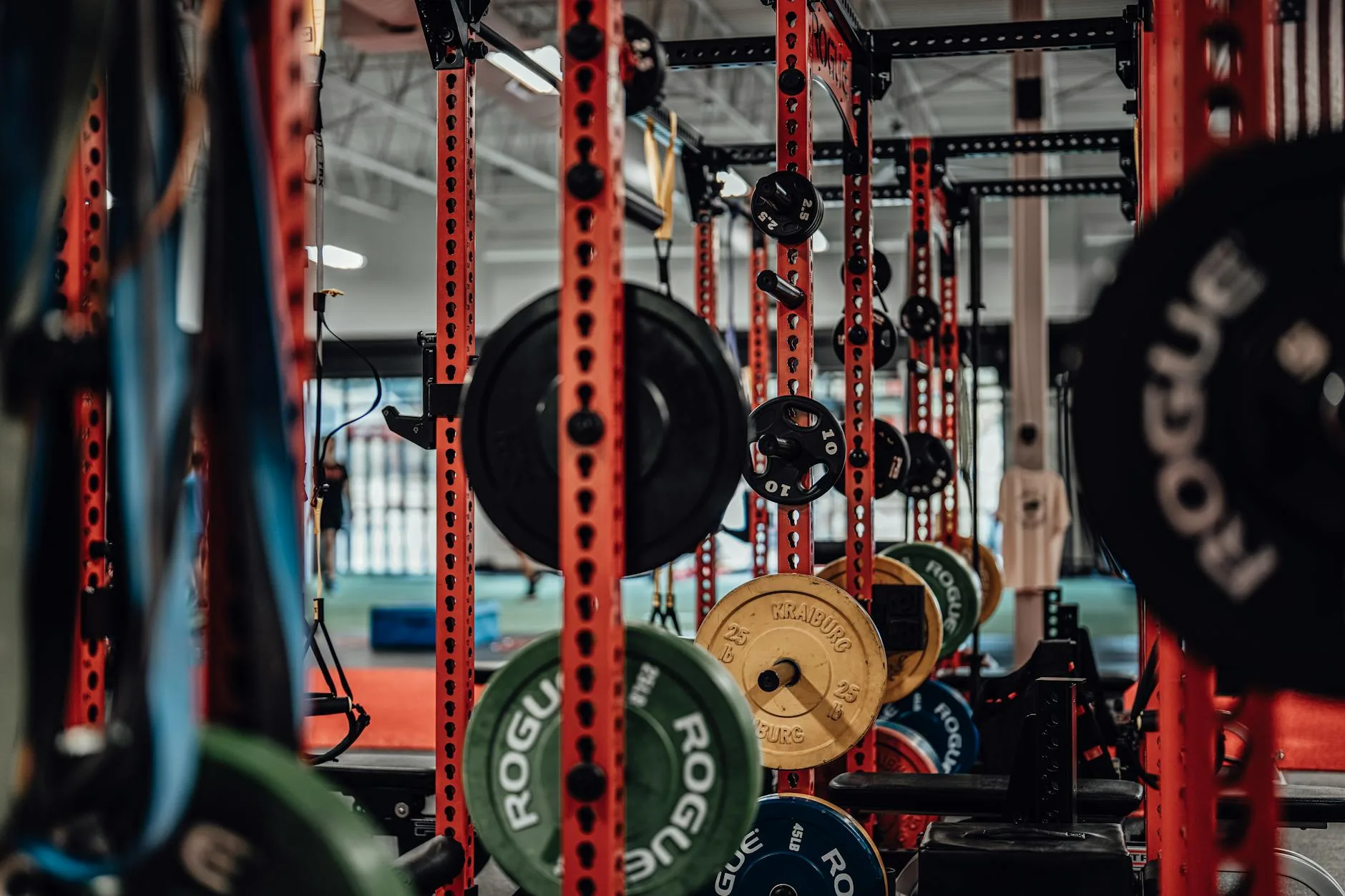
All Olympic bumper plates should be 450mm diameter regardless of weight. This means a 10kg plate is the same height off the ground as a 25kg plate — important for consistent deadlift starting position. Cheaper bumpers sometimes cut the diameter on lighter plates, which defeats the purpose.
Plate Thickness
Thinner plates let you load more weight on the bar. A standard Olympic bar sleeve is about 415mm long. Thick bumper plates (especially 10kg and 15kg) eat through that space fast. Competition bumper plates are noticeably thinner than training bumpers — worth the premium if you’re lifting heavy.
Durability and Material
- Virgin rubber — best quality, least smell, most durable. Used in competition plates
- Recycled rubber (crumb rubber) — cheaper, slightly more porous, stronger smell when new. The smell fades after 2-4 weeks in a ventilated space
- Urethane — premium material. No smell, no marks on floors, extremely durable. Costs 2-3× more than rubber
- Cast iron — lasts forever if kept dry. Rust is the main enemy in UK garages
The Smell Test
New rubber bumper plates smell. Some are worse than others. Crumb rubber plates (recycled tyre material) can smell quite strong for the first few weeks. We left ours in the garden for a week before bringing them into the garage — the smell was completely gone by day five. Virgin rubber plates have almost no smell out of the box.
Best Olympic Weight Plates for UK Home Gyms
Five options covering every budget and training style. All tested in a UK garage gym environment.
Bulldog Gear Black Bumper Plates — Best Overall
Price: About £1.80-2.20/kg (a pair of 20kg plates runs about £70-85)
Best for: Home gym all-rounders who want quality without competition-grade pricing
- Why they’re the top pick: Bulldog Gear is a UK company (based in Stafford) making plates that rival Rogue and Eleiko at a fraction of the import cost. The dead bounce is excellent — drop these from overhead and they land flat, no dramatic bouncing across the room. Weight tolerance is within 1% on every plate we’ve weighed
- What they do well: Slim profile for bumper plates — the 20kg pair is about 60mm thick per plate, leaving plenty of bar space. The matte black finish hides scuff marks. Minimal rubber smell even fresh out of the box. The centre ring is stainless steel, so no corrosion
- The downsides: The 10kg plates are still quite thick (about 45mm) — this is true of all bumper plates at this weight. Availability can be patchy; popular weights sell out and take 2-3 weeks to restock
- Where to buy: Direct from Bulldog Gear (bulldoggear.co.uk), or Amazon UK
StrengthShop Calibrated Steel Plates — Best for Powerlifting
Price: About £2.50-3.50/kg (a pair of 25kg plates runs about £130-170)
Best for: Powerlifters and strength athletes who need precise weight and thin profiles
- Why they stand out: IPF-calibrated to within ±10g per plate. These are the same standard used in competition. The steel construction means each plate is remarkably thin — a 25kg plate is just 32mm thick. You can load over 300kg on a standard bar with room to spare
- What they do well: The knife-edge precision is satisfying — stack a pair of 25s, a pair of 20s, and a pair of 10s and the total will be within 50g of 110kg. Colour-coded weight markings follow the IPF colour scheme. Built to last decades
- The downsides: Cannot be dropped. At all. Steel on concrete will damage both. You need proper platform and rack safety systems. Heavy per plate — handling 25kg calibrated plates by hand requires confidence. Price is premium territory
- Where to buy: Direct from StrengthShop (strengthshop.co.uk)
Mirafit Rubber-Coated Tri-Grip Plates — Best Budget
Price: About £1.50-1.80/kg (a pair of 20kg plates runs about £55-70)
Best for: Home gym builders on a budget who want functional, decent-quality plates
- Why they’re good at this price: Tri-grip handles make loading and unloading the bar much easier — especially for heavier plates. The rubber coating protects your bar sleeves and reduces noise. At under £2/kg, these represent serious value for money
- What they do well: The grip cutouts double as handles for plate-loaded exercises (plate squats, plate presses). The coating is thick enough to genuinely protect floors from minor drops (controlled lowering, not overhead drops). Available in every weight from 1.25kg to 25kg from most UK fitness retailers
- The downsides: Not uniform diameter — lighter plates are smaller, so your deadlift starting height changes with load. Weight tolerance is ±3-5%. The rubber coating develops small tears at the edges after 2-3 years of heavy use. Not suitable for dropping from height
- Where to buy: Mirafit direct (mirafit.co.uk), Amazon UK, Argos
Again Faster Competition Bumper Plates — Best for Olympic Lifting
Price: About £2.50-3.50/kg (a pair of 20kg plates runs about £100-140)
Best for: Olympic lifters, CrossFitters, and anyone who regularly drops the bar from overhead
- Why they’re worth it for Oly lifters: Calibrated to competition standard, these plates have the dead bounce and consistent diameter that serious Olympic lifting demands. The thin profile (thinner than most training bumpers) means you can load heavy for clean & jerk and snatch without running out of sleeve space
- What they do well: Extremely low bounce — tested drops from overhead at 100kg+ land clean with minimal roll. Colour-coded to IWF standards. The rubber compound has almost no new-plate smell. Stainless steel insert ring won’t corrode in damp environments
- The downsides: Price sits between training bumpers and premium urethane — you’re paying for competition calibration whether you compete or not. Only available in standard competition increments (10, 15, 20, 25kg). Need change plates for fine-tuning
- Where to buy: Direct from Again Faster (againfaster.co.uk)
Primal Strength Urethane Plates — Best Premium
Price: About £3.50-5.00/kg (a pair of 20kg plates runs about £140-190)
Best for: Premium home gyms where appearance, smell, and floor protection matter
- Why they’re the premium choice: Urethane is the gold standard plate material. Zero rubber smell (ever), won’t mark light-coloured floors, and harder-wearing than rubber. If you’re kitting out a garden room gym or basement conversion where aesthetics matter, these look and feel like commercial gym equipment
- What they do well: The surface finish is smooth and glossy — no rough rubber texture. Weight markings are embedded, not painted on, so they won’t fade. Colour-coded to IWF standards. The urethane compound is more resistant to UV degradation than rubber, so they won’t dry out and crack in a conservatory gym
- The downsides: Expensive — you’ll spend £400-600+ to equip a bar properly. Heavier than bumper plates for the same thickness. Not widely available from UK retailers (direct order or specialist gym equipment shops). Still shouldn’t be dropped from height despite the premium construction
- Where to buy: Primal Strength direct, Fitness Superstore, Sweatband.com
How Many Plates Do You Actually Need
Starter Set (Bench, Squat, Deadlift)
For most people starting a home gym, this covers everything:
- 2× 20kg plates — your bread and butter
- 2× 10kg plates — for warming up and intermediate loads
- 2× 5kg plates — fine-tuning
- 2× 2.5kg plates — small jumps for progressive overload
- 2× 1.25kg plates — micro-loading for pressing movements
That gives you a working range from 25kg (bar only) to 97.5kg (bar + all plates). Total cost: about £150-250 depending on plate type.
Intermediate Set
Once you’re squatting over 100kg, add:
- 2× more 20kg plates — gets you to 137.5kg total capacity
- 2× 15kg plates — fills the gap between 10 and 20
When to Buy More
A common mistake is buying too many plates upfront. Start with the starter set, train for 3-6 months, then buy based on where your lifts are actually progressing. Most home gym lifters never need more than 200kg of total plate weight.
For a complete guide to building your setup, see our home gym for under £500 article — it covers how plates fit into the bigger picture.
Plate Storage and Organisation
Plate Trees
A dedicated plate tree (about £40-80) keeps plates organised and off the floor. Look for trees with pin-loaded storage posts — they hold plates more securely than flat-shelf designs. Most trees hold 200-300kg across 6-8 posts.
Rack-Mounted Storage
If you have a squat rack with storage horns, use them. It saves floor space and keeps your most-used plates within arm’s reach during supersets. Most full cages and half racks come with 2-4 plate storage horns.
Floor Storage
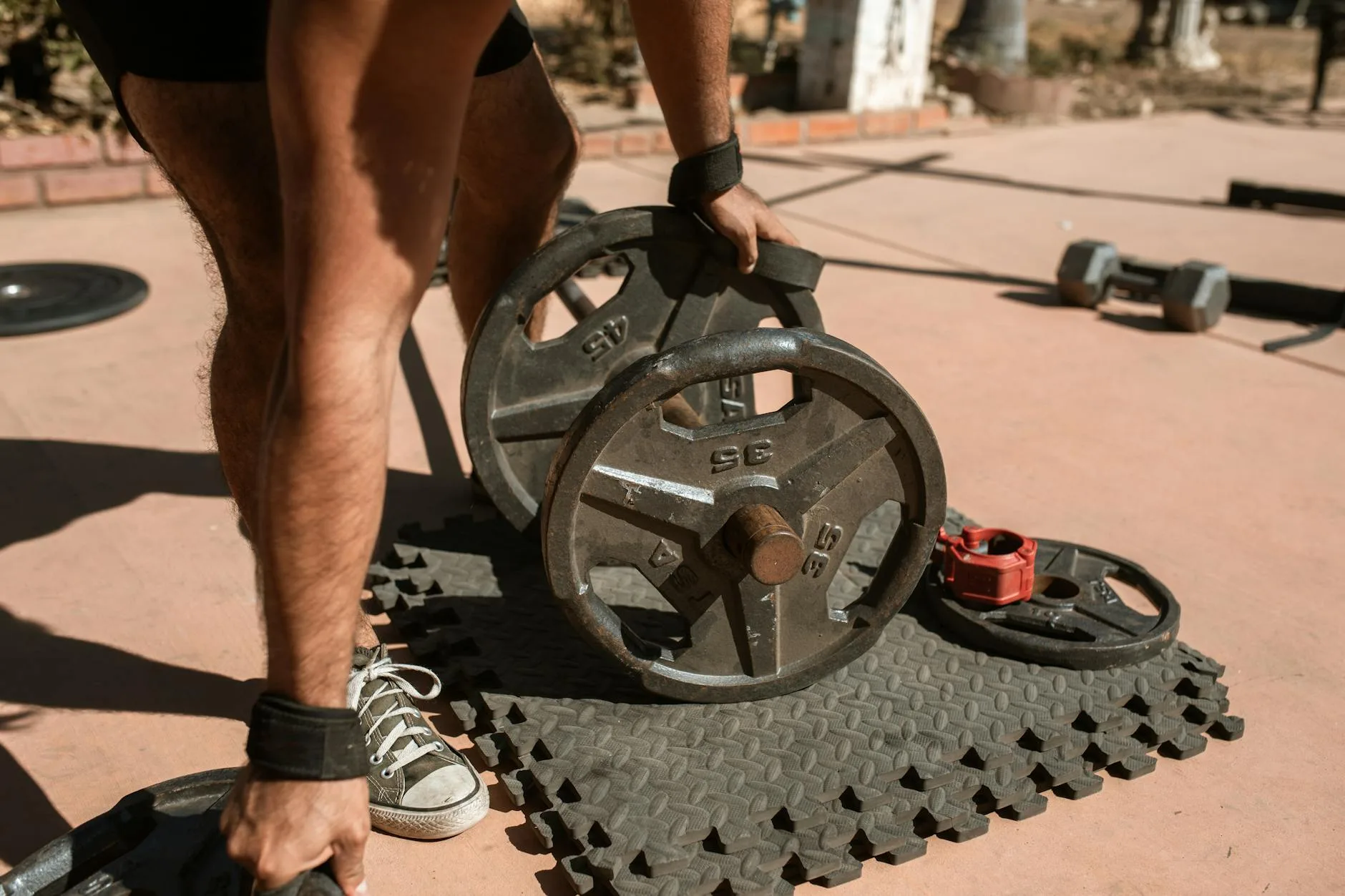
If you’re on a budget, plates can sit on the floor against a wall. Stand them on edge, not flat — flat-stacked plates are harder to grab and take up more floor space. A strip of rubber matting underneath prevents them sliding.
We started with plates on the floor for the first year. It works, but you’ll trip over them at some point. A plate tree was one of the best £50 investments we made.
Floor Protection and Noise Reduction
The UK Garage Gym Problem
Most UK garage floors are bare concrete or thin resin coating. Dropping iron plates on concrete cracks the floor. Dropping bumper plates on concrete is loud — your neighbours will hear it through the garage wall.
What Works
- 18mm rubber gym tiles (about £25-40/m²) — the minimum for a lifting area. Protects floors from bumper plate drops and deadens sound. Available from Mirafit, Wolverson, and Amazon UK
- Horse stall mats (about £30-50 per 6ft × 4ft mat) — thicker and denser than gym tiles. The go-to choice for serious home gym floors. Check Screwfix or equestrian suppliers
- DIY platform — two layers of 18mm OSB/plywood topped with rubber mat. The gold standard for noise and floor protection. Total cost about £60-100 for a 2.4m × 1.2m platform
For a detailed guide, see our best gym flooring buyers guide.
What Doesn’t Work
- Foam mats — compress under heavy loads, provide no real protection
- Carpet — absorbs sweat, smells awful after a month, provides no impact protection
- Nothing — even bumper plates will crack unsealed concrete over time
According to the Health and Safety Executive, prolonged exposure to noise above 80dB can damage hearing. A barbell dropped on concrete in a closed garage easily exceeds this — another reason to invest in proper flooring.
Iron vs Bumper: Which Should You Buy?
If you had to pick one type, go with bumper plates. Here’s why:
- You can use bumper plates for everything iron plates do, but not the reverse. You can’t safely drop iron plates
- UK garage gyms are usually on concrete. Bumpers survive the occasional drop. Iron doesn’t forgive
- Resale value is better for bumper plates — the market is bigger
- The thickness trade-off only matters above 150kg. Most home gym lifters won’t need to worry about bar space
The exception: If you’re a competitive powerlifter who trains with safety bars in a rack and never drops the bar, calibrated steel plates are the better tool. Thinner, more precise, and you won’t need the bounce protection.
The hybrid approach: Buy bumper plates for your first 100-120kg of weight, then add calibrated iron for everything above. This gives you drop-safe working sets and thin plates for heavy top sets. It’s what most experienced home gym lifters end up doing.
If you’re pairing these with a squat rack, our best squat racks guide covers what to look for.
Frequently Asked Questions
Can I mix bumper plates and iron plates on the same bar? Yes, and it’s common practice. Always put the bumper plates on the outside (nearest the collars) so they hit the floor first if you drop the bar. Iron plates on the inside, bumpers on the outside. This protects the iron plates and your floor.
Do Olympic weight plates fit all Olympic bars? Yes. The 50mm hole is universal across all Olympic-spec bars. Whether you’re using a 20kg men’s bar, a 15kg women’s bar, or a specialty bar like a trap bar, standard Olympic plates fit them all.
How do I stop my weight plates rusting in a UK garage? Cast iron plates need attention. Wipe them with a light coat of 3-in-1 oil every few months. Keep the garage ventilated to reduce moisture buildup. A dehumidifier running a few hours per week makes a big difference. Rubber-coated and bumper plates don’t rust, but the steel centre ring can — dry them off if they get wet.
Are second-hand Olympic plates worth buying? Cast iron and calibrated steel plates last forever if not cracked — age doesn’t affect their weight or function. Bumper plates depend on condition: check for chunks missing, deep cracks, or permanent deformation (plates that won’t sit flat). A good set of used bumper plates at £1-1.50/kg is excellent value.
What weight plates do I need for a beginner home gym? Start with a pair each of 20kg, 10kg, 5kg, 2.5kg, and 1.25kg plates. That gives you 97.5kg total capacity on the bar (including the 20kg bar itself), which covers bench press, squat, and deadlift for most beginners’ first 6-12 months of training.