The Concept2 RowErg is the best rowing machine for most serious UK buyers. Its air resistance responds to effort, the PM5 provides useful comparable training data, and the frame separates into two pieces when floor space is needed back. Choose the MERACH Q1S instead when quieter magnetic resistance matters more than sport-specific feedback, or the MERACH wooden rower when water feel and furniture-style design lead the decision.
This shortlist covers two air rowers, two water rowers and two magnetic machines. Every recommendation has a different reason to exist: training data, quieter use, folding storage, wooden construction or a lower entry point. No fixed prices are quoted because live offers move; compare the exact variant, delivery terms and warranty before ordering.
In This Article
- Our direct answer
- Comparison table
- Six recommendations
- How to choose
- Resistance types
- Space and setup
- Technique and safety
- Final verdict
- Frequently asked questions
Best Rowing Machine: Our Direct Answer
Buy the Concept2 RowErg if you care about repeatable workouts, pace data and a machine that can support long-term progression. The PM5 works without a paid platform, the air flywheel rewards harder strokes with more resistance, and the frame’s two-piece storage is more practical than its 274cm working length suggests. Its fan is not quiet, though, and the standard 35.5cm seat is lower than some buyers prefer.
For a shared room or flat, the MERACH Q1S is the easier magnetic choice. Its 16 levels and 158kg published limit suit general home cardio without air-fan noise. The MERACH wooden model is the best water option when looks and folding storage matter. PASYOU provides another air route, while the two Dripex machines cover value-led water and magnetic needs.
Rowing Machines at a Glance
| Product | Award | Resistance | User limit | Storage point |
|---|---|---|---|---|
| Concept2 RowErg with PM5 | Best overall | Air | 227kg | Separates into two pieces |
| MERACH Foldable Wood Water Rower | Best folding water rower | Water | 180kg | 180° folding design |
| MERACH Q1S Magnetic Rower | Best quiet magnetic rower | Magnetic | 158kg | 16 resistance levels |
| PASYOU PR70 Air Rower | Best air alternative | Air | 159kg | Separates for storage |
| Dripex Wooden Water Rower | Best-value wooden water rower | Water | 150kg | Folding rail |
| Dripex Magnetic Rower | Best budget magnetic rower | Magnetic | 130kg | 16 resistance levels |
User limits and storage descriptions are manufacturer claims for the selected variants. A stated limit does not replace checking seat travel, rail length, footplate adjustment and floor strength.
Our Six Rowing Machine Recommendations
1. Concept2 RowErg with PM5 — Best overall

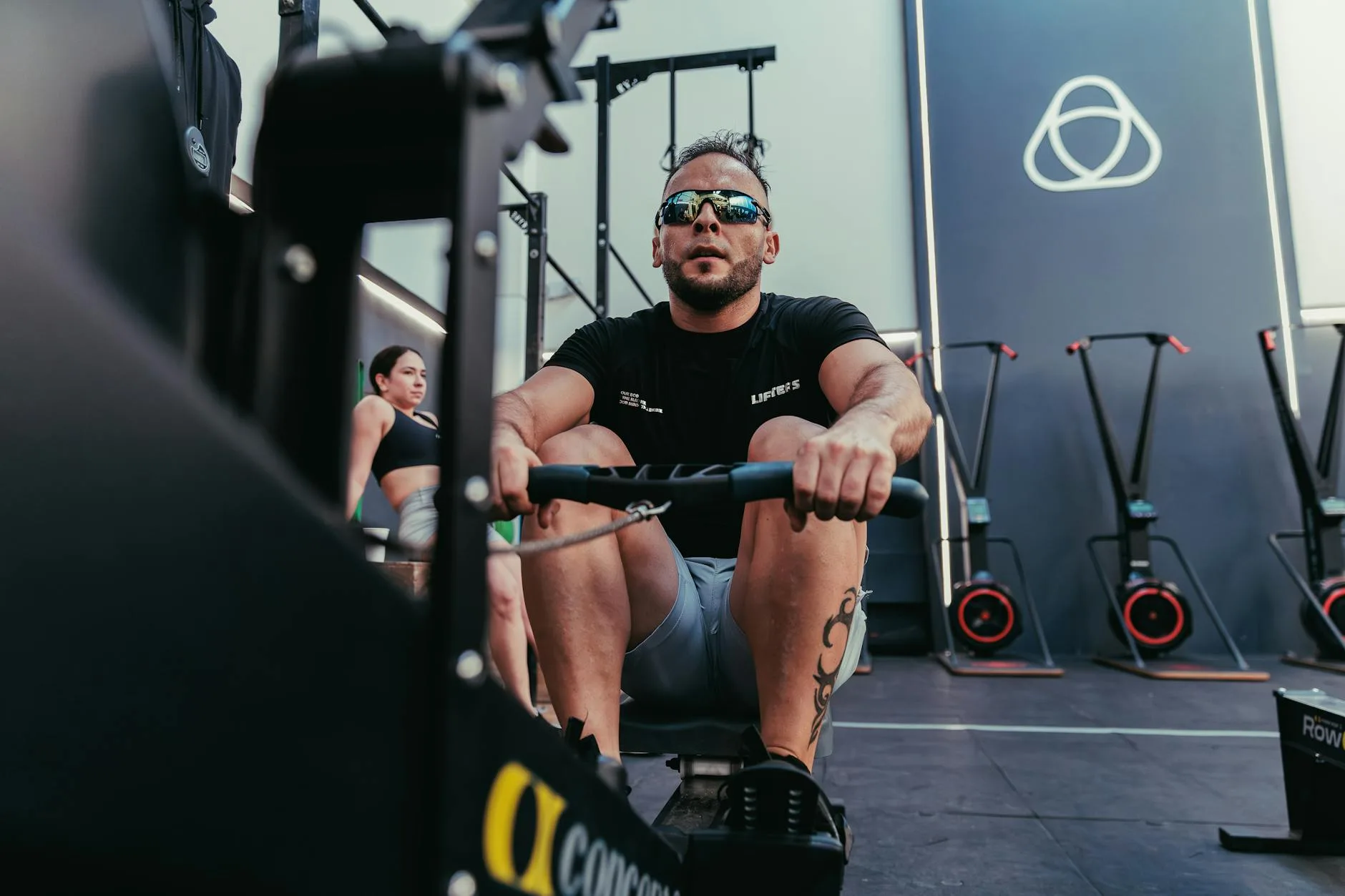
The Concept2 RowErg is the best overall rowing machine here because it pairs responsive air resistance with the PM5 monitor and a design that is easy to move and split for storage. The standard-leg model has a 35.5cm seat height, adjustable footrests, an ergonomic handle and a nickel-plated chain. Its published workout-space recommendation is 274 × 122cm, so it needs more clear floor than a compact magnetic model.
The PM5 is the main reason serious indoor rowers keep returning to this machine. It records pace, distance, stroke rate and comparable workout data without requiring a subscription. Resistance rises with effort; the flywheel damper changes airflow and stroke feel rather than acting like a simple difficulty dial. The 227kg published capacity is unusually generous.
- Buy it if: you want the strongest all-round training platform and reliable workout data.
- Skip it if: you need a quiet machine for thin-walled evening sessions.
- Main compromise: excellent training feedback, but a long footprint and noticeable fan noise.
2. MERACH Foldable Wood Water Rower — Best folding water rower

The MERACH wooden model is the best water rower for homes where appearance and storage matter. Its tank produces resistance that rises as stroke speed increases, while the solid-wood frame and 180kg published capacity give it a more furniture-like presence than a basic steel magnetic machine. The 180-degree folding design and transport wheels are useful, but the folded machine still needs a stable, permitted storage position.
The monitor covers time, distance and estimated calories, with Bluetooth for compatible app use. Treat app figures as training estimates rather than clinical measurements. Water level changes the baseline feel; effort still determines much of the resistance. Follow the manufacturer’s tank-care instructions and inspect the seals before moving or storing it.
- Buy it if: you want water resistance, a wooden frame and folding storage.
- Skip it if: you want the most detailed performance monitor or the quietest mechanism.
- Main compromise: attractive variable resistance, but tank care and a heavier frame.
3. MERACH Q1S Magnetic Rower — Best quiet magnetic rower

The MERACH Q1S is the best quiet magnetic option in this group. It uses 16 resistance levels, dual slide rails and a published 158kg user limit. Magnetic resistance makes it easier to set a repeatable load for steady sessions, and the absence of a fan or water tank reduces mechanical noise. The free MERACH app and stated Kinomap compatibility add guided-session options without making the rower unusable when a screen is absent.
The dual-rail arrangement changes the under-seat layout, so check rail width, seat travel and your proposed floor space rather than assuming it is compact. Magnetic levels do not reproduce the effort-linked response of air or water: the selected setting provides the baseline load, while pace changes the work rate.
- Buy it if: you need lower-noise home cardio and simple resistance control.
- Skip it if: you train specifically for rowing performance and want established comparable data.
- Main compromise: quiet and approachable, but less sport-specific than the Concept2.
4. PASYOU PR70 Air Rower — Best air alternative

The PASYOU PR70 is the air alternative for buyers who want effort-responsive resistance but do not need the Concept2 ecosystem. It has ten airflow settings, a published 159kg capacity, Bluetooth FTMS support and a 125.7cm rail. The frame separates into two pieces, while the listing gives a stored size of 106 × 66 × 138cm. Measure that volume; “foldable” does not mean it disappears into a cupboard.
Its monitor lists time, 500m pace, strokes, distance and other workout fields. Those features are useful for pacing, but the listing’s accuracy language is not a substitute for independent validation. Air resistance still produces fan noise, and a lower purchase cost does not guarantee equal parts support or long-term serviceability.
- Buy it if: you want air resistance and Bluetooth at a lower tier than Concept2.
- Skip it if: you need very quiet operation or the smallest stored footprint.
- Main compromise: useful features and capacity, with a less established training ecosystem.
5. Dripex Wooden Water Rower — Best-value wooden water rower

The Dripex wooden model is the value-focused water choice. It combines a 14-litre tank, 12-blade impeller, rubberwood construction and a published 150kg limit. The 125cm dual rail and 33 × 26cm padded seat give useful fit clues, while the rail folds vertically and four wheels help reposition it. It is still a substantial machine, so confirm ceiling clearance and folded stability.
Bluetooth and the device holder support app-led sessions, but the core appeal is the water mechanism: a smooth stroke and resistance that builds with speed. Water rowers need more ownership care than sealed magnetic units. Use only the specified water treatment, never overfill the tank and follow the stated rules for upright storage.
- Buy it if: you want a wooden water rower without moving to premium specialist pricing.
- Skip it if: you want minimal maintenance or detailed built-in training data.
- Main compromise: good water-rower value, but more care than magnetic resistance.
6. Dripex Magnetic Rower — Best budget magnetic rower

The Dripex magnetic rower is the budget magnetic recommendation. It offers 16 resistance levels, dual rails, Bluetooth, an LCD and a published 130kg limit. The listing states suitability for users up to 2m tall, but inseam and available seat travel matter more than total height, so tall buyers should confirm the usable rail measurement before ordering.
This is the sensible type for shared rooms, flats and early sessions because magnetic resistance is generally quieter than a fan or water tank. Budget monitors usually prioritise time, count, distance and estimated calories rather than rowing-grade pace analysis. Buy it for accessible home cardio, not as a direct substitute for the Concept2’s monitor and training standard.
- Buy it if: you want a lower-cost, quieter rower with adjustable magnetic load.
- Skip it if: you need race-oriented metrics or maximum published capacity.
- Main compromise: strong feature list for the category, but basic performance feedback.
How to Choose a Rowing Machine
Choose for the workout, not the screen
A large display can make a weak mechanical design look impressive. Start with resistance type, rail length, published user limit and a stable foot position. Then decide which metrics matter. Time, stroke rate, distance and pace support most training plans; entertainment features are secondary. Our complete home rowing-machine guide covers the broader room and budget decision.
Check body fit
Maximum user weight is only one fit measure. Tall users need enough seat travel to reach the catch without striking a stop, while shorter users need secure heel placement and straps that tighten correctly. A low seat can be awkward for limited hip or knee mobility. Check the handle path, footplate spacing and whether the monitor arm blocks the knees.
Plan for noise and neighbours
Air machines create the most obvious fan sound and become louder as effort rises. Water tanks add a swishing sound. Magnetic models are usually quieter, although seat rollers, straps and frame movement still make noise. A mat can protect the floor and reduce transmitted vibration; it cannot silence a loose rail or unstable base.
Air, Water or Magnetic Resistance?
Air for training response
Air resistance increases with stroke power, which makes it intuitive for intervals and pace work. On the Concept2, the damper changes how much air reaches the flywheel and alters the feel of the stroke; it is not a one-to-ten difficulty scale. The trade-off is fan noise and a long operating footprint.
Water for feel and appearance
Water rowers also respond to stroke speed. Many buyers prefer the sound and wooden frames, but tanks require care and add weight. Water level changes the baseline feel, while technique and stroke power remain central. Check treatment instructions, seals and the permitted storage orientation before choosing a folding water rower.
Magnetic for controlled, quieter sessions
Magnetic rowers let you select a repeatable resistance level and are generally the easiest type to use near other people. They work well for steady cardio, warm-ups and general fitness. The feel can be less closely tied to stroke speed than air or water, so buyers training for indoor-rowing benchmarks usually prefer a machine with established pace data.
Space, Storage and Setup
Measure the working area with the machine fully deployed. Leave room to sit down, move the handle through the complete stroke and step away safely. A rower can be narrow yet dominate a small room because of its length. Folding claims need equal scrutiny: record the folded height, width and depth, then check doorways and ceiling clearance.
- Separating frame: Concept2 splits into two pieces without folding the rail.
- Folding rail or frame: useful for Dripex and MERACH models, but the stored unit remains heavy.
- Transport wheels: reduce lifting, provided the route is level and clear.
- Upright storage: use only when the manual permits it and the machine is stable.
Assemble on a level floor, tighten fixings in the specified sequence and recheck them after the first sessions. Do not improvise with a water tank, chain or resistance housing. If the machine rocks, catches or produces a new grinding sound, stop and inspect it rather than training through the problem.
Technique, Training and Safety
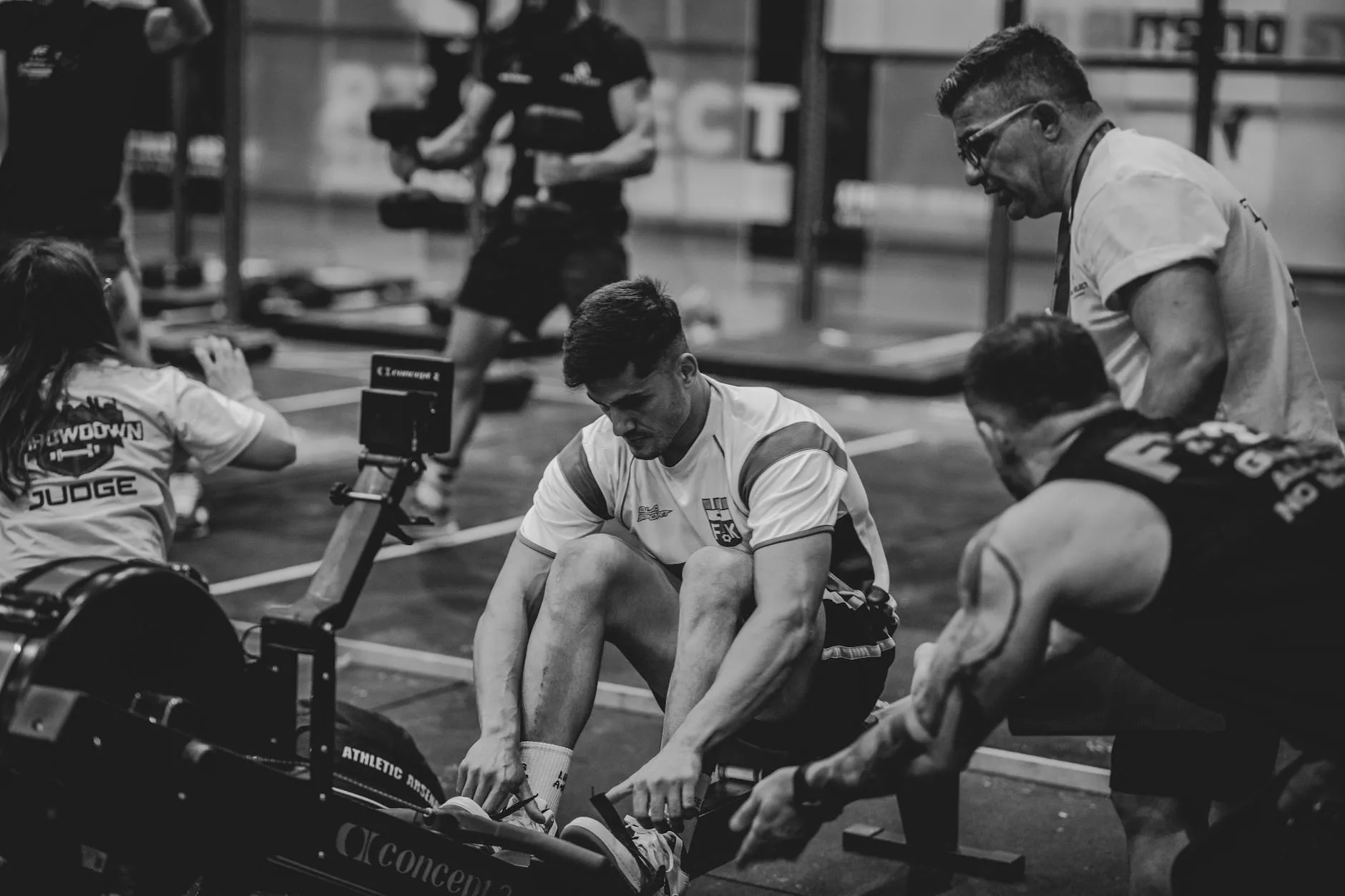
Resistance cannot fix poor sequencing. Drive with the legs first, then open the hips and finish with the arms; reverse that order during recovery. Keep the handle path controlled and avoid turning every session into a maximal sprint. The rowing-technique guide breaks the stroke into manageable stages.
Beginners can start with short, easy intervals and enough recovery to keep form stable. Increase duration before chasing harder resistance. The machine should sit on a sound, level surface with clear space around moving parts. British Rowing provides wider information on rowing participation; anyone managing pain, cardiovascular concerns or a medical condition should seek individual professional advice before changing training.
Rowing works well inside a mixed home-gym plan. Compare it with an exercise bike when seated comfort and movement pattern are the main questions, or use the home-gym planning guide before committing most of the room to one machine. Connected-training buyers should also compare the separate smart rowing-machine guide.
Which Rowing Machine Should You Buy?
Choose the Concept2 RowErg for the best overall mix of resistance response, monitor quality, published capacity and training value. Buy the MERACH Q1S when quieter magnetic operation is the priority, or the MERACH wooden rower when water feel, appearance and folding storage lead.
The PASYOU PR70 is the alternative air machine for buyers who want FTMS connectivity without centring the decision on Concept2. The Dripex wooden rower covers lower-cost water resistance, while the Dripex magnetic model is the sensible budget route for quieter general cardio. Measure first. A good rower that cannot operate or store safely in the room is the wrong machine.
Frequently Asked Questions
What is the best rowing machine in the UK? The Concept2 RowErg is the best overall choice for structured training, comparable data and a high published user capacity. Choose a quieter magnetic model if fan noise or price matters more than sport-specific feedback.
Is air, water or magnetic resistance best? Air is best for responsive training and pace work, water gives a smooth effort-linked feel and a furniture-style option, while magnetic resistance is usually quieter and easier to set at a repeatable level. The right answer depends on noise, training and storage.
How much room does a rowing machine need? Allow for the complete working length plus safe access at the sides and rear. The Concept2 recommends a 274 × 122cm workout area. Measure both the operating footprint and the stored dimensions of any folding model.
Can a rowing machine be stored upright? Only if the manufacturer permits that exact storage method. Some machines fold, some separate and some can be moved upright after draining or securing parts. Follow the manual because an unsupported tank or unstable frame can be damaged.
Are rowing machines suitable for beginners? Yes, provided resistance is manageable and technique comes before intensity. Start with short sessions, keep the stroke controlled and stop if pain, dizziness or unusual breathlessness occurs.
Do I need an app or subscription? No. A clear monitor with time, stroke rate, distance and pace is enough for structured sessions. Apps can add programmes and logging, but check compatibility and ongoing terms before making them central to the purchase.