You’ve just committed to getting fitter — maybe it’s a Couch to 5K plan, maybe you want to finally understand why your gym buddy won’t shut up about VO2 max — and now you’re staring at a wall of fitness trackers in Currys wondering what half these numbers mean. Heart rate zones. SpO2 monitoring. Sleep scores. GPS accuracy. The price tags range from £25 to £400, and they all claim to be the one you need.
Here’s the thing: the right fitness tracker depends entirely on what you’re actually trying to do. A casual walker doesn’t need the same device as someone training for a triathlon, and spending £350 on a Garmin Forerunner when you just want a step counter is like buying a Range Rover for the school run. So before you hand over your card, let’s work out what you actually need — and which tracker delivers it without emptying your wallet.
Start With Your Goal, Not the Gadget
This sounds obvious, but most people do it backwards. They browse Amazon UK reviews, get dazzled by a feature list, and end up with a tracker that does 47 things when they only needed three.
Ask yourself one question: what do I want this tracker to help me do?
Your answer probably falls into one of these categories:
- General fitness and step counting — you want to move more, hit a daily target, and keep an eye on your activity levels
- Weight loss — you want calorie tracking, heart rate data, and a nudge when you’ve been sat on the sofa too long
- Running or cardio training — you need GPS tracking, pace data, and heart rate zone monitoring to train smarter
- Strength training — you want rep counting, workout logging, and recovery metrics
- Sleep improvement — you’re after detailed sleep stage tracking and actionable insights
- Overall health monitoring — stress tracking, blood oxygen, ECG, or menstrual cycle tracking
Once you know your primary goal, you can immediately rule out half the options. That’s the point — narrowing down, not adding up.
The Features That Actually Matter
Every tracker on the market lists about 30 features. Most of them you’ll never open. Here’s what’s worth paying attention to, broken down by what genuinely makes a difference to your results.
Heart Rate Monitoring
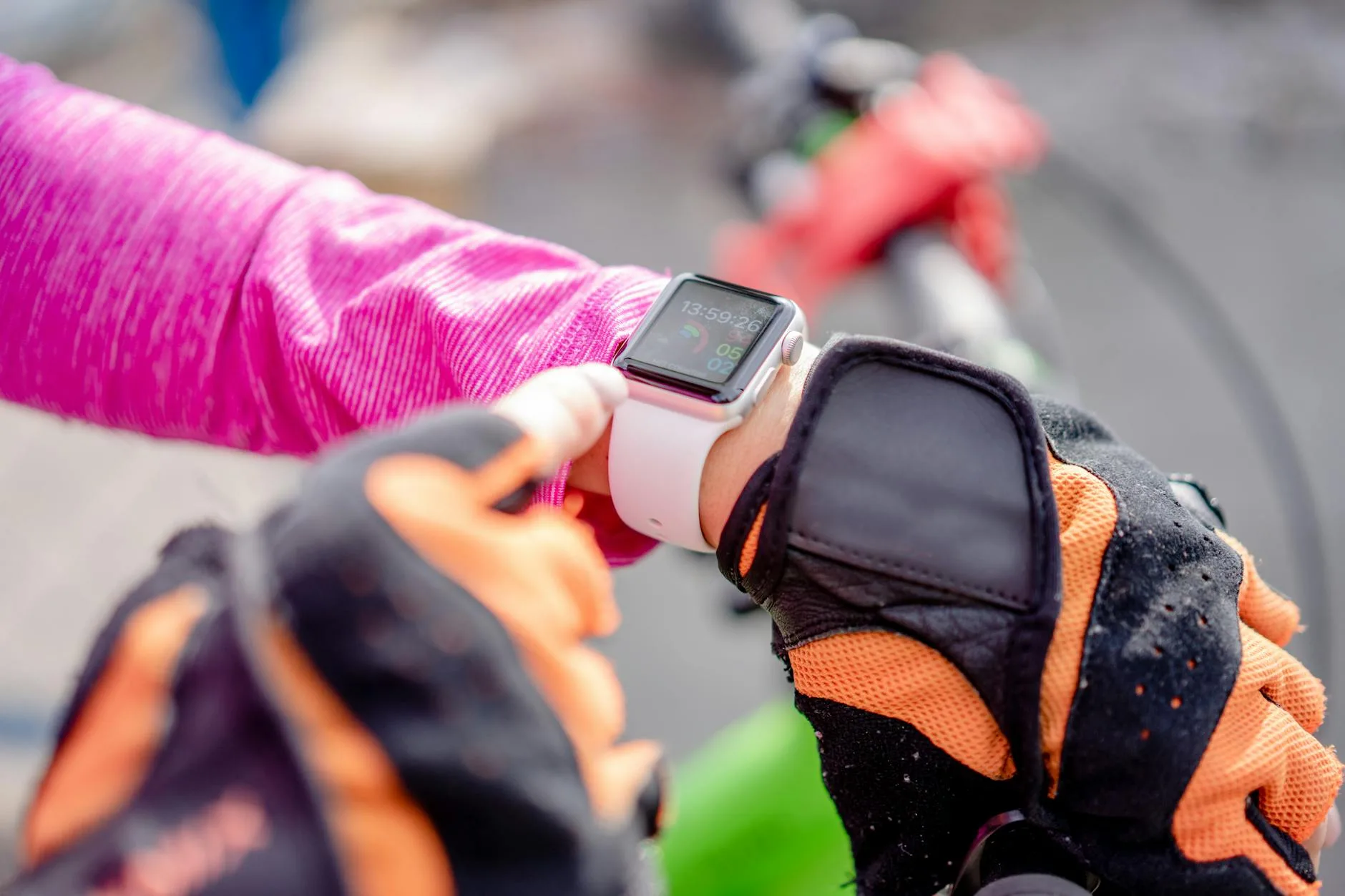
Every tracker above £30 now includes optical heart rate monitoring. The accuracy varies though — wrist-based sensors struggle during high-intensity intervals and weightlifting because your wrist moves so much. For steady-state cardio like running or cycling, most modern trackers are accurate enough.
If you’re serious about heart rate training, look for trackers that support chest strap pairing via Bluetooth. Garmin and Polar do this well. The chest strap feeds data to your watch in real time, and it’s noticeably more reliable during HIIT or CrossFit sessions. A decent chest strap like the Polar H10 costs about £65-80 from Amazon UK.
GPS Tracking
Built-in GPS is non-negotiable if you run, cycle, or walk outdoors and want accurate distance and pace data. Without it, the tracker estimates distance from your step length — which is fine for daily totals but useless for training.
Budget trackers under £60 usually rely on “connected GPS,” which means they piggyback off your phone’s GPS. That works, but you have to carry your phone. If you want to leave the phone at home, you’ll need a tracker with its own GPS chip — expect to spend £100 or more.
Multi-band GPS (found on premium devices like the Garmin Forerunner 265 or Apple Watch Ultra 2) is more accurate in cities and wooded areas where buildings and trees mess with signals. If you run in central London or through dense woodland, it’s worth having. For suburban routes and parks, standard GPS is perfectly fine.
Sleep Tracking
Most trackers now offer sleep tracking, but the quality varies enormously. Basic models tell you how long you slept. Better ones break it into light, deep, and REM stages. The best — Fitbit, Oura, and Garmin — give you a daily readiness or sleep score and actually tell you what to do about a bad night.
If sleep is your primary concern, Fitbit still leads here. The Fitbit Charge 6 (about £120-140 from Argos or Amazon UK) gives detailed sleep stages, a sleep score, and a sleep profile that categorises your patterns over time. I’ve worn one through a month of terrible sleep and the consistency of the data helped me spot that my Thursday night football was wrecking my Friday recovery — something I wouldn’t have noticed without the trend graphs.
Battery Life
This is where the field splits sharply. Smartwatches like the Apple Watch Series 10 last about 18 hours — you’re charging it every night. A Garmin Venu 3 lasts roughly 5 days. A Fitbit Inspire 3 goes for about 10 days. And a Garmin Instinct 2 can push past two weeks.
Think about how this fits your life. If you want sleep tracking, a watch that dies overnight is useless. If you travel frequently, charging every night is a hassle. There’s no right answer, just the one that matches your routine.
Water Resistance
Most fitness trackers are rated to at least 5 ATM (50 metres), which covers swimming, showers, and rain. If you’re a pool swimmer, check that the tracker has a dedicated swim mode — it should count laps and detect stroke type. The Garmin Swim 2 (about £150) and Apple Watch are both solid for pool use. For open water, you’ll want GPS that works in swim mode, which narrows the field to Garmin, Apple, and COROS.
Matching Trackers to Your Goals
Now the practical bit. Based on what you told yourself earlier about your goals, here’s where your money should go.
For General Fitness and Step Counting
You don’t need to spend much. The Xiaomi Smart Band 9 (about £30-35 from Amazon UK) is the best budget option by a wide margin. It tracks steps, heart rate, sleep, and has over 150 workout modes. The screen is bright, the battery lasts around 21 days, and it does 90% of what trackers costing four times as much can do.
If you want something a bit more polished, the Fitbit Inspire 3 (about £70-80) adds better sleep tracking and a more intuitive app. The Fitbit app is still the easiest to understand for people who aren’t fitness nerds — it presents your data in plain language rather than graphs and acronyms.
For Running and Cardio
This is where it’s worth spending more. A GPS watch transforms your training because you can track pace, elevation, route, and heart rate zones — and then plan sessions based on real data rather than guesswork.
The Garmin Forerunner 165 (about £220-250 from John Lewis or Amazon UK) is the sweet spot. It has built-in GPS, heart rate zones, training load analysis, and suggested workouts based on your fitness level. The AMOLED screen is gorgeous, and battery life sits at about 11 days in smartwatch mode. For related guidance, see our How to Sync Your Fitness Tracker with Multiple Devices guide.
If you’re training for a marathon or want advanced metrics like VO2 max estimates and recovery time, step up to the Garmin Forerunner 265 (about £350-400). It’s the tracker I’d recommend to anyone who runs three or more times a week. The training readiness score alone has stopped me from pushing through sessions I should have skipped.
For Apple users, the Apple Watch Series 10 (from about £400) does running metrics well, though battery life remains its weak spot. The integration with Apple Health and the sheer number of third-party running apps (Strava, Nike Run Club, WorkOutDoors) make it a strong choice if you’re already in the Apple ecosystem.
For Weight Loss
Calorie burn estimates on all fitness trackers are approximate — research from Stanford University and similar studies consistently show they’re off by 15-25%. Accept that now and you’ll avoid frustration later. What trackers are good at is showing trends: are you moving more this week than last? Are your active minutes increasing?
The Fitbit Charge 6 (about £120-140) is the best option here. It has Google integration for food logging, Active Zone Minutes that buzz your wrist when your heart rate hits fat-burning or cardio zones, and a daily readiness score. The app makes it easy to see whether your overall activity is trending in the right direction, which matters more than any single day’s calorie count.
For Strength and Gym Work
Most trackers aren’t brilliant at strength training. Rep counting is hit-and-miss, and calorie estimates during lifting are basically guesswork. The Apple Watch handles it best, mainly because third-party apps like Strong and Gymaholic let you log sets and reps manually while tracking heart rate.
The Garmin Venu 3 (about £400-430 from Currys or John Lewis) is the other strong option. It has preloaded strength workouts with animated instructions, tracks muscle groups worked, and gives recovery advice. It’s a proper smartwatch too — music storage, Garmin Pay, and a bright AMOLED screen.
If you’re building a home gym on a budget, pairing a mid-range tracker with a decent set of adjustable dumbbells covers most people’s needs without a gym membership.
For Sleep
As mentioned above, Fitbit owns this category. The Charge 6 or Sense 2 (about £230-260) give the most detailed sleep data of any wrist-worn device. The Sense 2 adds an EDA sensor for stress tracking and an ECG app, which is useful if you suspect anxiety is affecting your sleep.
The Oura Ring (about £300 plus a monthly subscription) is worth mentioning for people who hate wearing a watch to bed. It’s a titanium ring that tracks sleep, heart rate, and temperature. The data is exceptional — arguably better than any watch — but the subscription model (£6/month after the first month free) puts some people off.
What About Smartwatches vs Dedicated Trackers?
A smartwatch (Apple Watch, Samsung Galaxy Watch, Garmin Venu) does everything a fitness tracker does plus notifications, apps, calls, and payments. A dedicated tracker (Fitbit Charge, Xiaomi Band, Garmin Vivosmart) focuses on fitness and health with fewer distractions and longer battery life.
The trade-off is simple:
- Choose a smartwatch if you want notifications, apps, and music on your wrist — and you don’t mind charging every 1-5 days
- Choose a dedicated tracker if you want fitness data, long battery life, and something lightweight enough to forget you’re wearing it
Most people under 40 end up wanting a smartwatch. Most people over 40 who’ve tried both end up preferring a dedicated tracker. That’s a generalisation, obviously, but it tracks with what UK buyers actually keep using after the novelty wears off.
The Comfort Factor Nobody Talks About
You’re going to wear this thing every day, possibly to bed. If it’s uncomfortable, you’ll stop wearing it within a fortnight — and a tracker in a drawer isn’t tracking anything.
Before you buy, check:
- Weight — anything over 50g starts feeling heavy during sleep. The Xiaomi Band 9 weighs 16g. The Apple Watch Ultra 2 weighs 61g. That’s a big difference at 2am.
- Band material — silicone is the default and works for most people. If you get skin irritation, look for trackers with fabric or leather band options. Fitbit and Garmin both sell alternative bands.
- Screen size — bigger screens are easier to read but make the watch bulkier. Try one on in Currys or Argos before buying if you can.
- Clasp type — the Xiaomi Band’s clip-in clasp occasionally pops open during vigorous exercise. The Fitbit Charge’s buckle clasp stays put. Small thing, but annoying when your tracker flies off mid-burpee.
How Much Should You Spend?
The UK fitness tracker market breaks down into three tiers, and each serves a different person:
- Budget (£25-80) — Xiaomi Smart Band 9, Fitbit Inspire 3, Amazfit Band 7. Perfect for step counting, basic heart rate, and sleep tracking. If you’re new to fitness tracking or just want a gentle nudge to move more, start here. Don’t spend more until you know you’ll use it.
- Mid-range (£100-250) — Fitbit Charge 6, Garmin Forerunner 165, Samsung Galaxy Fit 3. The sweet spot for most active people. You get GPS, detailed health metrics, and solid build quality without the premium price.
- Premium (£250-450) — Garmin Forerunner 265, Apple Watch Series 10, Garmin Venu 3. For dedicated athletes, people with specific health concerns, or anyone who wants a smartwatch that doubles as a fitness tool. Only spend this much if you know you’ll use the advanced features.
When you’re choosing home gym equipment, the same logic applies to trackers: buy for where you are now, not where you hope to be in six months. You can always upgrade later.
Before You Buy — The Quick Checklist
Run through these before hitting “Add to Basket”:
- Does it track your primary goal well? A running watch needs GPS. A sleep tracker needs multi-day battery. Match the strength to the need.
- Is it comfortable enough to wear all day (and night)? Check the weight, band material, and clasp. Try it on if you can.
- Does the app work with your phone? Most trackers work with both iOS and Android now, but check. The Fitbit app, Garmin Connect, and Apple Health all have different strengths.
- What’s the battery life like in real use? Manufacturer claims are always optimistic. Check user reviews on Amazon UK for real-world numbers — they’re typically 20-30% less than advertised.
- Can you afford the ongoing costs? Some trackers have subscription features (Fitbit Premium at about £8/month, Oura at £6/month). The core tracking works without them, but the premium insights are often where the real value sits.
The Bottom Line
The best fitness tracker is the one you’ll actually wear. That sounds like a cop-out, but after seeing friends cycle through expensive watches they stopped using because the battery died every night or the strap gave them a rash, it’s the most honest advice going.
If you’re just starting out, grab a Xiaomi Smart Band 9 for £30 and see if you like having data on your wrist. If you’re a runner, the Garmin Forerunner 165 is the best value in the UK market right now. If you want the full smartwatch experience and you’ve got an iPhone, the Apple Watch Series 10 is hard to beat — just accept the daily charge.
Pick the one that fits your goal, your wrist, and your budget. Everything else is just marketing.
Frequently Asked Questions
What weights should I buy first for a home gym? Adjustable dumbbells or a pair of moderate kettlebells are the most versatile first buy. Add a bench, barbell or rack once you know which lifts you actually use.
Can you build muscle with home gym equipment? Yes. Progressive overload matters more than the room you train in. If you can add reps, sets, load or range of motion over time, you can build muscle at home.
How much should I budget for strength equipment? A useful starter setup costs £300-700. Prioritise durable adjustable weights, a stable bench and safe flooring before buying specialist accessories.
What should I check first with How to Choose a Fitness Tracker for Your Goals? Start with the real use case, then check size, compatibility, running costs and maintenance. A product that looks good on paper can still be the wrong fit if it does not suit the room, routine or budget.
How do I avoid wasting money on How to Choose a Fitness Tracker for Your Goals? Avoid buying on one headline feature alone. Compare the practical details, read the warranty or returns terms, and choose the option that solves your main problem rather than the one with the longest specification list.