You unroll a cheap yoga mat from Amazon, step into downward dog, and your hands slide forward like you’re on an ice rink. Or you’re doing a kneeling lunge and your kneecap feels every bump in the floorboard through 3mm of foam. The right yoga mat changes the entire experience — grip, cushioning, and durability are wildly different across materials and price points. Here’s how to pick one that suits what you actually do. For related guidance, see our How to Choose a Rowing Machine for Home guide. For related guidance, see our How to Choose the Right Yoga & Recovery guide. For related guidance, see our Yoga for Beginners: Essential Poses for Flexibility guide.
In This Article
- The Quick Answer
- Thickness: How Much Cushioning Do You Need?
- Material Types Compared
- Grip: The Most Underrated Factor
- Size and Weight
- Best Yoga Mats by Use Case
- How to Test a Yoga Mat Before Buying
- Caring for Your Yoga Mat
- When to Replace Your Mat
- Frequently Asked Questions
The Quick Answer
For most people doing general yoga (vinyasa, hatha, beginner classes), a 5mm TPE or natural rubber mat costing £30-60 is the sweet spot. It gives enough cushioning for kneeling poses, enough grip for standing balances, and lasts 2-4 years of regular use.
If you do hot yoga or sweat heavily, get a natural rubber mat with a microfibre or polyurethane top layer — grip improves when wet rather than degrading.
If you primarily do yin yoga, restorative, or meditation, go thicker — 6-8mm — because you’re holding still positions for minutes and joint comfort matters more than balance.
If you travel, a 1.5-2mm travel mat (about £20-30) folds flat in a suitcase and goes over hotel carpet or gym mats.
Thickness: How Much Cushioning Do You Need?
The Thickness Spectrum
- 1-2mm (travel mats): Ultra-thin, fold or roll tiny. No real cushioning — meant to go over existing surfaces. For travel only
- 3-4mm (standard thin): Good ground connection for balance poses. Fine if you’re on carpet or a sprung studio floor. Hard on knees on concrete or hardwood
- 5mm (sweet spot): Enough cushioning for kneeling and lying poses, thin enough for stable standing balances. This is what most yoga teachers recommend
- 6mm (thick): More cushioning for sensitive joints. Slightly less stable for single-leg balances because your foot sinks in marginally more
- 8mm+ (extra thick): Pilates and restorative work. Too thick for standing balance yoga — your foot sinks into the foam and wobbles
Which Thickness for Your Practice
- Vinyasa/flow: 4-5mm — you need stability for warrior poses and transitions
- Hatha (general): 5mm — the all-rounder
- Yin/restorative: 6-8mm — joint comfort during long holds
- Ashtanga: 3-4mm — thin and grippy for the sweaty, dynamic practice
- Hot yoga: 4-5mm — grip matters more than thickness here
- Pilates: 6-8mm — exercises involve a lot of spine-on-floor work where cushioning matters
We started on a 3mm mat on a wooden floor and switched to 5mm after two weeks. The difference for kneeling poses was immediate — no more folding the mat over double under our knees.
Material Types Compared
PVC (Polyvinyl Chloride)
The cheapest and most common material. Those £10-20 mats from Argos or Sports Direct are PVC.
- Pros: Cheap, widely available, decent grip when new, easy to clean
- Cons: Contains plasticisers, not biodegradable, grip degrades over time, develops a chemical smell when new. Becomes slippery with sweat
- Lifespan: 6-18 months with regular use
- Best for: Trying yoga for the first time without committing to a £50+ mat
TPE (Thermoplastic Elastomer)
A mid-range synthetic material that’s lighter and more eco-friendly than PVC.
- Pros: Lightweight (typically 1-1.5kg for a 5mm mat), good grip, no chemical smell, recyclable, closed-cell structure resists moisture absorption
- Cons: Less durable than natural rubber, grip diminishes when very wet, can tear if snagged
- Lifespan: 2-4 years with regular use
- Best for: General yoga practice, home use, anyone upgrading from a PVC mat. The sweet spot of price and performance
Natural Rubber
The premium standard for serious practitioners. Made from tree-harvested latex.
- Pros: Excellent grip (improves when slightly damp), heavy enough to stay flat without curling, very durable, biodegradable, dense cushioning that doesn’t compress under body weight
- Cons: Heavy (2-3kg for a standard mat), rubber smell when new (fades in 1-2 weeks), not suitable for latex allergy sufferers, absorbs moisture if not sealed on top
- Lifespan: 5-10 years with regular use
- Best for: Regular practitioners, hot yoga (with microfibre top), anyone willing to invest in a long-term mat
Cork
Cork top layer bonded to a natural rubber base.
- Pros: Antimicrobial naturally, grip improves markedly when wet, pleasant tactile feel, sustainable material
- Cons: Expensive (£60-100+), heavy, the cork surface can flake after 2-3 years, grip is actually poor when bone-dry (it needs moisture to activate)
- Lifespan: 3-5 years
- Best for: Hot yoga and sweaty practices — this is where cork excels
Cotton/Jute
Traditional Indian yoga mats. A woven fabric rather than foam.
- Pros: Natural materials, good for meditation and gentle practice, machine washable, thin and lightweight
- Cons: Minimal cushioning, no grip assistance, absorbs sweat and needs frequent washing, not suitable for dynamic practice
- Lifespan: 2-3 years
- Best for: Meditation, restorative yoga, traditionalists who prefer natural fibres
Grip: The Most Underrated Factor
Why Grip Matters
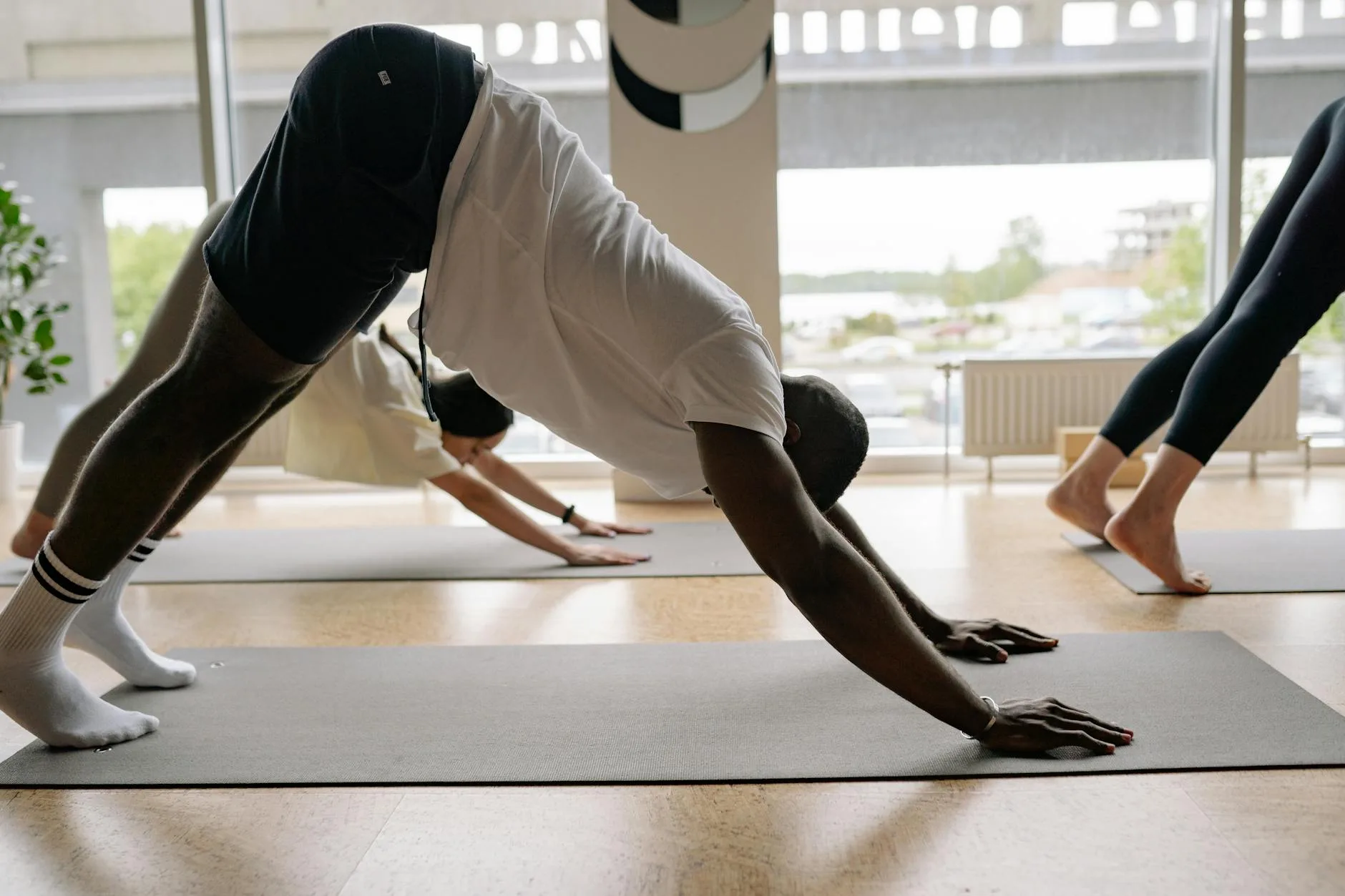
In downward dog, your hands bear roughly 40% of your body weight on a surface angled at 45 degrees. Without grip, you’re fighting physics — your hands slide forward, your shoulders overwork to compensate, and the pose becomes about survival rather than stretching.
Dry Grip vs Wet Grip
This distinction matters more than overall “grip rating”:
- Dry grip: how the mat performs when you and the mat are both dry. PVC and TPE do well here. Natural rubber is good. Cork is mediocre when dry
- Wet grip: how the mat performs when you’re sweating. PVC becomes a slip hazard. TPE degrades but stays usable. Natural rubber improves slightly. Cork becomes extremely grippy — it’s designed for this
If you sweat during practice (even mildly), wet grip is the more important metric. After six months of using a PVC mat that became a slide by the 30-minute mark, switching to natural rubber with a textured top was transformative. No more micro-adjustments, no more towels over the mat.
Texture
Surface texture affects grip independently of material:
- Smooth — looks clean, relies entirely on material friction. Fine for dry practices
- Textured/ridged — channels sweat away from contact points, maintains grip longer. Better for flow and hot yoga
- Alignment lines — embossed guide lines for hand and foot placement. Useful for beginners learning consistent positioning
Size and Weight
Standard Sizes
- Standard: 183cm × 61cm (6ft × 2ft) — fits most people up to about 5’10”
- Long: 183cm × 68cm or 200cm × 68cm — for taller practitioners or anyone who wants extra room
- Wide: 183cm × 80cm — for larger body types or practices that involve wide stances
Weight Considerations
- Under 1kg: Travel mats — ultra-portable but minimal cushioning
- 1-1.5kg: TPE mats — easy to carry to class
- 1.5-2.5kg: Mid-range rubber/TPE — fine for home use, manageable for studio
- 2.5-3.5kg: Premium natural rubber — noticeably heavy in a bag. Best kept at home or in the car
If you walk or cycle to a studio, weight matters. If you practise at home, buy the heaviest mat that suits your practice — it’ll stay flat, won’t bunch up, and feels more luxurious.
Best Yoga Mats by Use Case
Best All-Rounder: Liforme Yoga Mat (about £80-100)
Natural rubber base with a polyurethane top. 4.2mm thick, 2.5kg. The alignment guide system is the best in the market — embossed lines that actually help you position hands and feet consistently. Grip is extraordinary, even when soaking wet. Expensive, but it’s the mat most yoga teachers own for a reason.
Best Value: Decathlon Kimjaly Light (about £20-30)
TPE, 5mm, 1.2kg. Excellent grip for the price, virtually no smell out of the box, and light enough to carry anywhere. Available in every Decathlon store and online. If you’re starting out or want a solid mat without the premium price, this is the one.
Best for Hot Yoga: Manduka eKO Superlite or Cork Mat (about £40-70)
Natural rubber base with a surface that grips harder as you sweat. The eKO range from Manduka is the go-to for hot yoga studios. Cork mats also excel here if you prefer the feel of cork under your hands.
Best Budget: Primark or Argos PVC Mat (about £8-15)
Fine for trying yoga. Decent for a month or two. Replace when the grip goes (you’ll feel it). No shame in starting here — just don’t expect it to last or perform like a £50+ mat.
Best for Travel: Manduka eKO Superlite (about £35-50)
1.5mm, 1kg, folds flat into a suitcase. Goes over hotel carpet, gym mats, or grass in the park. Not enough cushioning on its own for hard floors — it’s a grip layer, not a cushion.
For a full product comparison with ratings, see our best yoga mats 2026 buying guide.
How to Test a Yoga Mat Before Buying
If you can try before buying (Decathlon, sports shops, yoga studios):
- Downward dog test — press your hands into the mat at 45 degrees. Do they slide? Good mats hold; cheap mats slip
- Knee test — kneel on the mat. Can you feel the floor through it? If yes, it’s too thin for your surface
- Smell test — new mats sometimes smell. PVC smells chemical. Rubber smells earthy. Neither should be overwhelming. If it makes you wince, skip it
- Curl test — lay it flat. Does it stay flat or curl at the edges? Heavy mats (rubber, cork) stay flat. Light mats (PVC, thin TPE) curl and need weights for a few days
- Wet grip test — dampen your hand and press into the mat. Does it grip better or worse? This predicts performance during sweaty practice
We now keep a spray bottle nearby to test mat grip before recommending anything. It takes 10 seconds and reveals more than any spec sheet.
Caring for Your Yoga Mat
After Every Practice
Wipe down with a damp cloth. For sweatier sessions, use a yoga mat spray (or a 50/50 mix of water and white vinegar in a spray bottle). This prevents bacterial buildup and extends the mat’s grip life.
Weekly (if practising daily)
Let the mat air-dry fully, unrolled, in a ventilated space. Don’t roll it up damp — that’s how mats develop that distinctive sour smell. If it’s a nice day, hang it over a washing line for an hour.
Monthly
Wipe the entire surface with soapy water (mild washing-up liquid), rinse with a damp cloth, and air-dry completely. This removes the invisible layer of body oil that builds up and kills grip over time.
Storage
Roll with the practice surface facing outward — this reduces curling. Store in a cool, dry place away from direct sunlight. UV degrades rubber and TPE. Don’t leave your mat in a hot car — heat accelerates material breakdown.
If your mat starts feeling slippery despite cleaning, it’s degraded beyond recovery. Time for a new one.
For a broader look at recovery equipment, see our foam rolling guide — the care advice for maintaining foam rollers applies similarly.
When to Replace Your Mat
According to NHS exercise guidance, safe equipment is essential for injury prevention during physical activity. A worn yoga mat that slips is a genuine injury risk.
Signs it’s time:
- Grip loss — your hands slide in downward dog even when dry
- Compression marks — permanent dents where you stand most often. The foam has broken down
- Flaking surface — PVC mats flake as the plasticiser leaches out. Cork mats shed surface material
- Persistent smell — despite cleaning, the mat smells sour or chemical
- Thinning — the mat feels noticeably thinner than when new (common with PVC after 12-18 months)
Typical lifespans:
- PVC: 6-18 months
- TPE: 2-4 years
- Natural rubber: 5-10 years
- Cork: 3-5 years
Frequently Asked Questions
Do expensive yoga mats make a difference? Yes, primarily in grip and durability. A £20 TPE mat is a massive upgrade from a £10 PVC mat in both grip and comfort. Going from £20 to £80 gives you premium grip, longer lifespan, and better materials — but the jump is less dramatic. For beginners, a £20-30 mat is the right starting point. Invest in premium once you know you’ll stick with it.
Which yoga mat material is best for sweaty hands? Natural rubber with a polyurethane or textured top surface. Cork also works well — it activates with moisture. Avoid PVC and smooth-surface mats if you sweat. A yoga towel over any mat is a backup option, but a good mat shouldn’t need one.
Is a thicker yoga mat better? Not always. Thicker mats (6mm+) provide more joint cushioning but reduce stability for balance poses — your foot sinks in slightly. 5mm is the best compromise for most practices. Go thicker for yin, restorative, or Pilates. Go thinner for dynamic flow and ashtanga.
Can I use a yoga mat for Pilates? A yoga mat works for Pilates but a thicker mat (6-8mm) is more comfortable since Pilates involves a lot of spine-on-floor exercises (the hundred, roll-ups, leg circles). Dedicated Pilates mats are 8-15mm thick. A 5mm yoga mat on a carpeted floor works as a compromise.
How do I stop my yoga mat from sliding on hard floors? Place a thin non-slip rug pad (about £10 from Amazon) underneath the mat. This grips both the floor and the mat’s underside. Alternatively, practise on carpet or a rug — the texture stops the mat from moving. Heavy natural rubber mats slide less than lightweight PVC mats simply due to their weight.