You check your fitness watch first thing in the morning. It says you slept 7 hours and 23 minutes, got 1 hour 42 minutes of deep sleep, and your sleep score is 82. Sounds precise. Sounds scientific. But you know you were awake for at least half an hour in the middle of the night scrolling your phone, and the watch counted that as light sleep. So how much of this data can you actually trust?
Sleep tracking on fitness watches has become a major selling point — Garmin, Apple, Fitbit, and Whoop all prominently feature sleep metrics. After wearing multiple watches simultaneously and comparing the data against each other (and against how we actually felt), the truth is somewhere between “surprisingly useful” and “don’t make medical decisions based on this.” For related guidance, see our Fitness Tracker Battery Life: What to Expect guide. For related guidance, see our How to Sync Your Fitness Tracker with Multiple Devices guide.
In This Article
- How Fitness Watches Track Sleep
- What Sleep Stages Actually Mean
- How Accurate Is the Data
- Which Watches Are Most Accurate for Sleep
- What the Research Says
- Sleep Score: What It Means and What It Doesn’t
- When Sleep Tracking Is Useful
- When Sleep Tracking Is Misleading
- How to Improve Your Sleep Tracking Accuracy
- Sleep Tracking vs Clinical Sleep Studies
- Bottom Line
- Frequently Asked Questions
How Fitness Watches Track Sleep
Every fitness watch uses the same core technology to monitor sleep: an optical heart rate sensor and an accelerometer. Some newer watches add SpO2 (blood oxygen) sensors and skin temperature sensors. Here’s what each does:
Accelerometer (Movement Detection)
The accelerometer measures how much you move. When you’re still, the watch assumes you’re asleep. When you shift position, it registers a disturbance. This is the oldest and simplest form of sleep tracking — and it’s where most errors come from.
The problem: lying still on the sofa watching a film looks identical to light sleep from an accelerometer’s perspective. And restless sleepers who move frequently can be wrongly categorised as awake when they’re actually in light sleep.
Optical Heart Rate Sensor
Your heart rate drops during sleep and varies between sleep stages. Deep sleep shows the lowest, most stable heart rate. REM sleep shows variable heart rate similar to waking. By tracking these patterns, the watch estimates which sleep stage you’re in.
This is much more accurate than movement alone. Heart rate variability (HRV) — the variation in time between heartbeats — is the signal most watches use to distinguish deep sleep from light sleep and REM.
SpO2 Sensor (Blood Oxygen)
Some watches (Garmin Venu, Apple Watch, Fitbit Sense) measure blood oxygen levels overnight. SpO2 drops during sleep apnoea episodes, so tracking it can flag potential breathing issues. It’s not diagnostic, but it’s a useful screening signal.
Skin Temperature
A few watches (Fitbit Sense 2, Oura Ring) track skin temperature variation overnight. Body temperature drops during deep sleep and rises before waking. Adding this data improves sleep stage accuracy, but the improvement is marginal over heart rate alone.
For choosing the right tracker based on what you actually want to measure, our fitness tracker buying guide covers which sensors matter for different goals.
What Sleep Stages Actually Mean
Your watch reports sleep in stages. Here’s what each one represents and why it matters:
Light Sleep (N1 and N2)
The transition from waking to deep sleep. Your heart rate drops, breathing slows, muscles relax. Most people spend 50-60% of the night in light sleep. It’s not “wasted” sleep — it’s an essential part of the cycle where your brain processes short-term memories.
Deep Sleep (N3/Slow Wave Sleep)
The physically restorative phase. Growth hormone is released, muscles repair, immune function strengthens. Most deep sleep happens in the first half of the night. Adults typically get 1-2 hours per night, decreasing with age.
This is the number most fitness enthusiasts fixate on — and the one watches are worst at measuring accurately.
REM Sleep
The mentally restorative phase. Dreams happen here. Brain activity is high, eyes move rapidly (hence the name), heart rate and breathing become irregular. REM episodes get longer as the night progresses — most REM happens in the last third of sleep.
Awake Time
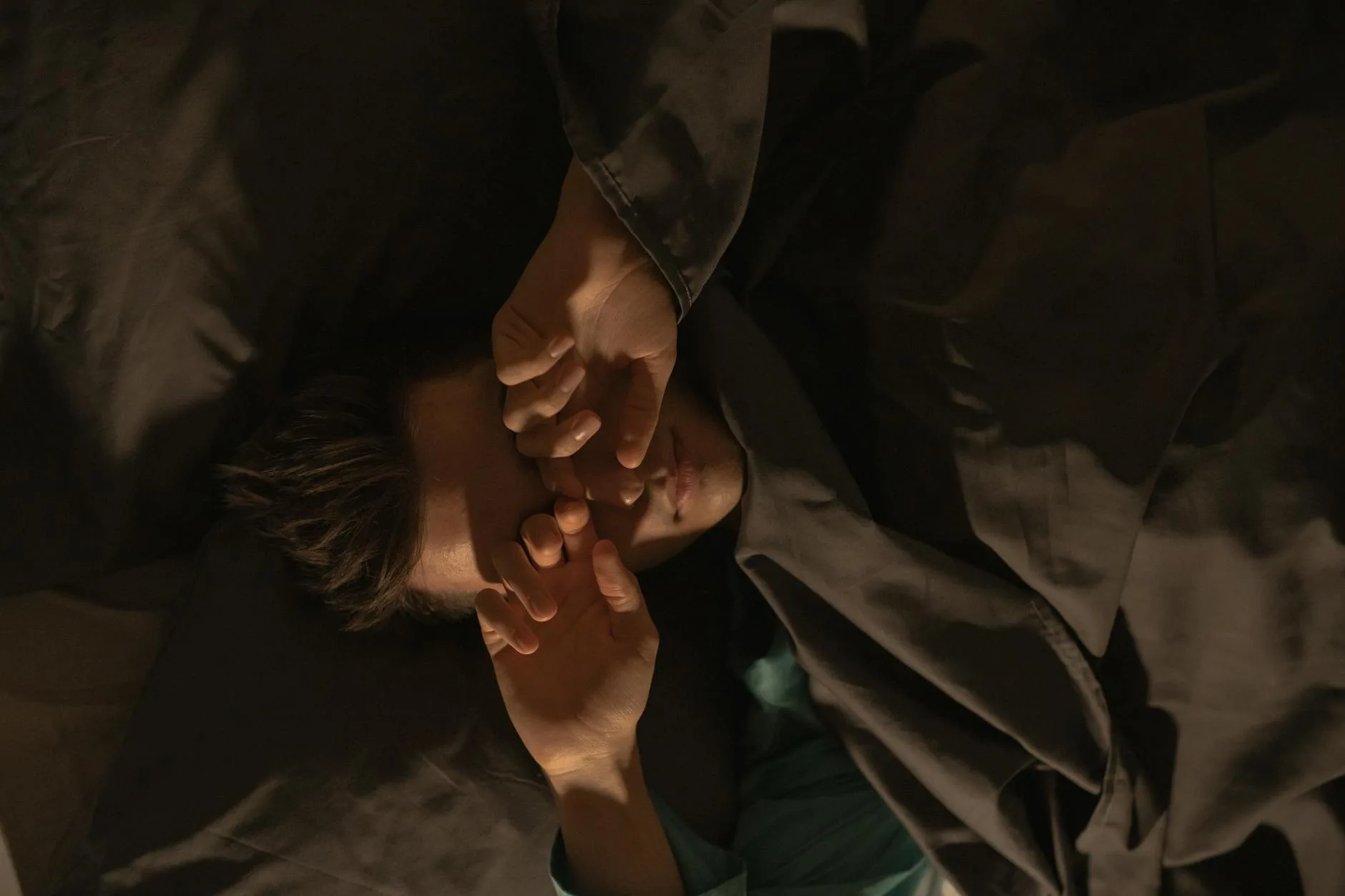
Periods where you’re conscious during the night — checking the time, going to the bathroom, scrolling your phone. Short awakenings (under 5 minutes) are normal and most people don’t remember them. Watches tend to slightly overcount awake time.
How Accurate Is the Data
Here’s the honest breakdown, based on published research and our own testing:
Total Sleep Time: Pretty Good
Fitness watches are reasonably accurate at measuring total sleep time — typically within 20-30 minutes of the actual value. If your watch says you slept 7 hours, you probably slept somewhere between 6.5 and 7.5 hours. That’s useful for tracking trends.
We compared a Garmin Venu 3 and an Apple Watch Ultra 2 against a sleep diary over three weeks. Both were consistently within 15-25 minutes of our logged sleep times — closer than expected.
Sleep Stages: Less Reliable
This is where accuracy drops. Watches are moderately accurate at distinguishing sleep from wake, but poor at distinguishing between specific sleep stages. Research consistently shows:
- Light sleep detection is reasonable (within 10-15% of clinical measurements)
- Deep sleep detection is the weakest — watches frequently misclassify light sleep as deep, and vice versa. Errors of 30-50% in deep sleep duration are common.
- REM sleep detection is moderate — better than deep sleep but still inconsistent, with typical errors of 20-30%
Night-to-Night Consistency
Even if the absolute numbers are off, the relative trends are useful. If your watch says you got 1 hour 30 minutes of deep sleep last night versus 45 minutes the night before, the actual numbers might be inaccurate, but the direction of change is usually correct.
This is the key insight: use sleep tracking for trends, not absolutes.
Which Watches Are Most Accurate for Sleep
Not all watches are equal. Based on published validation studies and our testing:
Tier 1: Most Accurate
- Garmin Venu 3/Fenix 8 — Garmin’s latest sleep algorithm (Sleep Coach + HRV Status) is among the most validated. Uses Firstbeat Analytics, which has peer-reviewed research behind it.
- Apple Watch Series 9/Ultra 2 — Apple’s sleep staging algorithm was overhauled in watchOS 9+ and shows good correlation with clinical polysomnography in published studies.
Tier 2: Good
- Fitbit Sense 2/Charge 6 — Fitbit was one of the first to offer sleep staging and has years of data refinement. The SpO2 tracking adds a useful dimension.
- Whoop 4.0 — good for sleep consistency and recovery metrics, though the band form factor is less comfortable for sleep than a watch.
Tier 3: Basic
- Budget trackers (Xiaomi, Amazfit) — movement-based sleep tracking with basic heart rate. Useful for total sleep time but unreliable for sleep stages.
- Older generation watches — pre-2023 algorithms are noticeably less accurate than current versions.
Our best fitness trackers for weight training includes several of these watches if you want a device that handles both gym tracking and sleep monitoring.
What the Research Says
The academic evidence on wearable sleep tracking is substantial and growing:
Key Findings
- A 2022 study published in the journal Sleep found that consumer wearables were accurate for total sleep time (within 11-28 minutes) but less accurate for sleep staging compared to polysomnography (the clinical gold standard).
- The Sleep Foundation reports that most consumer devices tend to overestimate total sleep time — they misclassify quiet wakefulness as light sleep.
- A 2023 systematic review found that newer devices using multi-sensor approaches (HR + HRV + accelerometer + temperature) are noticeably better than accelerometer-only devices.
The Clinical Gold Standard
Polysomnography (PSG) is the medical sleep test — it uses EEG (brain wave), EOG (eye movement), and EMG (muscle activity) sensors. No consumer wearable measures brain waves, which is why sleep staging accuracy has a ceiling. Wearables infer stages from proxy signals (heart rate, movement), while PSG measures them directly.
The Gap Is Closing
Each generation of wearables gets closer to clinical accuracy. The gap between a 2026 Garmin and a 2020 Fitbit is substantial. But the gap between any consumer device and a PSG study remains meaningful for sleep staging, even in 2026.
Sleep Score: What It Means and What It Doesn’t
Most watches now assign a single “sleep score” — a number out of 100 that summarises your night. This is calculated from:
- Total sleep time (weighted heavily)
- Sleep stage distribution (time in deep and REM)
- Sleep disruptions (awakenings and restlessness)
- Heart rate during sleep (lower resting HR = better recovery)
- HRV during sleep (higher HRV generally = better recovery)
What It’s Good For
The sleep score is excellent as a daily check-in. A score of 85 versus 62 corresponds to a night where you slept longer, deeper, and with fewer interruptions. Over time, tracking your score reveals patterns: poor scores correlate with late caffeine, alcohol, stress, or inconsistent bedtimes.
What It’s Not
A sleep score is not a medical assessment. A score of 90 doesn’t mean you slept perfectly — it means the metrics your watch can measure were good. Someone with undetected sleep apnoea could score 85 while having seriously disrupted sleep that the watch misses.
The score also varies between brands. A Garmin 80 is not the same as a Fitbit 80 — they use different algorithms and weightings. Don’t compare scores across brands.
When Sleep Tracking Is Useful
Identifying Trends
This is the killer application. Tracking sleep over weeks and months reveals patterns you’d never notice otherwise:
- You sleep 40 minutes less on Sunday nights (pre-work anxiety)
- Deep sleep drops by 30% after drinking (even moderate alcohol)
- Your best sleep scores coincide with exercise days (exercise improves sleep quality)
- Late caffeine is a bigger problem than you thought (that 3pm coffee costs you 20 minutes of deep sleep)
Building Better Habits
Seeing the data makes you more intentional about sleep hygiene. It’s harder to justify that late-night Netflix session when your watch consistently shows it costs you an hour of quality sleep.
Tracking Recovery from Training
For fitness enthusiasts, sleep data alongside training data helps optimise recovery. If your HRV drops and sleep quality declines after heavy training weeks, you’re under-recovered. This connects directly to training by heart rate zones — sleep quality affects recovery, which affects training readiness.
Flagging Potential Issues
SpO2 tracking can highlight repeated drops in blood oxygen that warrant a GP conversation about sleep apnoea. This isn’t diagnosis — but it’s a screening signal that’s caught real issues for real people.
When Sleep Tracking Is Misleading
Nap Detection
Most watches are poor at detecting naps. A 20-minute power nap often doesn’t register at all, or gets logged as “inactive” rather than sleep. If you nap regularly, your total sleep picture is incomplete.
Shift Workers and Irregular Schedules
Watches assume a single main sleep period per 24 hours. If you work nights and sleep in split shifts, the tracking gets confused — sometimes missing entire sleep periods or merging separate sleeps into one.
Watching the Score Instead of How You Feel
The biggest risk is becoming so fixated on sleep data that you ignore your own body’s signals. If you feel rested but the watch says you scored 65, trust how you feel. The clinical term for sleep anxiety caused by tracking is “orthosomnia” — and it’s increasingly common.
Children and Elderly
Sleep architecture changes with age. Children have much more deep sleep than adults; elderly people have less. Most watch algorithms are calibrated for working-age adults (roughly 18-65). The data is less reliable outside this range.
How to Improve Your Sleep Tracking Accuracy
Wear the Watch Correctly
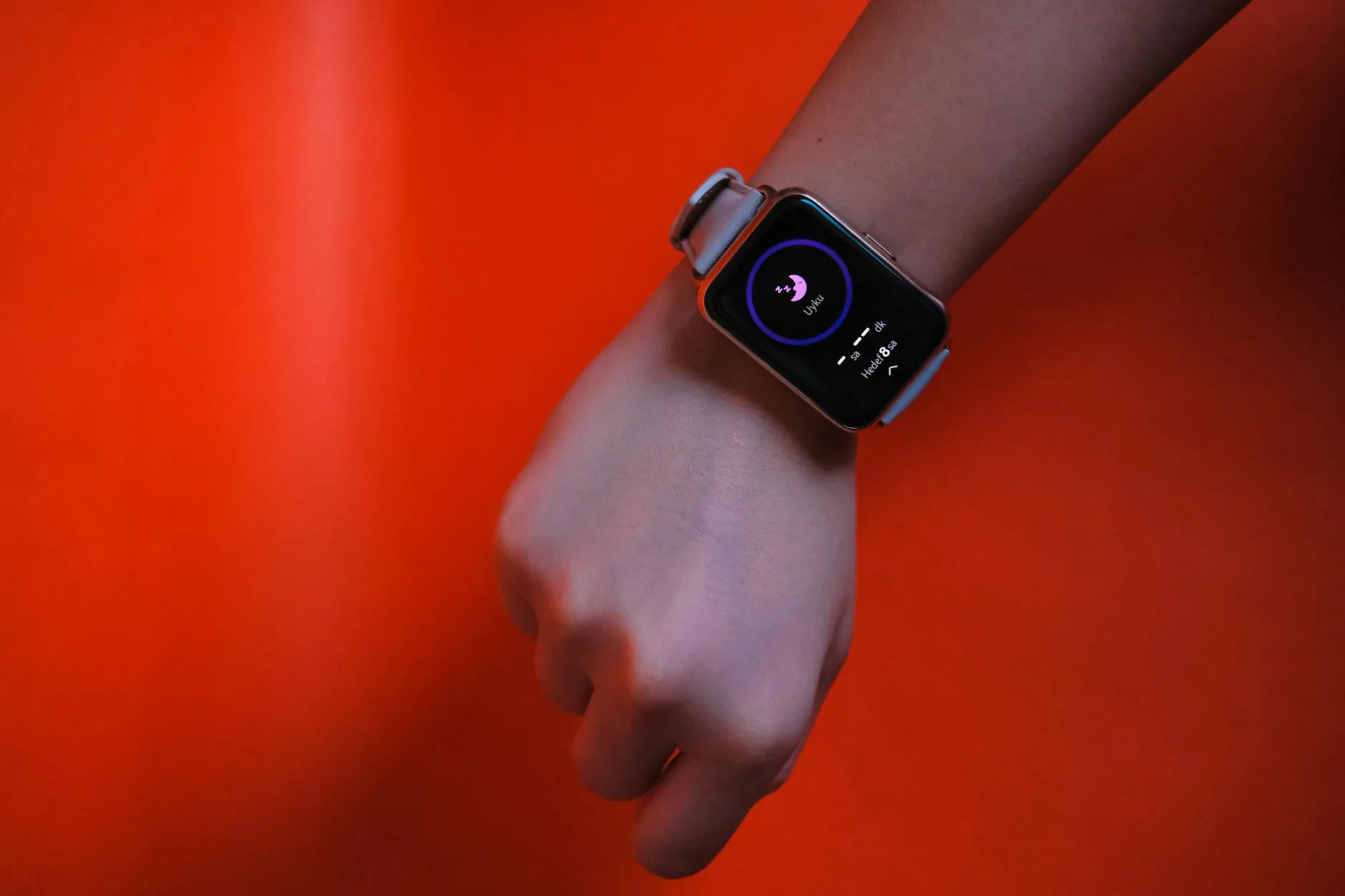
- Snug but not tight — one finger width above the wrist bone. Loose bands create gaps between the sensor and your skin, reducing heart rate accuracy.
- Same wrist every night — switching wrists changes the reading because blood flow varies between dominant and non-dominant arms.
- Clean the sensor — sweat and dead skin cells build up on the optical sensor, reducing accuracy. Wipe it weekly.
Tell the Watch When You’re in Bed
Some watches auto-detect bedtime; others let you set a sleep schedule. Setting a consistent schedule improves accuracy because the algorithm knows when to start looking for sleep patterns rather than guessing.
Be Consistent
The more data the watch has, the better its baseline calibration. After 2-4 weeks of consistent wear, most watches produce noticeably more accurate and consistent results than in the first few days.
Update Your Firmware
Sleep algorithms improve with software updates. A Garmin running firmware from 2024 is measurably less accurate than the same watch running 2026 firmware. Keep your watch updated.
Sleep Tracking vs Clinical Sleep Studies
When to See a GP Instead
Sleep tracking is a wellness tool, not a medical device. See your GP if:
- You consistently wake unrefreshed despite 7-8 hours of tracked sleep
- Your partner reports loud snoring or breathing pauses — potential sleep apnoea
- SpO2 drops below 90% repeatedly during the night
- You experience excessive daytime sleepiness that interferes with daily life
- Your sleep quality doesn’t improve despite good sleep hygiene
The NHS recommends speaking to a GP if sleep problems persist for more than four weeks and affect your daily life. Your watch data can be useful context to share with them, but it doesn’t replace clinical assessment.
Bottom Line
Fitness watch sleep tracking is good enough for trends and habits, not good enough for medical decisions. Total sleep time is reasonably accurate (within 20-30 minutes). Sleep stage breakdown — especially deep sleep — is the weakest metric and shouldn’t be taken as gospel.
The real value is in the patterns: tracking your sleep over weeks reveals what helps and what hurts. Late caffeine, alcohol, screen time, exercise timing, stress — the data tells you what your body already knows, but in a format you can’t ignore.
Wear the watch, check the trends, but don’t let a number on a screen override how you actually feel. The best sleep tracker is still your own subjective sense of whether you woke up rested.
Frequently Asked Questions
How accurate are fitness watch sleep trackers? Total sleep time is typically accurate within 20-30 minutes. Sleep stage detection (light, deep, REM) is less reliable — deep sleep measurements can be off by 30-50%. Newer watches with multi-sensor approaches are more accurate than budget trackers using movement alone.
Which fitness watch is best for sleep tracking? The Garmin Venu 3 and Apple Watch Series 9/Ultra 2 currently lead for sleep tracking accuracy, based on published validation studies. Both use advanced algorithms combining heart rate, HRV, and movement data.
Can a fitness watch detect sleep apnoea? Not directly — no consumer watch can diagnose sleep apnoea. However, watches with SpO2 sensors can flag repeated blood oxygen drops overnight, which is a screening signal worth discussing with your GP. A clinical sleep study is needed for diagnosis.
Why does my watch say I got more sleep than I think I did? Watches tend to overestimate total sleep time because they misclassify quiet wakefulness (lying still but awake) as light sleep. If you lie in bed reading or scrolling your phone without much movement, the watch may count that as sleep.
Should I wear my fitness watch to bed every night? For the most accurate tracking, yes — consistency helps the algorithm calibrate to your personal baseline. After 2-4 weeks of nightly wear, most watches produce more reliable data. If wearing a watch to bed bothers you, some trackers (like Oura Ring) offer a more comfortable form factor.