You’re in the gym section of a sports shop, staring at a row of barbells that all look identical from three feet away. Then you pick one up and immediately understand why prices range from £80 to £800. The knurling digs differently, the spin feels different, the whip bends differently. Choosing the right olympic barbell isn’t just about weight capacity on paper — it’s about how the bar feels in your hands at 6am when you’re grinding through a heavy deadlift set.
Short on time? The Wolverson OB86 is our best overall pick — a 20kg olympic barbell with aggressive knurling, smooth needle bearings, and a 230kg+ rating, all for about £200. Best value in the UK barbell market right now. For related guidance, see our How to Choose a Rowing Machine for Home guide.
In This Article
- Power vs Olympic vs Hybrid Barbells Explained
- What to Look for in an Olympic Barbell
- Best Olympic Barbells 2026 UK
- Barbell Steel and Tensile Strength
- Knurling Patterns and Grip
- Bearing Types: Bushings vs Needles
- Barbell Care and Maintenance
- Pairing Your Barbell with Plates
- Frequently Asked Questions
Power vs Olympic vs Hybrid Barbells Explained
Not all olympic barbells serve the same purpose. Understanding the three main types helps you buy the right one for how you actually train.
Power Barbells
Designed for powerlifting’s three lifts: squat, bench press, and deadlift. Key characteristics:
- Stiff shaft — minimal whip (flex), which is what you want under a heavy squat
- Aggressive knurling — deep, sharp grip that holds chalk well
- Centre knurl — prevents the bar sliding down your back during squats
- Bushing rotation — slower, controlled spin (you don’t need fast rotation for powerlifting)
- Deadlift-specific versions — thinner shaft (27mm vs 29mm) for better grip, more whip to help break the bar off the floor
Olympic/Weightlifting Barbells
Built for the snatch and clean & jerk. Completely different design philosophy:
- Whippy shaft — deliberate flex that helps generate momentum during the pull
- Needle bearings — fast, smooth spin so the plates rotate independently while you get under the bar
- No centre knurl — it would shred your collarbone and throat during cleans
- Moderate knurling — enough grip without tearing hands during high-rep Olympic lifting sessions
- 28mm shaft (men’s) — thinner for faster bar speed
Hybrid/General Purpose Barbells
The practical choice for most home gym owners and commercial gyms. They blend features from both disciplines:
- Moderate whip — enough flex for Olympic lifts, stiff enough for heavy squats
- Needle or hybrid bearings — decent spin without premium pricing
- Centre knurl (usually optional or mild) — varies by model
- Versatile knurling — not as aggressive as power, not as mild as Olympic
- 28.5mm shaft — a compromise diameter
If you train a mix of everything — squats, deadlifts, cleans, presses — a hybrid barbell is almost always the right choice. I’ve used a hybrid in my home gym for two years and it handles everything from heavy singles to conditioning complexes without complaint.
What to Look for in an Olympic Barbell
Weight and Dimensions
Standard men’s olympic barbells weigh 20kg and measure 2200mm (7.2ft) total length with a 1310mm (51.5″) shaft length. Women’s bars are 15kg, 2010mm total, with a 25mm shaft diameter.
If your ceiling is under 2.4m or your rack is in a tight space, measure before buying. The bar extends beyond the rack by about 400mm each side.
Tensile Strength (PSI)
This measures how much force the bar can handle before permanently bending. Ratings you’ll see:
- 150,000 PSI — budget bars, fine for loads under 200kg
- 190,000 PSI — mid-range, handles most home gym lifters comfortably
- 210,000+ PSI — premium bars that will never bend in normal use
For most home gym users lifting under 250kg, anything above 180,000 PSI is overkill — but the higher-rated bars also tend to have better whip characteristics and manufacturing tolerances.
Finish
- Bare steel — best feel and knurling grip, but requires regular oiling to prevent rust
- Black oxide — thin coating that preserves grip feel while adding some corrosion resistance
- Hard chrome — most durable, excellent corrosion resistance, slightly smoother knurling feel
- Cerakote — ceramic coating, good protection, available in colours, but fills knurling slightly
- Zinc — budget protection, decent but wears off over time
For a UK home gym (often in a garage), chrome or cerakote handles the humidity better. If you train in a climate-controlled room, bare steel or black oxide gives the best grip feel.
Weight Capacity
Listed as either “static” (weight the bar holds while stationary) or “dynamic” (weight during use with impact). Always check which rating is quoted:
- Budget bars: 150-200kg static
- Mid-range: 250-350kg static
- Premium: 450-680kg+ static (competition-rated)
Best Olympic Barbells 2026 UK
Best Overall: Wolverson OB86
After testing five barbells in my garage gym over the past year, the Wolverson OB86 is the one I’d buy again. It’s a 20kg hybrid bar with a 28.5mm shaft, aggressive-but-not-skin-tearing knurling, and needle bearings that spin smoothly for cleans while being stiff enough for a heavy squat.
- Price: about £190-210 from Wolverson Fitness
- Shaft: 28.5mm, hard chrome finish
- Tensile strength: 210,000 PSI
- Bearings: needle bearings
- Weight capacity: 340kg static
- Knurling: medium-aggressive with centre knurl
- Warranty: lifetime against bending
The knurling is the standout. It bites into chalk beautifully for deadlifts without shredding your hands during high-rep work. The spin is fast enough for power cleans but controlled enough that the bar doesn’t feel “loose” in a squat. Made in the UK, which is increasingly rare.
Best Budget: Mirafit M3 Olympic Barbell
If you’re building your first home gym and need a solid barbell without spending £200+, the Mirafit M3 punches well above its price point. It’s not going to compete with the Wolverson on feel, but for the money, it’s remarkable.
- Price: about £100-120 from Mirafit
- Shaft: 28mm, black oxide finish
- Tensile strength: 190,000 PSI
- Bearings: bronze bushings
- Weight capacity: 300kg static
- Knurling: moderate with centre knurl
- Warranty: 1 year
The bushings mean slower rotation than needle bearings — not ideal for Olympic lifting, but perfectly fine for powerlifting movements and general strength training. The black oxide finish feels good but needs occasional oiling in a damp garage.
Best for Olympic Lifting: Eleiko IWF Training Bar
If you’re serious about the snatch and clean & jerk and want a bar that meets International Weightlifting Federation specifications, the Eleiko is the gold standard. It’s what they use in international competition, and the quality is immediately obvious the moment you pick it up.
- Price: about £650-750 from Eleiko or Wolverson Fitness
- Shaft: 28mm, hard chrome
- Tensile strength: 215,000 PSI
- Bearings: needle bearings (competition-grade)
- Weight capacity: 500kg static
- Knurling: IWF-spec moderate
- Warranty: 12 years
The whip and spin on this bar are in a completely different league to everything else listed here. The needle bearings are glass-smooth, the shaft flexes predictably under load, and the knurling is aggressive enough for a max snatch without tearing calluses during volume work. Expensive — but if you’re competing or training seriously in Olympic lifting, nothing else feels the same.
Best for Powerlifting: Strength Shop Bastard Bar
Named by lifters, for lifters. The Bastard Bar is designed specifically for the competition squat, bench, and deadlift with an ultra-stiff shaft and aggressive knurling that grips like it’s angry about something.
- Price: about £200-240 from Strength Shop
- Shaft: 29mm, hard chrome
- Tensile strength: 210,000 PSI
- Bearings: bronze bushings (deliberately slow)
- Weight capacity: 450kg static
- Knurling: very aggressive with volcano centre knurl
- Warranty: lifetime
The 29mm shaft and deliberate stiffness mean zero whip under heavy squats — the bar stays rigid across your back. The bushings rotate slowly and deliberately. If you’re squatting 200kg+, this stability matters. Not great for Olympic lifts (too stiff, too slow), but that’s not what it’s for.
Best Value Mid-Range: ATX Ram Bar
The ATX Ram Bar occupies that sweet spot between the Mirafit budget option and the Wolverson premium. German-engineered (manufactured in Asia to German specs), it delivers 90% of the Wolverson experience at 70% of the price.
- Price: about £150-170 from various UK retailers
- Shaft: 28.5mm, hard chrome
- Tensile strength: 205,000 PSI
- Bearings: needle bearings
- Weight capacity: 350kg static
- Knurling: medium with centre knurl
- Warranty: 2 years
Excellent all-rounder that handles everything capably. The chrome finish holds up well in garage conditions. If the Wolverson is slightly beyond budget, this is where I’d point people first.
Barbell Steel and Tensile Strength
The steel composition determines how the bar responds under load. Higher tensile strength means the bar returns to straight more reliably after bending under heavy weight.
What the Numbers Mean
- 150K PSI — the bar will permanently bend (“take a set”) at around 200-250kg if dropped or loaded unevenly
- 190K PSI — safe for serious home use, handles most lifters without issue
- 210K+ PSI — competition-level, the bar always returns to true regardless of load
Whip vs Stiffness
Higher PSI doesn’t always mean better. An extremely stiff bar (210K+ with a 29mm shaft) has minimal whip, which is:
- Good for: squats, bench press, strict pressing
- Bad for: deadlifts (you want some whip to help break the floor), Olympic lifts (whip helps redirect the bar)
The best general-purpose bars sit around 190-210K PSI with a 28-28.5mm shaft — enough tensile strength for heavy loads while retaining useful whip. Our guide to building a home gym on a budget covers how the barbell choice fits into your overall equipment priorities.
Knurling Patterns and Grip
Aggressiveness Levels
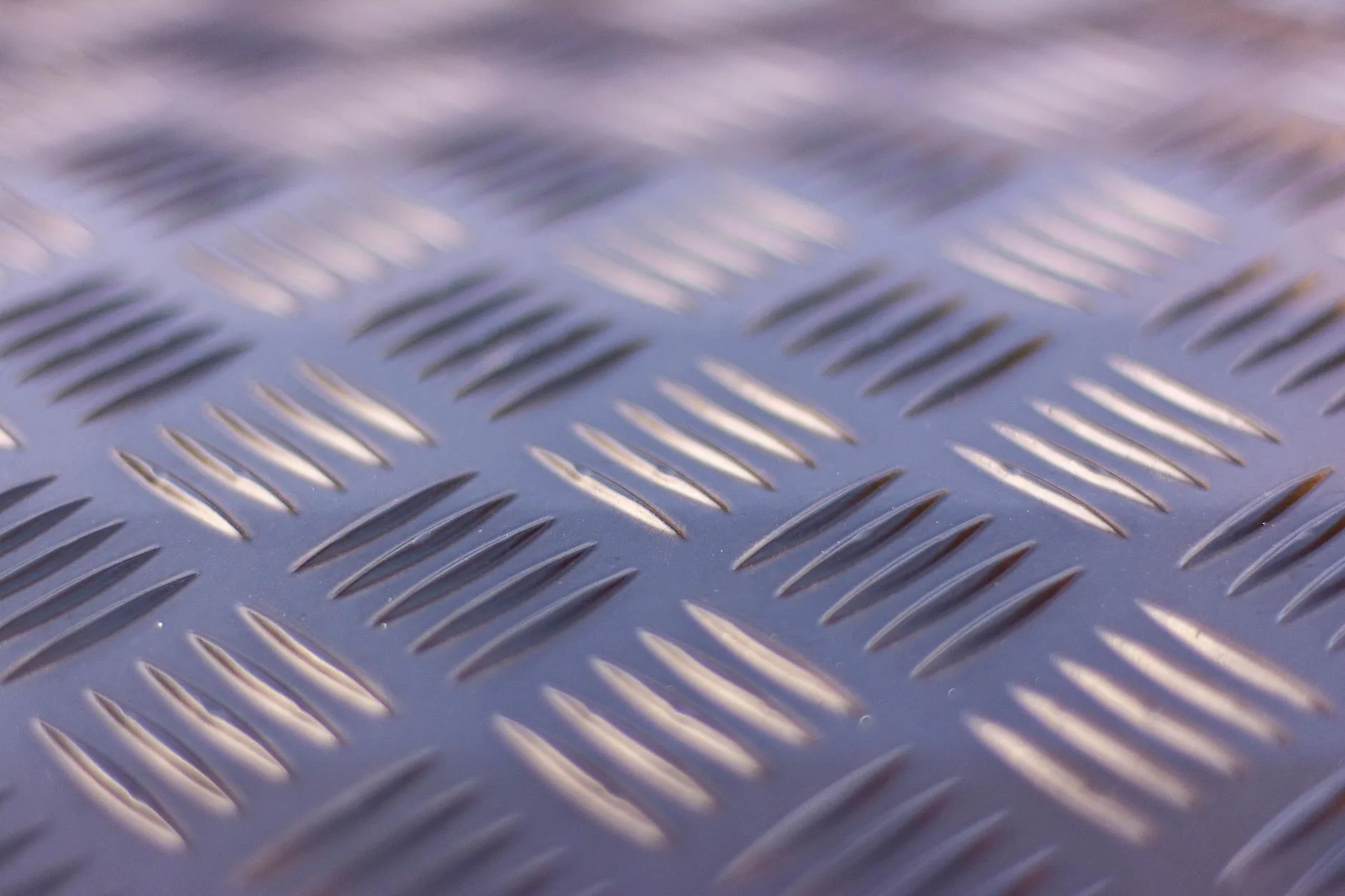
- Mild — comfortable for high-rep work and Olympic lifting, but slippery under max deadlifts
- Medium — the versatile choice, good grip with chalk without tearing hands
- Aggressive — powerlifting bars, excellent max-effort grip, but rough on hands for volume work
- Volcano knurling — raised points (like tiny volcanoes) that bite particularly hard, found on competition powerlifting bars
IPF vs IWF Knurl Marks
The ring markings on the shaft aren’t decorative — they indicate hand position:
- IPF marks (81cm apart) — standard powerlifting grip width marks for bench press
- IWF marks (91cm apart) — wider marks for snatch grip positioning
- Dual-marked bars — have both sets of rings, the most versatile option for hybrid training
Centre Knurl
A textured section in the middle of the shaft that prevents the bar sliding down your back during squats. Essential for low-bar squat position, helpful for high-bar. Some Olympic lifters prefer no centre knurl because it scrapes their throat during cleans.
For home gym use where you’ll squat regularly, a centre knurl is worth having. Just check it’s not overly aggressive — some budget bars have centre knurls that feel like cheese graters through a thin t-shirt.
Bearing Types: Bushings vs Needles
Bronze/Brass Bushings
- Spin: slower, more controlled rotation
- Maintenance: low (occasional oiling)
- Durability: excellent — bushings last decades
- Best for: powerlifting, general strength training
- Price impact: lower cost
- Feel: more “connected” — you feel the plate weight directly
Needle Bearings
- Spin: fast, smooth, free rotation
- Maintenance: slightly more (keep bearings lubricated)
- Durability: very good, but can fail if contaminated with dirt/chalk dust
- Best for: Olympic lifting, hybrid training
- Price impact: higher cost (precision components)
- Feel: plates spin independently — lighter feel during fast movements
Which Do You Need?
If you exclusively powerlift: bushings are fine and arguably preferable (controlled spin keeps the bar predictable). If you do any Olympic lifting or dynamic movements: needle bearings make cleans and snatches measurably easier because the plates don’t fight your rotation. If you’re pairing with olympic weight plates, needle bearings let those plates spin freely on catches.
Barbell Care and Maintenance
Weekly
- Brush the knurling with a stiff nylon brush to remove chalk buildup
- Wipe the shaft with a dry cloth
- Check sleeve rotation — spin should be smooth without grinding
Monthly
- Apply a thin layer of 3-in-1 oil or barley oil to the shaft (bare steel/black oxide bars only — chrome/cerakote doesn’t need it)
- Oil the sleeve/bearing junction with a few drops of light machine oil
- Inspect for any signs of bending — roll on a flat surface and check for wobble
Storage
- Store horizontally on a barbell rack or wall mount (not leaning in a corner — this can cause bending over time)
- Keep in a dry environment where possible — humidity is the enemy of bare steel
- If your garage has high humidity, a dehumidifier or barbell storage sleeves help
What Damages Barbells
- Dropping empty bars — the whip without weight causes stress at the sleeve junction
- Dropping on one side — uneven impact bends the shaft
- Metal-on-metal plate contact — iron plates without bumpers cause sleeve damage over time
- Chalk buildup in bearings — reduces spin and can cause grinding
- Neglecting rust — bare steel bars need regular oiling, especially in UK garages
For more on protecting your equipment and reducing noise from drops, check our noise reduction guide for home gyms.
Pairing Your Barbell with Plates
Olympic vs Standard
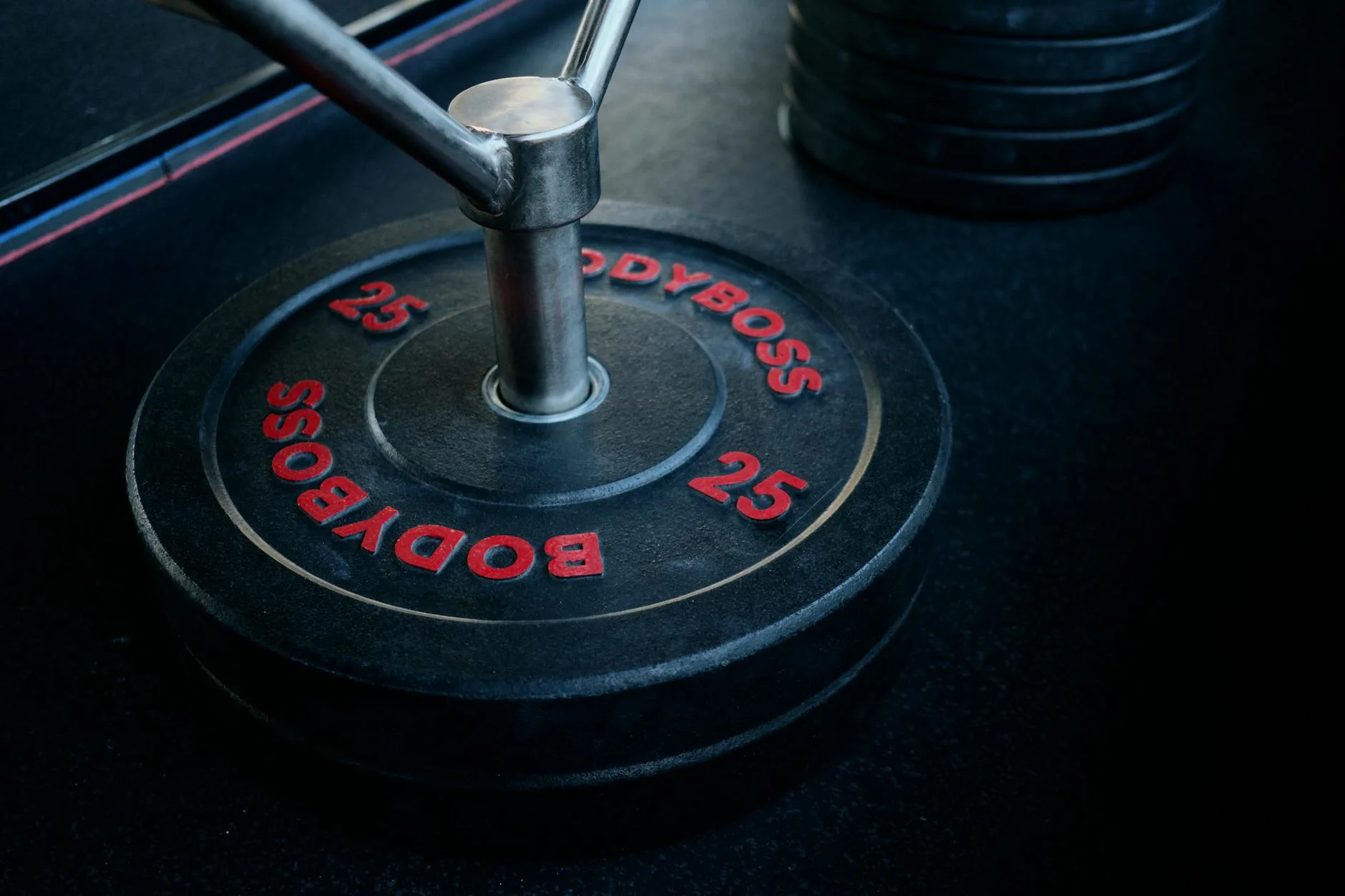
Olympic barbells use 50mm sleeve diameter (2 inches) — they only accept olympic-sized plates with 50mm holes. Standard barbells use 25mm (1 inch). These are not interchangeable. If you’re buying an olympic barbell, ensure all your plates are olympic-sized.
Bumper Plates vs Iron Plates
- Bumper plates — rubber-coated, all same diameter regardless of weight, designed for dropping. Essential for Olympic lifts. Quieter.
- Iron/steel plates — cheaper per kg, smaller diameter at lighter weights, louder when dropped. Fine for powerlifting and general use if you’re not dropping from overhead.
Building Your First Plate Set
A practical starting set for a home gym barbell setup:
- 2 × 20kg bumper plates (allows deadlifting at correct bar height)
- 2 × 10kg plates (iron or bumper)
- 2 × 5kg plates
- 2 × 2.5kg plates
- 2 × 1.25kg plates (for small progression jumps)
Total plate weight: 77.5kg. Plus the 20kg bar = 97.5kg loading capacity. That covers most intermediate lifters for squat, bench, and deadlift training. Add more 20kg plates as you progress. For a detailed breakdown of plate selection, see our best squat racks guide which covers rack and plate pairings.
Frequently Asked Questions
Is a 20kg barbell too heavy for beginners? For most adults, no — a 20kg empty barbell is a reasonable starting point for squats, deadlifts, and rows. For bench press, some beginners may find 20kg challenging initially. If you’re completely new to lifting, starting with dumbbells or a lighter technique bar (15kg) for the first few weeks builds confidence before graduating to a standard 20kg bar.
Do I need a different barbell for deadlifts? Not unless you’re pulling 200kg+. A good hybrid barbell handles deadlifts perfectly for most lifters. Dedicated deadlift bars have a thinner shaft (27mm vs 28-29mm) for better grip and more whip, which helps break heavy weight off the floor — but this is a speciality tool for advanced lifters, not a necessity.
How long does a good barbell last? With proper care, a quality barbell lasts 10-20+ years. The Eleiko bars in commercial gyms often last decades. Even mid-range bars like the Wolverson OB86 or ATX Ram Bar should give you 10+ years of home gym use if you maintain them (regular oiling, brush chalk from knurling, don’t drop empty).
Can I use an olympic barbell without a rack? Yes — for deadlifts, rows, overhead press, cleans, and floor press. However, for squats and bench press, you need a squat rack or stands. Never attempt to squat heavy weight without proper supports. A safe training environment includes appropriate supporting equipment.
What’s the difference between a £100 and £400 barbell? At £100, you get a functional bar that handles moderate loads with decent but not outstanding knurling, bushing rotation, and basic corrosion protection. At £400, you get precision manufacturing — consistent knurling, smooth needle bearing spin, higher tensile strength, better steel composition, and a lifetime warranty. The £400 bar feels noticeably different in your hands and will outlast the £100 bar by a decade.