Most people choosing between a treadmill, bike and rower are not really choosing between three workouts. They are choosing which machine they will still use in February, which one their house can tolerate, and which one will not feel like an expensive compromise after two weeks.
The short version: buy a treadmill if you mainly want to run or walk indoors, buy an exercise bike if you want the easiest low-impact habit, and buy a rower if you want hard full-body training in the smallest stored footprint. For many UK homes, the bike is the safest first buy. The rower is the best compact fitness tool if you like technique-led training. The treadmill is only the best choice when running, walking volume or weather-proof training is the real goal.
This guide compares them as home machines, not gym status symbols. It covers space, noise, joints, fitness goals, current UK prices and the checks worth making before you spend £200 to £1,500.
In This Article
- The Quick Recommendation
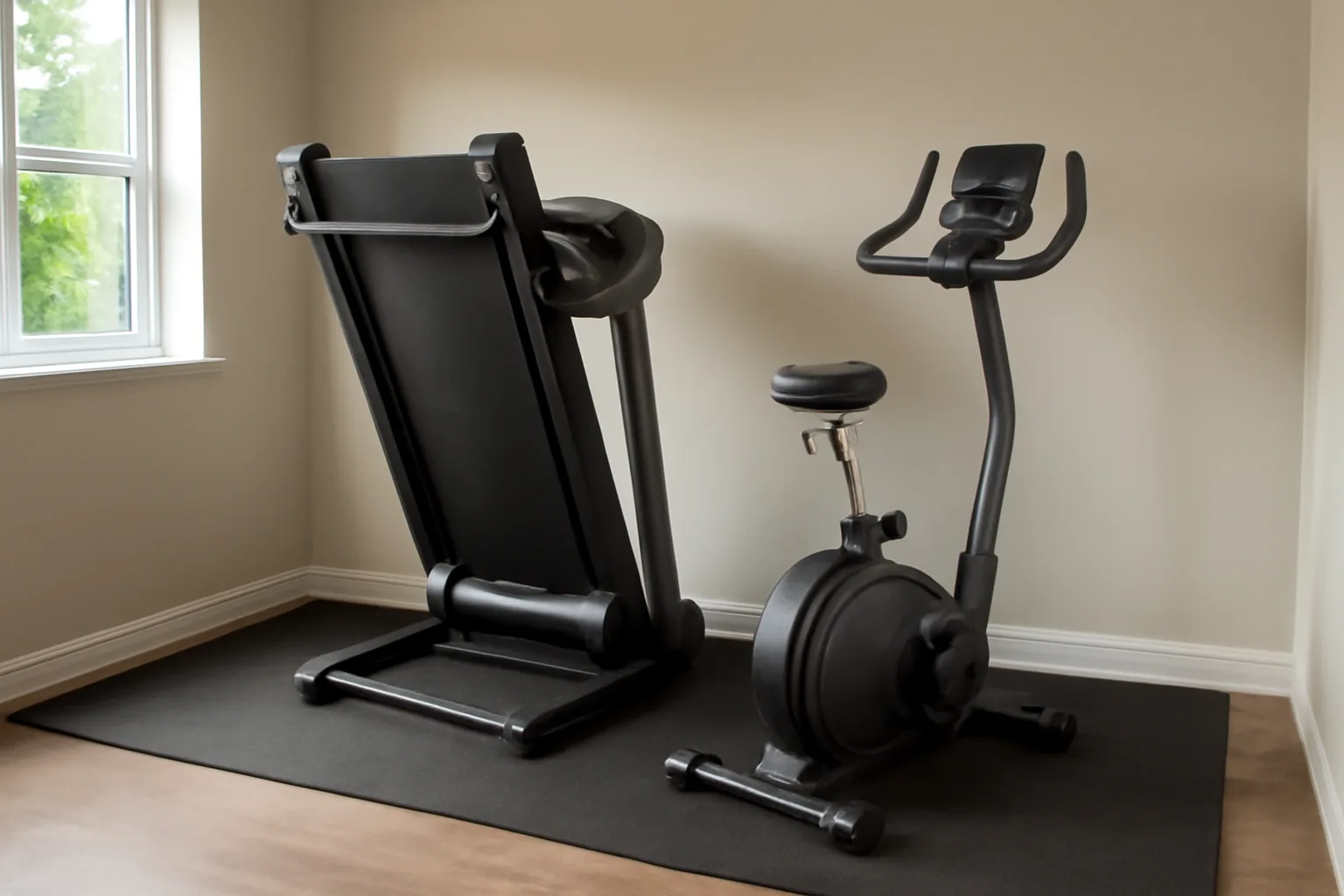
- Treadmill vs Bike vs Rower: The Decision Matrix
- Space, Noise and Home Practicality
- Joints, Technique and Injury Risk
- Training Goals: Fitness, Fat Loss, Running or Strength
- Current UK Budget: What Your Money Buys
- Buying Checks Before You Commit
- Frequently Asked Questions
The Quick Recommendation
If you are torn and want a blunt answer, start with the limitation you cannot change.
Choose a treadmill if you want to become a better runner, keep up walking mileage through bad weather, or train for Parkrun, 10K or half-marathon goals. A treadmill is the closest indoor match for outdoor running mechanics. It also works well for low-intensity walking, especially if you work from home and can use a walking pad during calls. The catch is space, noise and price. A cheap treadmill that feels cramped at jogging pace is rarely a bargain.
Choose an exercise bike if your main goal is consistency. Bikes are quiet, simple, joint-friendly and easy to use while tired. They suit flats, shared houses and spare rooms because the footprint is predictable and there is no footfall thump through the floor. If you have knee or hip concerns, a bike is often the least intimidating route into regular cardio, though saddle comfort and bike fit still matter.
Choose a rower if you want the most training effect from the least floor space when stored. Rowers train legs, back, hips, trunk and arms in one movement, and a good session can feel brutally efficient. They are also less repetitive than cycling for some people. The catch is technique. A rower rewards good form and punishes lazy form, so it is not the easiest “switch off and move” option.
If this is your first home cardio machine and you have no strong sport-specific goal, the safe order is bike, rower, treadmill. That does not mean the bike is best for everyone. It means it has the fewest home-use deal-breakers.
Treadmill vs Bike vs Rower: The Decision Matrix
Use this as the first filter before you get lost in specs.
- Small flat: exercise bike first, rower second, treadmill last. The bike is quietest and simplest to live with.
- Garage or ground-floor room: all three work, but treadmills become more realistic because noise and weight matter less.
- Running goal: treadmill. A bike or rower can build fitness, but neither replaces the feel of running.
- Bad knees or impact sensitivity: bike first. Rower second if technique is sound. Treadmill walking can work, but running impact is still impact.
- Full-body conditioning: rower. It uses more of the body than a bike or treadmill session at the same duration.
- Lowest learning curve: bike. Most people can start gently without much setup.
- Lowest storage footprint: rower if it stores upright; bike if it stays assembled in a corner.
- Best for multitasking: bike or walking pad. Rowers and running treadmills need more attention.
Think of the treadmill as the most sport-specific, the bike as the most habit-friendly, and the rower as the most efficient. The best choice is the one that matches your constraint, not the one with the hardest-looking workout.
Space, Noise and Home Practicality
UK homes often decide this purchase before fitness goals do. Measure the room with the machine in use, not folded. A treadmill that folds upright still needs a long, clear running deck when opened. An exercise bike needs less floor space, but you still need room to mount it safely and adjust the saddle. A rower looks long in use, then becomes surprisingly manageable if it stands upright or splits for storage.
A typical folding exercise bike may occupy about 45cm by 90cm when opened, though budget models can feel cramped for taller riders. A spin-style bike or upright exercise bike is usually closer to 50cm by 100cm. A rowing machine often needs around 220cm to 240cm of length while in use, plus space at the back to sit down and slide. A compact treadmill may need around 150cm to 180cm of deck length, while running-focused models often need more room and more ceiling clearance.
Noise is the second reality check. Bikes are usually the quietest. A magnetic resistance bike can be quiet enough for early mornings if the floor is stable and the bike is not wobbling. Rowers vary. Magnetic rowers are quieter; air rowers have the fan sound that many people like but neighbours may not. Treadmills are the noisiest because the motor, belt and foot strike all contribute. Even a good treadmill can sound heavy in an upstairs room.
Weight also matters. A light folding bike can be moved by one person. A mid-range rower may be manageable with transport wheels. A treadmill can be awkward, heavy and unpleasant to move around tight stairs. Some running treadmills are well over 70kg. If delivery is to an upstairs spare room, check boxed weight, package dimensions and courier restrictions before ordering.
Floor protection is not optional if you are putting cardio kit on laminate, engineered wood or carpet. A basic bike mat is often £25 to £40. Larger treadmill mats are usually £35 to £70. A rower mat can be £30 to £60 depending on length. The mat will not magically silence a treadmill, but it can reduce vibration, protect the floor and stop the machine creeping forward.
The room also needs to feel usable. If the only place a treadmill fits is where it blocks a wardrobe, it will become irritating. If a rower has to be dragged from behind a sofa every time, usage drops. A machine that lives ready-to-use is worth more than a better machine that lives folded behind clutter.
Joints, Technique and Injury Risk
For low-impact cardio, the bike is the easiest recommendation. Your bodyweight is supported by the saddle, there is no landing force, and resistance can be increased slowly. It is still possible to irritate knees with poor setup. If the saddle is too low, the knee stays too bent at the bottom of the pedal stroke. If it is too high, hips rock. A few minutes spent adjusting saddle height is not a small detail.
The rower is also low impact, but it is not low skill. Good rowing is leg drive first, then body swing, then arms. The return is arms, body, legs. Many beginners pull with the arms too early, slump through the back, or rush the slide. That can turn a useful machine into a lower-back nuisance. If you buy a rower, plan to spend the first week learning the stroke at gentle intensity. The existing GymGearUK guide on proper rowing-machine form is a better next read than another product comparison.
The treadmill has the highest impact if you run, but it also has a useful low-impact side: walking. Incline walking can be productive without the same joint stress as faster running. For some people, a treadmill is bought for running and then used mostly for walking, which is fine if that was the real habit all along. It is less fine if you paid £1,200 for a running deck and only needed a £250 walking pad.
The NHS recommends adults build regular physical activity into the week, including moderate aerobic work and strengthening activity. A machine can help only if it removes friction rather than adding a new one. The NHS physical activity guidelines are a useful sanity check here: the machine is a route to regular movement, not a trophy purchase.
If you are returning from injury, have chest symptoms, or have been told to limit exercise intensity, get medical guidance before treating any machine as a shortcut back. For normal home use, start with easier sessions than your ego wants. The first win is using the machine three or four times without soreness that derails the next week.
Training Goals: Fitness, Fat Loss, Running or Strength
For running performance, buy the treadmill. A bike or rower can build your engine, but they do not train foot strike, running cadence, pacing at running speeds, or the mental rhythm of holding a pace. A treadmill is useful for controlled intervals, wet-weather sessions and easy runs when family life makes leaving the house awkward. If you only want variety for a treadmill you already own, the GymGearUK guide to treadmill workouts beyond running gives better session ideas than buying a second machine.
For fat loss, do not overrate calorie estimates on screens. They are rough guesses and can vary by machine. Fat loss comes from repeatable training plus diet over time. A bike that you use four times a week beats a rower that you avoid because every session feels too hard. If calorie tracking matters to you, read GymGearUK’s guide to tracking calories burned during workouts before trusting a console number.
For general fitness, the rower has a strong case. It raises heart rate fast and uses more muscle mass than a seated bike. Short rower intervals can feel very demanding, and steady rows build rhythm and endurance. The rower also pairs well with strength training because it reinforces hip drive and trunk control when done well. It is not a strength machine, but it sits closer to whole-body conditioning than a bike.
For easy daily movement, the bike wins. It is realistic to ride gently while watching TV, listening to a podcast or warming up before weights. Beginners can build from 10-minute rides without much fear. The GymGearUK guide to exercise bike workouts for beginners is a sensible companion if the bike is your choice.
For mixed family use, ask who will actually use it. A treadmill may suit one runner but intimidate everyone else. A bike can adjust quickly between users, though very tall and very short riders may need different frame geometry. A rower can suit a household well, but only if everyone learns the stroke and has enough space to set it up safely.
If boredom kills your habits, consider entertainment and data. A bike is easiest to use with a tablet. A treadmill is fine for walking with entertainment but less so for faster running. A rower needs attention because technique deteriorates when you stop concentrating. Connected screens and apps can help motivation, but they also add cost. A chest strap heart-rate monitor is often £30 to £80 and may be a better training upgrade than a flashy console.
Current UK Budget: What Your Money Buys
At entry level, bikes give you the most usable choice. Folding bikes and basic upright bikes often sit around £120 to £250 from UK retailers. They are not luxury machines, but a stable £180 bike can be enough for steady cardio if you fit within the size range. Budget spin-style bikes are often £180 to £350, with models such as the JLL IC300 Pro commonly sitting around £180 to £230 when discounted. The GymGearUK guide to budget exercise bikes under £200 is worth using if price is the main filter.
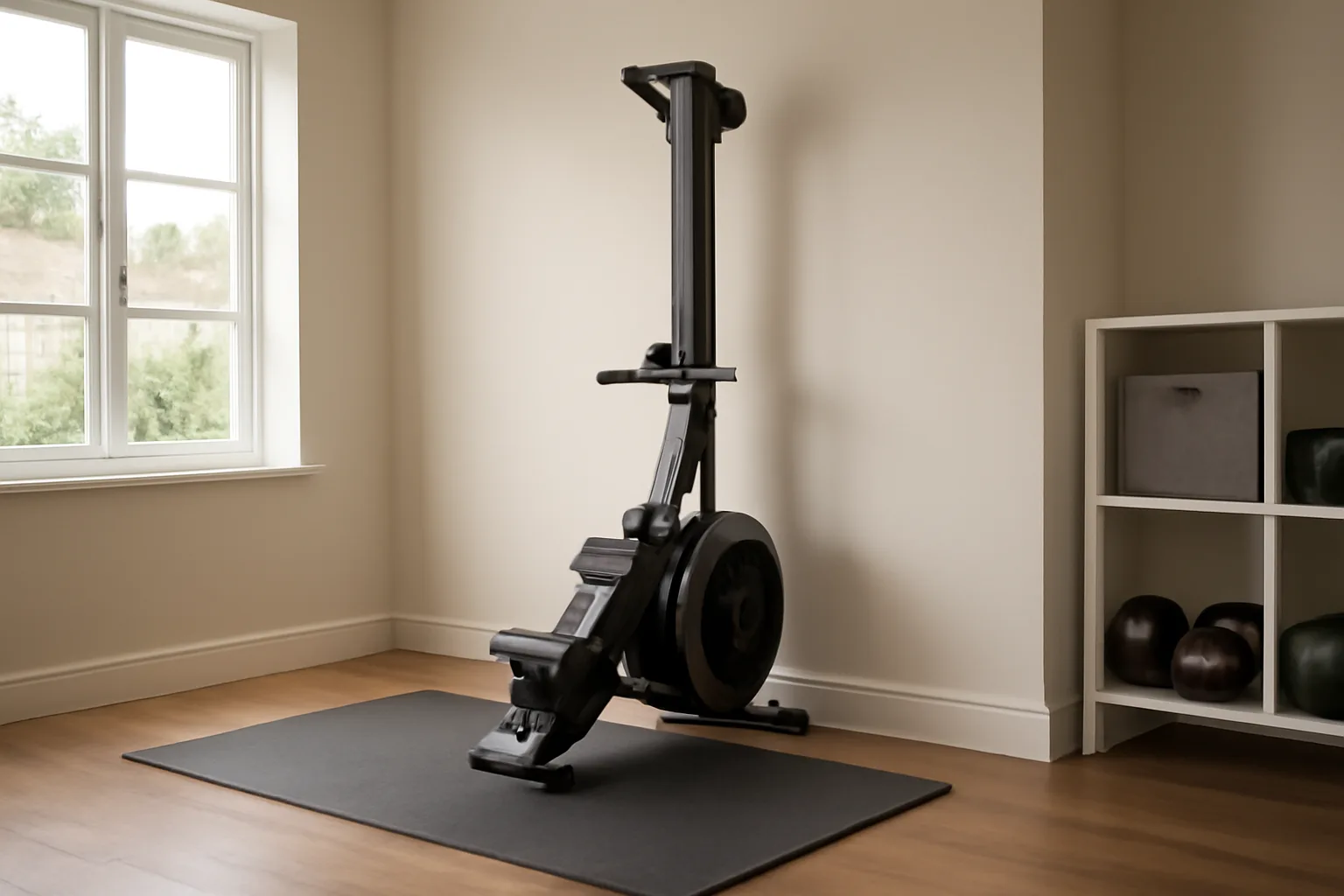
Rowers start lower than many people expect, but the cheapest end is mixed. Basic hydraulic rowers can appear around £120 to £200, but they often feel less natural. Magnetic rowers are commonly around £200 to £350. Better home air or air-magnetic rowers often sit around £400 to £700. A Concept2 RowErg is usually around £950 to £1,050 in the UK, which is a lot of money but also the benchmark machine in many gyms and rowing clubs. GymGearUK’s best rowing machine UK guide goes deeper if you already know a rower is the right category.
Treadmills need more budget discipline. Walking pads commonly cost around £180 to £350. They are useful for walking but not a substitute for a proper running treadmill. Compact running treadmills are often £500 to £900. Larger home running treadmills from brands such as JTX, Reebok or NordicTrack can run from about £900 to £1,500+, especially if you want a wider belt, stronger motor and higher user-weight rating. A suspiciously cheap treadmill can be a false economy if the belt is short, the top speed is low, or the frame shakes under jogging.
Add ownership costs before deciding. Delivery can be free, but heavy-item delivery or room-of-choice service may add £20 to £80. Assembly service can be £60 to £120 on bigger machines. A treadmill lubricant bottle may be £8 to £15. Replacement bike pedals, saddle covers, rowing gloves or floor mats are small costs, but they still make a £250 purchase closer to £320 once the setup is usable.
Used machines can make sense, especially for bikes and rowers. The risk is missing parts, worn belts, damaged monitors, old batteries or a machine too heavy to collect safely. With treadmills, check motor noise, belt alignment, incline, emergency stop and deck feel before paying. With rowers, check chain or strap smoothness, monitor function, seat rollers and frame cracks. With bikes, check resistance, crank movement, saddle adjustment and handlebar stability.
Do not buy the most expensive machine you can afford if a mid-range one solves the real problem. Spend extra where it changes use: a longer treadmill deck for running, a stable bike frame for heavier sprinting, or a smoother rower rail if several people will use it. Fancy programmes matter less than comfort, stability and the machine being ready when you are.
Buying Checks Before You Commit
Before buying, measure the room and tape the footprint on the floor. Leave enough clearance to get on and off the machine. For treadmills, allow space behind the belt in case you stumble. For rowers, check the full slide length. For bikes, check that the handlebars and saddle can be adjusted for the shortest and tallest likely user.
Check the maximum user weight, but do not treat it as a comfort rating. A treadmill rated to 110kg may technically hold a 95kg runner but still feel poor if the motor, deck and frame are light. A bike may list a high user weight but wobble under out-of-saddle efforts. Reviews that mention stability under real use are more valuable than a spec sheet alone.
Look at the warranty by part. A treadmill might have different cover for frame, motor, parts and labour. A rower may have frame and parts split. A bike may have only one year on moving parts. Cheap machines can still be good buys, but only if you accept that repair support may be limited. Also check returns terms before assembly. Large fitness equipment can be hard to return once built, and unwanted-item returns may require original packaging.
For treadmills, check running deck size, top speed, motor rating, incline, folded dimensions and belt maintenance. If you expect to run, look for a deck that feels comfortable at your stride length, not just a top speed that looks good in a listing. GymGearUK has a separate guide on treadmill belt lubrication and care because maintenance is part of ownership, not an afterthought.
For bikes, check resistance type, saddle adjustment, handlebar position, flywheel weight and pedal compatibility. A very cheap saddle can ruin an otherwise useful bike. A tablet holder is useful only if it does not block the console or wobble during use.
For rowers, check storage method, rail length, resistance type, monitor quality and seat comfort. If you are tall, rail length matters. If you train early or late, resistance noise matters. If you want app data, monitor compatibility matters. The more specific home rowing-machine buying guide is the better place to go once the rower has won the three-way decision.
Finally, choose the machine that fits your weakest day. On an energetic Sunday, all three sound appealing. On a wet Tuesday evening after work, the winning machine is the one you can start without negotiation. That is the machine worth buying.
Frequently Asked Questions
Is a treadmill, bike or rower best for weight loss? The best one is the machine you will use consistently. A rower can feel hardest per minute, a treadmill can burn plenty through running or incline walking, and a bike is often easiest to repeat several times a week.
Which is quietest for a flat? A magnetic exercise bike is usually the quietest. A magnetic rower can also be reasonable, but air rowers and treadmills are more likely to disturb neighbours or people downstairs.
Which machine is best for bad knees? An exercise bike is usually the safest starting point because it is low impact and controlled. Rowing can also be low impact, but poor technique can irritate the back or knees. Running on a treadmill adds impact.
Is a rower better than a bike? A rower is better for full-body conditioning and compact upright storage. A bike is better for easy low-impact habit building, quiet use and multitasking. Neither is automatically better.
Can a walking pad replace a treadmill? A walking pad can replace a treadmill for walking, desk movement and gentle cardio. It does not replace a running treadmill if you need higher speed, incline, a wider belt and a stronger frame.
How much should I spend on a first cardio machine? For a first home machine, a sensible UK budget is about £180 to £350 for a basic bike, £250 to £500 for a usable rower, or £500 to £900 for a treadmill you expect to jog on. Spend less only if the machine still fits your size, room and use case.