You cleared out the spare room, bought a set of resistance bands for £25, and did three weeks of workouts feeling like you were actually getting somewhere. Then your mate showed you his home gym — a squat rack, a barbell, 150kg of plates, and dumbbells up to 40kg — and you wondered whether your colourful rubber bands were a waste of time. Are resistance bands a legitimate training tool, or are they the exercise equivalent of a participation trophy? The answer is more nuanced than either the band evangelists or the iron purists will admit. For related guidance, see our Adjustable Dumbbells: Are They Worth the Money? guide. For related guidance, see our Best Adjustable Dumbbells 2026: UK Home Gym Tested guide. For related guidance, see our How to Choose a Rowing Machine for Home guide. For related guidance, see our How to Warm Up Before Lifting Weights guide.
In This Article
- How Resistance Bands and Free Weights Create Resistance
- Strength Building: Which Is More Effective
- Muscle Growth: Can Bands Build Real Size
- Exercises Where Bands Win
- Exercises Where Free Weights Win
- Cost and Space Comparison
- Injury Risk and Joint Health
- Progression and Overload
- Who Should Use Bands and Who Should Use Weights
- Using Both Together
- Frequently Asked Questions
How Resistance Bands and Free Weights Create Resistance
Free Weights: Constant Load
A 20kg dumbbell weighs 20kg at every point in the movement. Whether you are at the bottom of a bicep curl or the top, the resistance is the same. Gravity pulls the weight down, and your muscles work against that pull. The load is predictable, measurable, and consistent.
Bands: Variable Resistance
A resistance band creates more tension the further it is stretched. At the start of a movement (when the band is slack or lightly stretched), the resistance is low. At the peak contraction (when the band is fully stretched), the resistance is highest. This is called ascending resistance — the exercise gets harder as you approach the end of the range of motion.
Why This Matters
The different resistance profiles mean bands and weights stress your muscles differently. Free weights are hardest at the weakest point of the movement (the “sticking point”). Bands are hardest at the strongest point. Neither profile is objectively better — they train different aspects of strength, and using both gives you the most complete stimulus.
Strength Building: Which Is More Effective
The Research
A 2019 meta-analysis published in SAGE Open Medicine compared strength gains from resistance band training versus free weight training across multiple studies. The conclusion: for untrained individuals and those with moderate training experience, resistance bands produce comparable strength gains to free weights when the training volume and effort are matched.
For advanced lifters (training for more than 2-3 years), free weights have a clear advantage because the ability to load precisely and progressively in small increments (1.25kg plates exist; resistance bands do not offer that granularity) is essential for continued adaptation.
Practical Strength
Strength is task-specific. If you train with bands, you get strong in the movement patterns and resistance profiles that bands provide. If you train with weights, you get strong in those patterns. For general functional strength — carrying shopping, lifting children, climbing stairs — either tool produces meaningful improvements for most people.
Maximum Strength
If your goal is to lift the heaviest possible weight in a squat, deadlift, or bench press, free weights are non-negotiable. You cannot train for a powerlifting competition with bands. The specificity principle requires that you train with the tool you will be tested with. But if your goal is “be strong enough for daily life and look good,” bands can get you a surprisingly long way.
Muscle Growth: Can Bands Build Real Size
The Mechanism
Muscle growth (hypertrophy) requires mechanical tension, metabolic stress, and muscle damage — all three of which can be achieved with resistance bands. The ascending resistance profile means bands provide maximum tension at peak contraction, which some research suggests is particularly effective for hypertrophy because the muscle is under load in its shortened position.
The Limitation
Building significant muscle mass requires progressive overload — gradually increasing the resistance over time. With dumbbells, you add 1-2kg per arm. With a barbell, you add 1.25-2.5kg. With bands, you jump from one colour to the next, which might represent a 5-15kg jump in resistance. This coarse progression makes it harder to overload incrementally, which limits long-term muscle growth potential for intermediate and advanced trainees.
The Honest Assessment
Bands can build muscle. A beginner or intermediate trainee can gain noticeable size using bands alone, particularly in the upper body (chest, shoulders, back, arms). Legs are harder because the resistance available from bands rarely matches the loads possible with a squat rack and barbell. If you want legs that look like you train, you eventually need heavier resistance than bands provide.
Exercises Where Bands Win
Lateral Movements
Band pull-aparts, face pulls, and lateral walks are superior with bands because the band maintains tension throughout the lateral plane. Free weights create vertical resistance (gravity pulls down), so lateral movements with dumbbells require awkward body positions to create resistance in the right direction. Bands create horizontal tension naturally.
Warm-Up and Activation
A light band around the knees during bodyweight squats activates the glute medius (the muscle that prevents knee collapse). Banded shoulder dislocations warm up the rotator cuff. These activation exercises are quicker, safer, and more targeted with bands than with light dumbbells.
Accommodating Resistance
Bands added to barbell exercises change the strength curve. A squat with a band attached to the barbell is lighter at the bottom (where you are weakest) and heavier at the top (where you are strongest). This trains lockout strength and teaches your nervous system to accelerate through the full range. Powerlifters and strength athletes use this technique regularly.
Rehabilitation
After injury, bands allow you to train with very light resistance that increases gradually through the range of motion. This is easier on healing joints than a fixed-weight dumbbell, which applies full load from the first degree of movement. Physiotherapists use bands extensively for shoulder, knee, and hip rehabilitation.
Travel and Portability
A full set of bands weighs under 1kg and fits in a suitcase. You cannot take your squat rack to a hotel room, but you can do a full-body workout with bands anywhere. For frequent travellers, bands are the only practical resistance training tool.
Exercises Where Free Weights Win
Heavy Compound Lifts
Squats, deadlifts, bench press, overhead press, and barbell rows are the foundation of strength training. These movements load the entire body through large ranges of motion with heavy weights — something bands cannot replicate at meaningful intensity for anyone beyond a beginner.
Progressive Overload
Adding 1.25kg to a barbell each week is measurable, repeatable, and sustainable for months. Bands do not offer this precision. When you exhaust the capacity of a green band and move to a blue band, the jump in resistance may be too large, forcing a drop in reps that feels like regression rather than progression.
Eccentric Training
The lowering phase of a lift (the eccentric) is where the most muscle damage occurs — and muscle damage is one of the three drivers of hypertrophy. Free weights maintain full resistance during the eccentric phase. Bands reduce resistance during the eccentric (the band shortens as you lower the weight, reducing tension). This means bands provide a weaker eccentric stimulus than weights, which matters for muscle growth.
Leg Training
Heavy squats, Romanian deadlifts, and leg presses build legs in ways that bands cannot match. The muscles of the lower body are large and strong — they need heavy loads to stimulate growth. Banded squats are useful for activation and light training, but they are not a substitute for 80-100kg on a barbell across your back.
Cost and Space Comparison
Resistance Bands
A full set of loop bands (5 resistance levels) costs £15-30 from Amazon UK, Decathlon, or Argos. A set of tube bands with handles costs £20-40. Total investment for a complete band training setup: £30-60. Storage: a drawer.
Free Weights (Basic Home Gym)
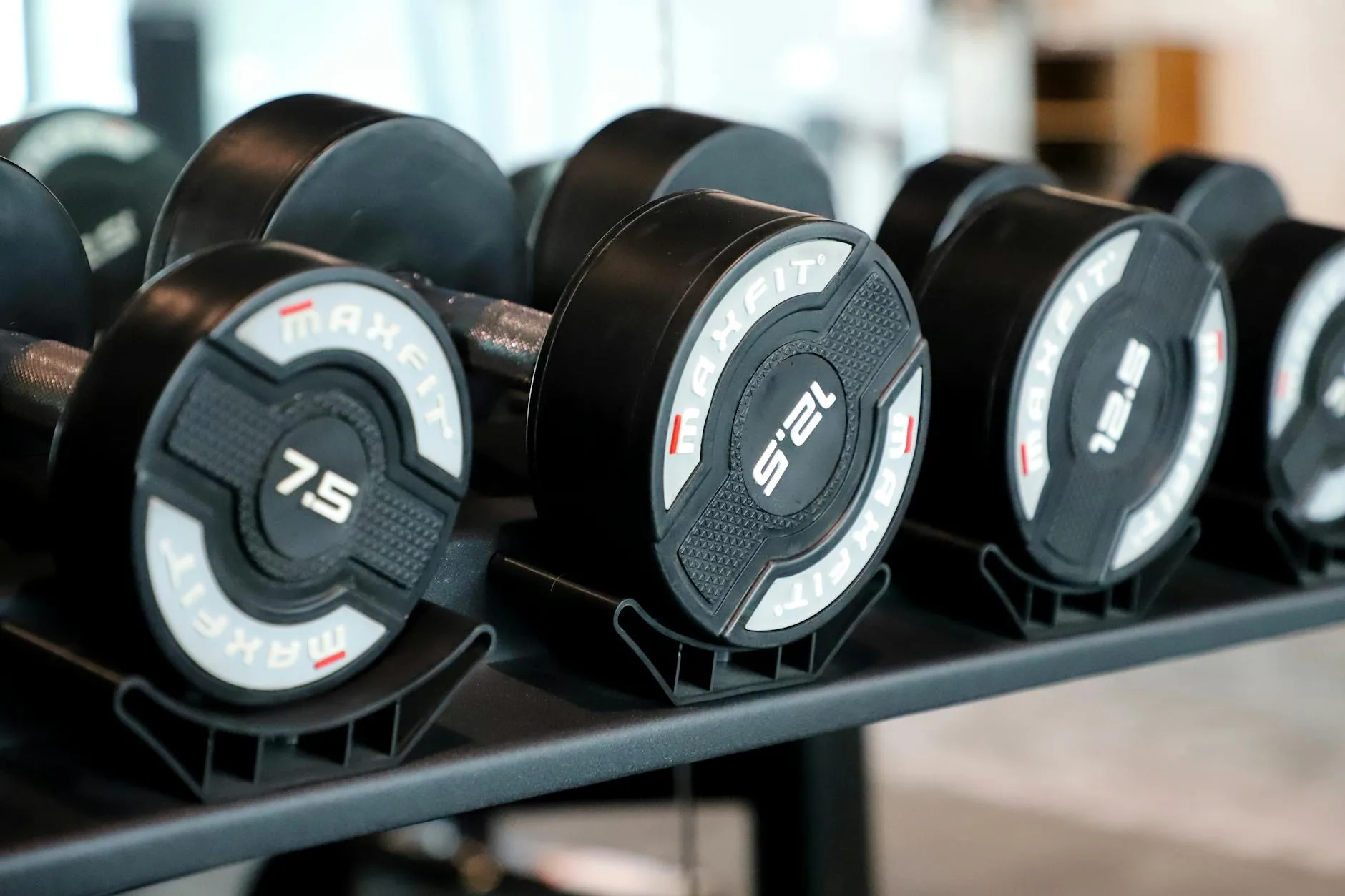
A pair of adjustable dumbbells (up to 20kg each) costs £80-150. A barbell and weight set (100kg) costs £150-300. A squat rack costs £150-400. A bench costs £60-150. Total investment for a basic but functional home gym: £400-1,000 — our home gym build guide shows how to do it on a budget. Space required: a dedicated room or large garage area of at least 6m².
The Middle Ground
A pair of adjustable dumbbells (£100-150) combined with a set of resistance bands (£25) gives you the best value for a home training setup. The dumbbells cover heavy compound movements and progressive overload. The bands cover warm-ups, lateral work, and exercises where bands are superior. Total: £125-175, fits in a corner of a bedroom. The NHS physical activity guidelines recommend strength training at least twice per week — this setup makes that achievable for anyone.
Injury Risk and Joint Health
Bands: Lower Injury Risk
Bands are inherently safer than free weights. If you fail a rep with a band, the band simply contracts — there is no weight to drop on yourself. The ascending resistance profile means the load is lowest at the most vulnerable point of the movement (the stretched position, where joints are most exposed). For older adults, people recovering from injury, and beginners with limited body awareness, bands provide a safer training environment.
Free Weights: Technique Dependent
Free weight exercises carry a higher injury risk, primarily from poor technique under heavy load. A rounded-back deadlift, a bounced bench press, or a squat with caving knees can cause acute injuries (herniated disc, torn pectoral, ACL strain). This risk is manageable with proper technique and sensible programming, but it requires education and body awareness that beginners may not have.
Joint-Friendly Training
For people with existing joint issues (arthritic knees, shoulder impingement, tennis elbow), bands often allow pain-free training where equivalent free weight exercises cause discomfort. The reduced eccentric load and variable resistance profile are gentler on connective tissue while still providing a training stimulus.
Progression and Overload
How to Progress with Bands
Since you cannot add weight in small increments, band progression uses different strategies:
- More reps — increase from 12 to 15 to 20 reps before moving to a heavier band
- Slower tempo — 3 seconds up, 3 seconds down doubles the time under tension without changing resistance
- Shortened rest periods — reducing rest from 90 seconds to 45 seconds increases metabolic stress
- Combined bands — use two lighter bands together for intermediate resistances
- Increased range of motion — standing further from the anchor point increases tension throughout the movement
How to Progress with Free Weights
Add weight. The simplest and most effective progression method in strength training. Start light, add 1-2.5kg per session (beginners) or per week (intermediates), and keep a training log to track your numbers.
Which Approach Drives Better Long-Term Results?
Free weights, because the progression is more precise and measurable. However, band progression strategies are sufficient for most recreational exercisers whose goal is general fitness, muscle tone, and functional strength rather than competitive strength sports.
Who Should Use Bands and Who Should Use Weights
Bands Are Best For:
- Complete beginners who need to build body awareness before loading heavy
- Older adults prioritising joint health and functional strength
- People rehabilitating injuries under physiotherapy guidance
- Travellers who need portable equipment
- Anyone on a tight budget or with no space for a home gym
- Supplementary work — warm-ups, activation, lateral movements, even for lifters who primarily use free weights
Free Weights Are Best For:
- Anyone with strength or muscle size goals beyond beginner-intermediate level
- Athletes training for performance in a specific sport
- People who enjoy the gym and find the process of lifting heavy motivating (motivation matters — the best programme is the one you actually do)
- Long-term progressive overload where measurable, incremental loading drives continuous improvement
Both Are Best For:
Most people. The idea that you must choose one or the other is false. A training programme that uses barbell and dumbbell exercises for the main lifts and band exercises for warm-ups, accessory work, and rehabilitation gives you the benefits of both without the limitations of either.
Using Both Together
Band-Resisted Compound Lifts
Loop a band over the barbell during squats, bench press, or deadlifts. The band adds resistance at the top of the lift (where you are strongest), which trains lockout speed and teaches you to drive explosively through the full range. Start with a light band and increase as you adapt.
Supersets: Weight + Band
Perform a heavy dumbbell exercise (e.g., dumbbell chest press, 8 reps) immediately followed by a band exercise targeting the same muscle (e.g., banded chest fly, 15 reps). The dumbbell set fatigues the muscle with heavy load, and the band set extends the set with lighter resistance that targets peak contraction. This combination is excellent for hypertrophy.
Band Warm-Up Before Weights
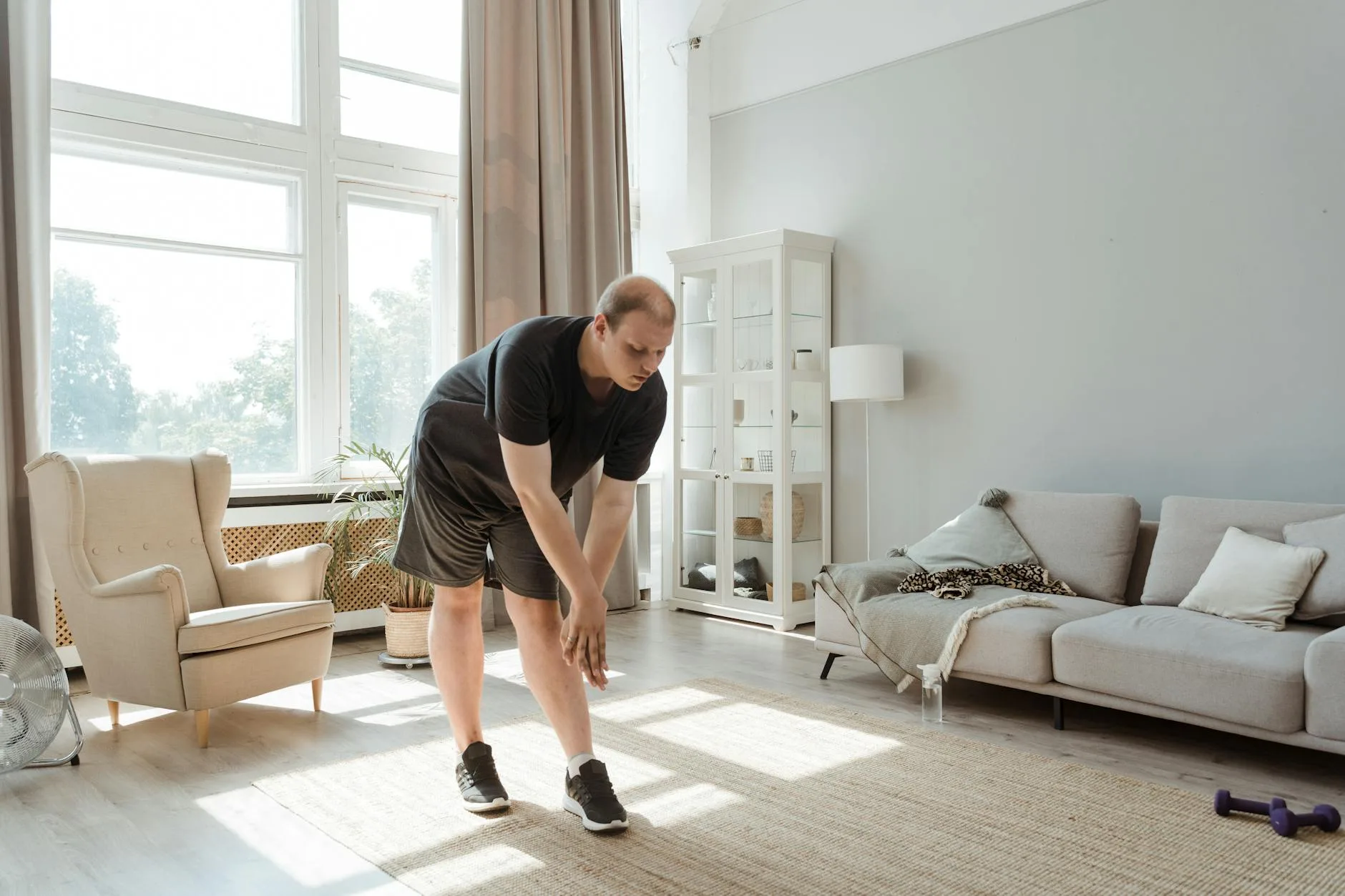
5 minutes of banded movements before your main session activates target muscles and prepares joints. Band pull-aparts (shoulders), banded squats (glutes), and band dislocations (rotator cuff) are standard warm-up exercises in most commercial gyms. They take less time than equivalent dumbbell warm-up sets and are less fatiguing.
The Practical Programme
A sensible home training week might look like:
- Monday: Dumbbell upper body + band accessory work (lateral raises, face pulls, band pull-aparts)
- Wednesday: Dumbbell lower body + banded glute activation (banded squats, banded Romanian deadlifts)
- Friday: Full-body band workout (lighter, higher rep, recovery-focused)
This uses dumbbells for the heavy work that drives strength and growth, and bands for the accessory and recovery work that keeps joints healthy and muscles balanced.
Frequently Asked Questions
Can resistance bands replace free weights? For beginners and intermediate trainees, bands can produce comparable strength gains and muscle growth when effort is matched. For advanced lifters or anyone pursuing maximum strength, free weights are necessary because bands cannot provide the precise, heavy loading needed for continued progression.
Are resistance bands good for building muscle? Yes, particularly for upper body muscles. The ascending resistance profile provides strong peak contraction which drives hypertrophy. The limitation is progressive overload — bands jump in resistance between colours rather than offering the gradual increases possible with weight plates, which limits long-term muscle building potential.
Which is safer, bands or free weights? Bands are inherently safer because there is no weight to drop and the resistance is lowest at the most vulnerable joint positions. Free weights carry a higher injury risk from poor technique under heavy load, but this risk is manageable with proper form and sensible programming.
How much do resistance bands cost compared to a home gym? A full band set costs £15-30. A basic home gym (adjustable dumbbells, barbell, rack, bench) costs £400-1,000. The best value for most people is adjustable dumbbells (£100-150) plus a band set (£25), which covers heavy and light training for under £175.
Can I use bands and weights together? Yes, and this combination is often better than either alone. Use free weights for heavy compound lifts and progressive overload. Use bands for warm-ups, activation, lateral work, rehabilitation, and as accommodating resistance added to barbell exercises.