The best foam roller in the UK for most regular gym users is the TriggerPoint GRID 1.0. Its 33cm hollow-core design is compact enough to store easily, yet broad enough for calves, quads and upper-back muscles. The textured surface will not suit everyone: if you are new to rolling or dislike pressure points, start with the smoother Core Balance 45cm instead.
This guide compares six distinct choices by surface, length, firmness and whether vibration is worth paying for. The recommendations are based on exact product specifications and practical use cases, not hands-on testing or promises that a roller will treat an injury.
Contents
- Our direct answer
- Foam rollers at a glance
- Our six recommendations
- How to choose
- How to use one comfortably
- Which should you buy?
- Frequently asked questions
Best Foam Rollers: Our Direct Answer
Choose the GRID 1.0 when you want one durable, mid-length roller for several muscle groups and can control pressure comfortably. Its hollow core and patterned EVA surface give a different feel from a soft solid cylinder. The maker specifies a 33cm length and a load rating up to 300lb; the marketplace description contains a conflicting size claim, so use the manufacturer’s GRID specifications for the size and check the exact colour and variant before buying.
The Core Balance Smooth 45cm is the gentler starting point, although its listing specifies a 90kg maximum user weight. Choose the Amazon Basics 90cm if length and stability for floor exercises matter more than portability. Vibration is an optional luxury, not a necessary upgrade for recovery.
Six Foam Rollers at a Glance
Start with the surface and length you will actually use. A longer cylinder offers more width for floor and balance exercises; a short textured roller packs more easily but concentrates pressure. Prices and stock can change, so the table focuses on lasting differences.
| Roller | Our award | Surface and size | Best use | Main drawback |
|---|---|---|---|---|
| TriggerPoint GRID 1.0 | Best overall | Textured, 33cm | All-round gym use | Pattern may feel firm |
| Core Balance Smooth 45cm | Best gentler starter | Smooth, 45cm | First roller and broad muscles | 90kg listed load limit |
| Core Balance Textured 33cm | Best budget grid | Textured, 33cm | Lower-cost grid feel | Firmer than smooth foam |
| Amazon Basics 90cm | Best full-length | Smooth, high density, 90cm | Floor and balance work | Bulky to store |
| Hyperice Vyper 3 | Best vibrating | Textured vibration, 33cm | Adjustable powered option | Expensive and needs charging |
| TriggerPoint GRID Travel | Best travel | Textured, compact | Gym bag and targeted areas | Too short for broad support |
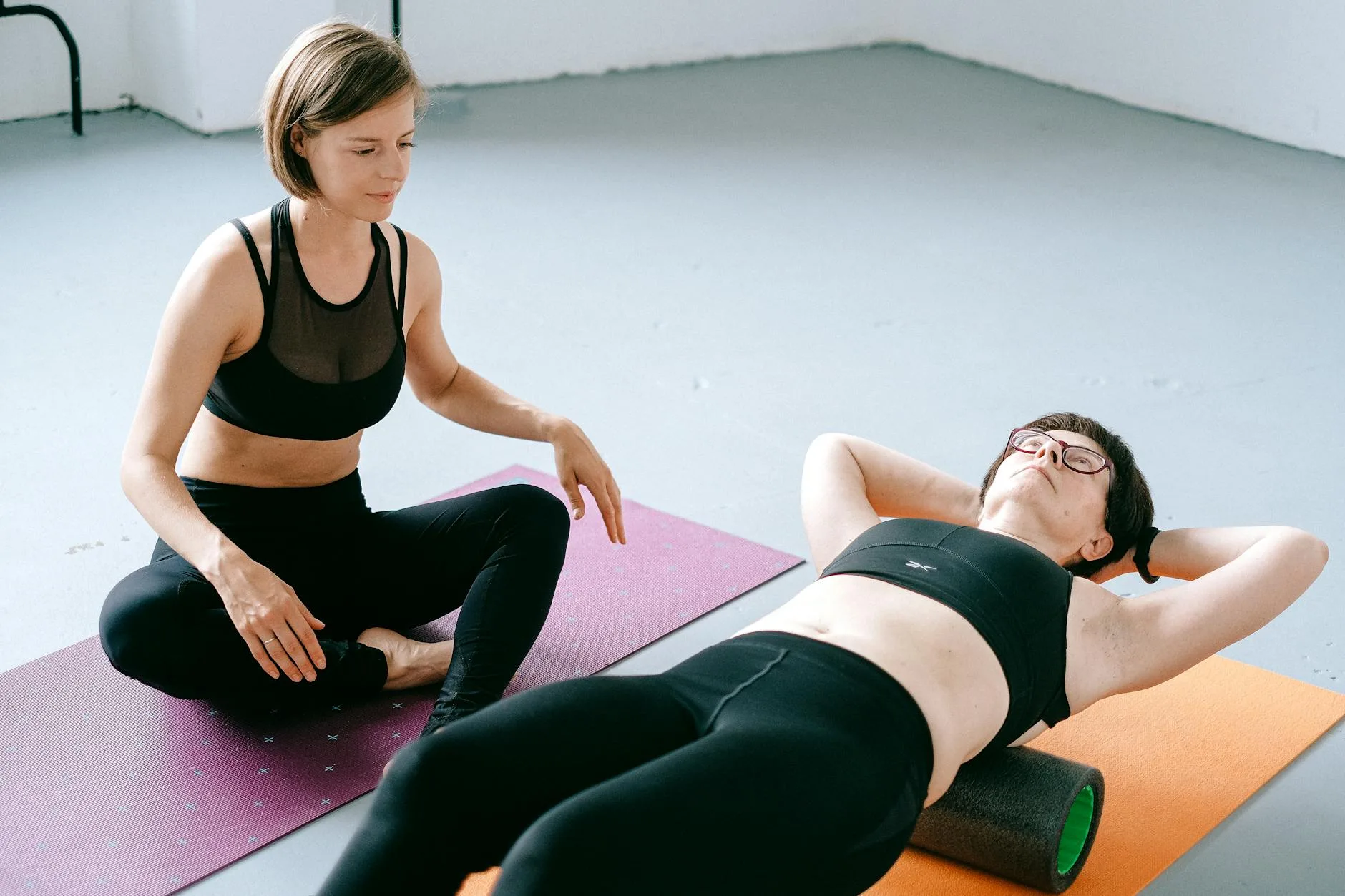
A softer surface is not automatically safer or more effective; it simply changes how much pressure you feel for a given body position. Use your hands and legs to unload weight rather than trying to tolerate pain.
Our Six Foam Roller Recommendations
TriggerPoint GRID 1.0 — Best overall
The GRID 1.0 is the balanced pick if you want a compact roller that can handle several muscle groups. TriggerPoint lists a 33cm EVA-covered hollow core with raised zones, making it easier to vary the contact area than on a plain cylinder.
Its firm core is less prone to flattening than a basic soft-foam tube, while the modest length suits home storage and a gym bag. You still control intensity by shifting weight through your hands or opposite leg; the pattern itself does not prove deeper tissue change or faster recovery.

Choose it if: You want one durable, compact roller and find a patterned surface comfortable.
Skip it if: You prefer even, gentle pressure or need a long support surface.
Main trade-off: A textured feel that can be too assertive for sensitive beginners.
Core Balance Smooth 45cm — Best gentler starter
The blue Core Balance Smooth is the least complicated starting choice here: a 45cm, 15cm-diameter cylinder with medium-density EPE foam. Its untextured surface distributes pressure more evenly than either grid roller.
The listing gives a 90kg maximum capacity, which is a material limit, particularly for exercises that place much of your body weight on the roller. It is useful for learning pressure control before deciding whether a firmer or more targeted surface is desirable. Do not infer injury treatment from the seller’s marketing claims.

Choose it if: You want a gentler-feeling 45cm roller and are within the stated weight limit.
Skip it if: You exceed that limit or specifically want a rigid hollow-core roller.
Main trade-off: The listed 90kg load limit and solid foam construction.
Core Balance Textured 33cm — Best budget grid
Core Balance’s black 33cm textured roller is the lower-cost way to try a grid surface. The listed variant has a hollow plastic core and EVA exterior, with raised sections rather than the uninterrupted contact of its smooth 45cm sibling.
It is a sensible alternative when your budget matters more than the original TriggerPoint design. The 33cm length fits most gym bags; the firm bumps may feel intrusive on tender areas. Buy it for the format and compact size, not for the listing’s unsupported promises about breaking up adhesions or eliminating toxins.

Choose it if: You want a textured roller at a lower cost than the GRID 1.0.
Skip it if: You are looking for a softer introductory surface or full-length support.
Main trade-off: Its firm pattern may be too much for a first roller.
Amazon Basics 90cm — Best full-length
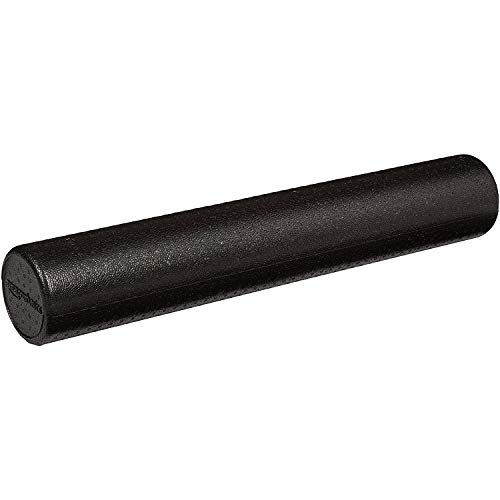
The Amazon Basics model is a 90cm smooth, high-density roller. Its extra width earns a place for Pilates-style floor work, balance exercises and positions where a short 33cm cylinder feels unstable.
The long shape is the reason to buy it, not a recovery claim. It takes more storage space and is awkward to carry to a gym. High-density foam can also feel firm despite the smooth surface. If portability and targeted leg work are your main needs, choose a shorter model instead.
Choose it if: You need 90cm of continuous support for floor exercises.
Skip it if: You have little storage space or want a gym-bag roller.
Main trade-off: Storage and portability; high density is not the same as soft.
Hyperice Vyper 3 — Best vibrating
The Hyperice Vyper 3 is the powered premium option. Hyperice specifies three vibration speeds, a 33cm length and up to two hours of battery life. Those are useful differences if you specifically prefer vibration and will use it regularly.
The maker’s specifications confirm the device and its charger; check the exact plug supplied by the UK seller before ordering. Vibration changes the sensation but does not establish that it treats injuries or outperforms an ordinary roller for every buyer. At a much higher cost, it is a poor default first purchase.

Choose it if: You already use a roller and know you prefer adjustable vibration.
Skip it if: You want a simple first roller or expect a proven recovery advantage for the extra spend.
Main trade-off: High price, charging and extra complexity.
TriggerPoint GRID Travel — Best travel
The TriggerPoint GRID Travel retains the brand’s patterned hollow-core approach in a visibly shorter, bag-friendly form. The exact orange travel variant is distinct from the full-size GRID 1.0.
Its small contact area is practical for calves, forearms and targeted work away from home, but it is a poor substitute for a longer roller when you want stable support under a broad part of your back or both legs. Check the listing’s exact colour and dimensions because GRID Travel variants differ.

Choose it if: Portability matters more than full-body width.
Skip it if: This will be your only roller for home floor work.
Main trade-off: Limited width for broad support and floor exercises.
How to Choose a Foam Roller
Smooth, grid or vibrating?
Smooth foam spreads your weight across a continuous surface and is often easiest to learn with. Raised grid patterns focus pressure into smaller areas; that may feel useful to some people and excessive to others. A vibrating roller adds a motor and battery to the same basic movement. None of these surfaces should be sold as a way to “break up” fascia, flush toxins or prevent injury.
Research suggests foam rolling can offer short-term improvements in range of motion and may modestly affect perceived soreness, but findings vary across studies. A meta-analysis of performance and recovery found small average effects on flexibility and perceived soreness, while a later comparison of warm-up methods found no clear superiority over other approaches for acute flexibility. Buy for comfort and usable dimensions, not exaggerated treatment claims.
Match length to storage and exercise
Around 33–45cm is manageable for most leg and upper-back work and easy to put away. A 90cm cylinder gives greater width for exercises where stability matters, but is clumsy to carry. A travel roller is for focused areas and portability. Check diameter too: a narrower roller changes your starting height and floor position.
If you are setting up a compact exercise space, our home-gym space guide helps with floor clearance. A suitable yoga mat or gym floor surface can make getting into and out of rolling positions less awkward.
How to Use a Foam Roller Comfortably
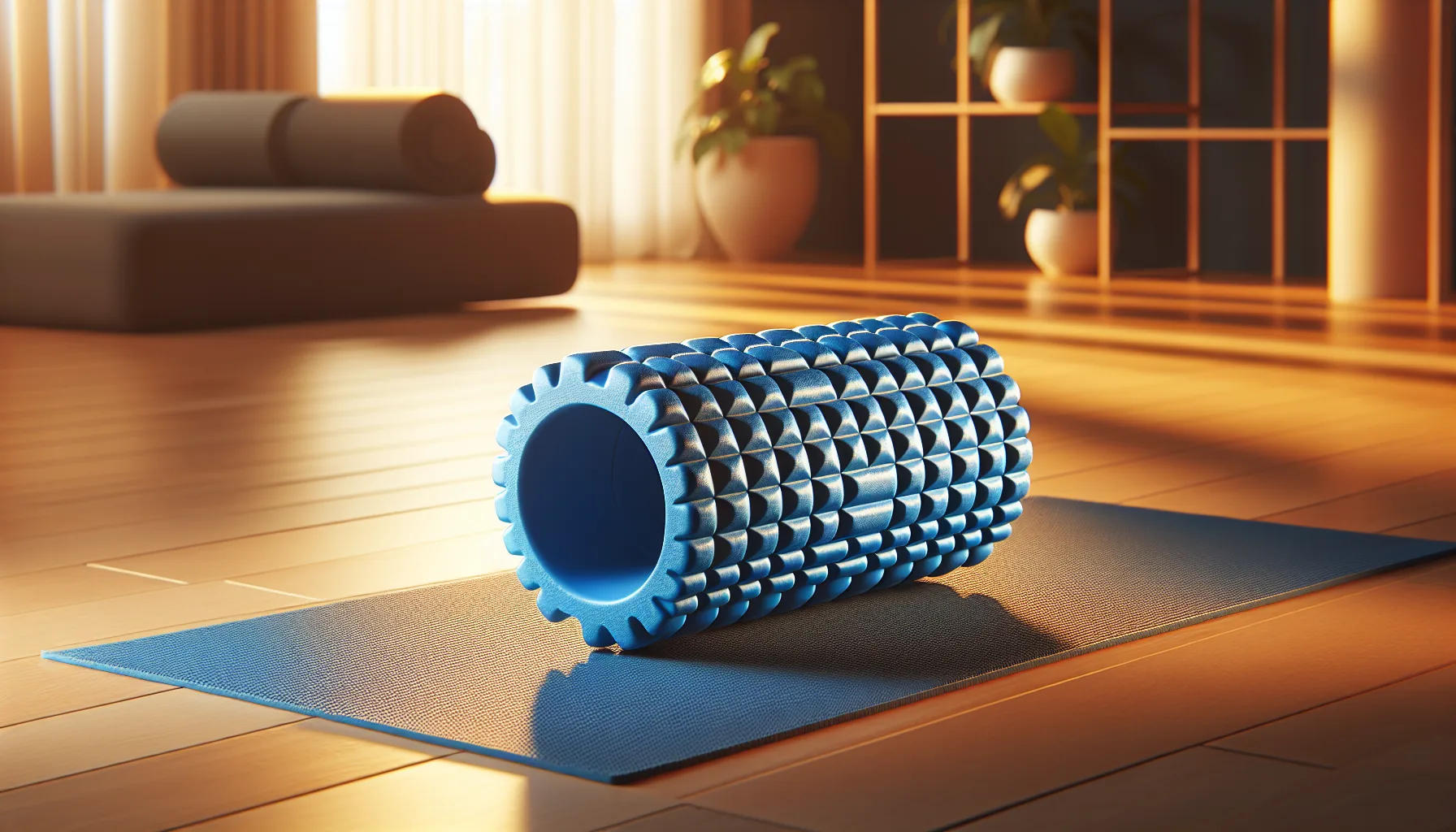
Start on a large muscle such as the calf or front of the thigh. Place the roller on a clear, non-slip floor, support yourself with your hands and the other leg, and move through a small comfortable range. Reduce body weight on the roller if pressure is unpleasant. Breathe normally; a sharp or worsening pain is a reason to stop, not a target to push through.
Avoid rolling directly over joints, bony points or an acutely injured area. If you have unexplained pain, swelling, neurological symptoms or an existing injury, ask an appropriate clinician before treating rolling as a solution. Our foam-rolling technique guide covers positions in more detail; pair any pre-training rolling with the active warm-up your session needs.
For day-to-day use, brief, comfortable bouts are more practical than rigid rules about speed or a promised number of minutes. Clean the surface as directed and inspect a hollow core for damage. Vyper 3 owners also need to follow the charger and battery instructions. A home recovery routine should still prioritise appropriate training load, sleep and food over gadgets.
Which Foam Roller Should You Buy?
Buy the TriggerPoint GRID 1.0 for the best all-round balance of useful length, storage and sturdy textured construction. Start with the Core Balance Smooth 45cm if you want even pressure and are within its stated 90kg load limit. Pick the Amazon Basics 90cm when full-length support is the job, the Core Balance Textured 33cm for a lower-cost grid, the GRID Travel for portability, or the Hyperice Vyper 3 only if vibration is a feature you know you will use.
The main buying mistake is paying for a harder surface or powered model because it sounds more therapeutic. A roller you can use comfortably in your available space is the better purchase. If you are comparing different tools altogether, our massage-gun comparison explains where a handheld tool differs.
Frequently Asked Questions
Are textured foam rollers better than smooth ones?
Not inherently. Texture concentrates pressure and may suit someone who likes a firmer feel; a smooth roller spreads pressure more evenly and is often easier to start with. Choose by comfort, size and the exercise you plan to do.
What length foam roller should I buy?
A 33–45cm roller is a practical first size for many gym users and stores easily. Choose around 90cm if you need wider support for floor or balance exercises; a travel roller is for portability and smaller areas.
Does foam rolling speed muscle recovery?
Evidence suggests possible short-term range-of-motion and perceived-soreness benefits, but it does not establish a guaranteed faster recovery from every workout. Training load, sleep and nutrition still matter.
Is a vibrating foam roller worth buying?
Only if you already know you like the sensation and will use its adjustable settings. The Hyperice Vyper 3 costs much more and needs charging; vibration is not a necessary feature for a first roller.
When should I stop foam rolling?
Stop if the pressure causes sharp, worsening or unusual pain. Do not roll directly over an acute injury or a painful joint, and seek clinical advice for unexplained symptoms or persistent pain.