You are looking at a set of Bowflex SelectTech 552s online. They cost about £350. For the same money, you could buy a full rack of fixed dumbbells from 5-25kg secondhand. The adjustable set replaces 15 pairs of dumbbells in the space of a shoebox. The fixed set fills half your garage but each weight is ready to grab instantly. One is convenient, the other is practical, and neither is obviously wrong.
Adjustable dumbbells have become the default recommendation for home gyms, but the question worth asking is whether they are actually worth the money — or whether the marketing has overtaken the reality. This guide looks at the real-world trade-offs: cost per kilogram, durability, how they feel in your hands, and whether the convenience holds up after six months of daily use. For related guidance, see our Resistance Bands vs Free Weights: Can They Replace Each Other? guide.
In This Article
- What Adjustable Dumbbells Actually Are
- The Case For Adjustable Dumbbells
- The Case Against Adjustable Dumbbells
- Types of Adjustable Dumbbell
- Cost Breakdown: Adjustable vs Fixed
- Who Should Buy Adjustable Dumbbells
- Who Should Buy Fixed Dumbbells Instead
- The Best Adjustable Dumbbells in the UK
- Durability and Long-Term Value
- Common Complaints and Whether They Are Valid
- Frequently Asked Questions
What Adjustable Dumbbells Actually Are
The Concept
An adjustable dumbbell is a single handle that allows you to change the weight by adding or removing plates, twisting a dial, or sliding a pin. Instead of buying 10 pairs of fixed dumbbells (5kg, 7.5kg, 10kg, 12.5kg… up to 30kg), you buy one pair that covers the entire range.
How They Differ From Spinlock Dumbbells
Traditional spinlock dumbbells — a bar with plates and screw collars — are technically adjustable too. But when people say “adjustable dumbbells” in 2026, they typically mean the dial-select or pin-select systems (Bowflex, PowerBlock, NUO, Core Home Fitness) where the weight change takes under 5 seconds. Spinlock dumbbells take 30-60 seconds per change, which slows down any workout that involves supersets or drop sets.
The Case For Adjustable Dumbbells
Space
This is the overwhelming advantage. A pair of adjustable dumbbells that covers 2.5-24kg takes up the same floor space as a pair of trainers. The equivalent in fixed dumbbells — 10 pairs from 2.5kg to 25kg — needs a dumbbell rack about 1.2 metres wide. For anyone training in a spare bedroom, garden shed, or corner of a living room, space is the deciding factor. Our home gym space guide covers the minimum dimensions for different setups.
Cost (At Lower Weight Ranges)
A pair of adjustable dumbbells covering 2.5-24kg costs about £200-400. The same range in fixed dumbbells from a UK retailer like Mirafit or Wolverson costs roughly £400-700 depending on the type (rubber hex, urethane, or iron). The adjustable option saves money if you need a wide range of weights but do not train exceptionally heavy.
Versatility for Beginners
If you are new to weight training, you do not know yet what weights you will need for each exercise. A 12kg dumbbell that is right for a bicep curl is too light for a row and too heavy for a lateral raise. Adjustable dumbbells let you find the right weight for every movement without buying 8 different pairs and discovering that half of them gather dust. Our beginner dumbbell workout covers the basics if you are starting out.
The Case Against Adjustable Dumbbells
Feel
Fixed dumbbells feel like a single, solid object — because they are. Adjustable dumbbells, depending on the mechanism, can feel unbalanced, rattly, or oversized. The Bowflex 552, for example, is noticeably longer than a fixed dumbbell at the same weight because the unused plates sit inside the cradle mechanism. At 10kg, it is the length of a 25kg fixed dumbbell. This makes some exercises awkward — goblet squats with a Bowflex feel like holding a small suitcase.
Durability Concerns
The selection mechanism (dial, pin, or slider) is a point of failure that fixed dumbbells do not have. Drop a fixed rubber hex dumbbell from waist height and nothing happens. Drop most adjustable dumbbells and you risk cracking the selector mechanism. This means you cannot do certain exercises (controlled drops on bench press, for example) and you need to treat them more carefully. The British Weight Lifting organisation notes that proper equipment maintenance is essential for training safety.
Weight Change Speed (In Practice)
Manufacturers claim 5-second weight changes. In reality, with dial-select systems, you need to place the dumbbell back in the cradle perfectly aligned, twist both dials, and lift out again. This takes 8-15 seconds per dumbbell once you account for alignment fiddling. For straight sets with rest periods, this is fine. For drop sets where you need to change weight in 2 seconds, it is too slow.
Maximum Weight Ceiling
Most consumer adjustable dumbbells cap at 24-32kg. Serious lifters who need 40-50kg dumbbells for bench press or rows have very limited options in adjustable format, and the ones that exist (Ironmaster, PowerBlock Elite) are expensive and bulky. If you are already pressing 30kg dumbbells, you will outgrow most adjustable sets within a year.
Types of Adjustable Dumbbell
Dial-Select (Bowflex, Core Home Fitness)
A dial at each end of the handle selects the weight. Twist and lift. The fastest mechanism and the most popular. Downsides: the cradle is mandatory (no free-standing use), and the overall length is larger than fixed dumbbells because unused plates remain in the cradle.
Pin-Select (PowerBlock)
A pin slides into different holes on a stack, similar to a cable machine’s weight stack. Compact, sturdy, and reasonably fast. The square shape takes getting used to — they feel and look different from traditional dumbbells. Some users find the pin fiddly to align.
Selectorised (NUO, MX Select)
A twist of the handle locks or unlocks weight segments. Faster than pin-select, more durable than dial-select, but typically more expensive. The NUO FlexBell is the closest an adjustable dumbbell gets to the feel of a fixed one — compact, balanced, and round-ended.
Spinlock (Budget Option)
A bar with weight plates secured by screw collars. Cheap (about £30-80 for a set), adjustable to any weight you have plates for, and indestructible. The downside is slow weight changes (30-60 seconds to unscrew, swap plates, and re-screw). Fine for basic programmes; frustrating for anything involving supersets.
Cost Breakdown: Adjustable vs Fixed
The Maths (UK Prices, 2026)
- Bowflex SelectTech 552 (2.3-23.8kg pair): about £300-380
- PowerBlock Sport 24 (up to 24kg pair): about £280-350
- NUO FlexBell 32 (up to 32kg pair): about £500-600
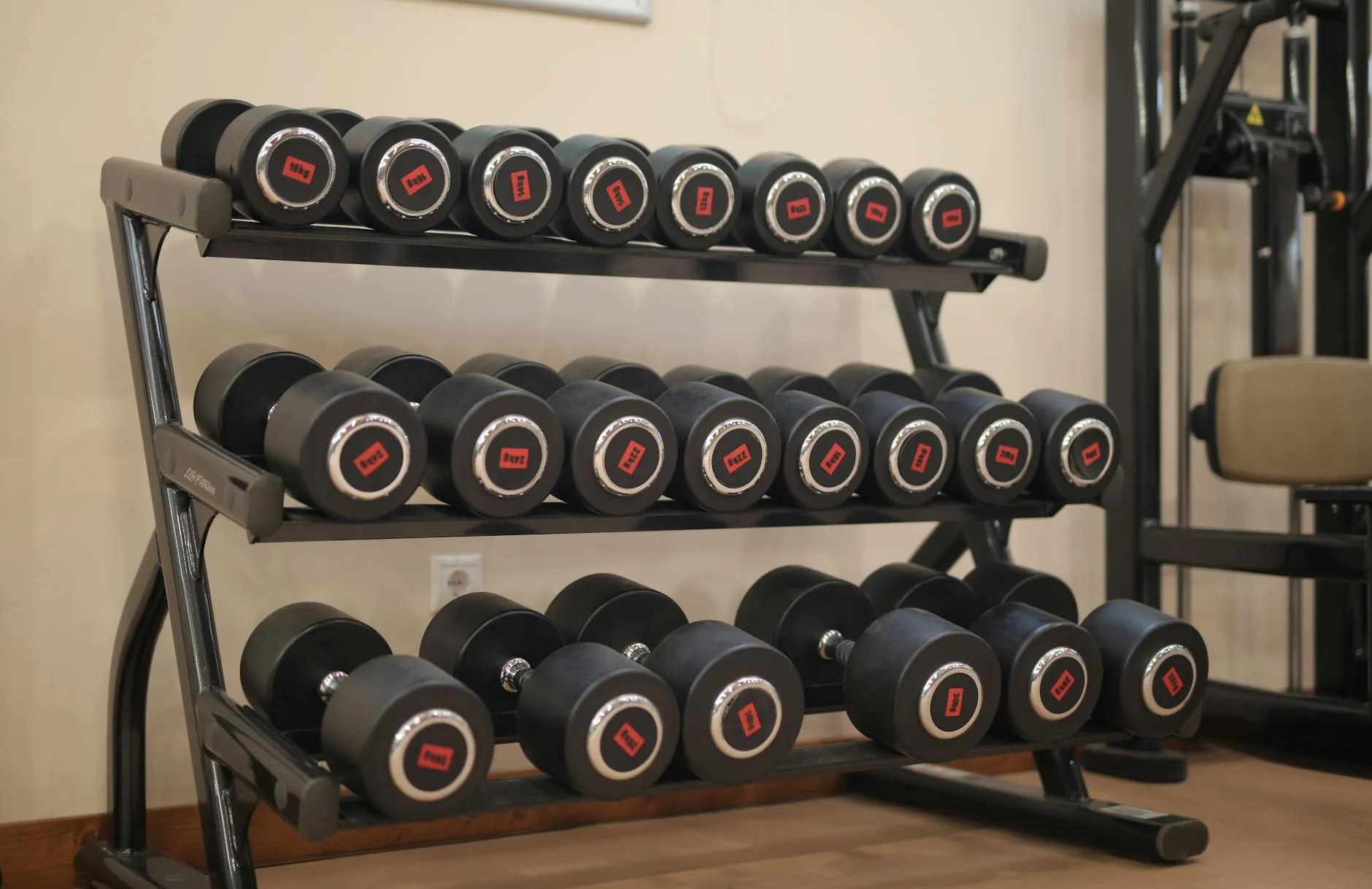
- Fixed rubber hex dumbbells (5-25kg, 9 pairs): about £500-800 from Mirafit, Wolverson, or Body Revolution
- Spinlock dumbbell set (20kg total): about £40-80
The Break-Even Point
If you need weights from 5-25kg (which covers most home training), adjustable dumbbells cost roughly the same as buying the equivalent fixed pairs. The savings come from not needing a dumbbell rack (£80-200) and the floor space you reclaim.
If you only need 3-4 weight options (say 8kg, 12kg, and 16kg for general fitness), buying three pairs of fixed dumbbells is cheaper and simpler than an adjustable set. Our best adjustable dumbbells roundup compares the top options in detail.
Who Should Buy Adjustable Dumbbells
The Ideal Buyer
- Training in a small space (spare bedroom, flat, garden office)
- Needs a range of weights (5-25kg) for varied exercises
- Willing to handle them carefully (no dropping)
- Budget of £250-500 for dumbbells
- Training 3-5 times per week at home
- Does not need above 30kg for any exercise currently
The Pattern
Adjustable dumbbells are best for intermediate home trainers who have outgrown a single pair of fixed dumbbells and need variety, but do not have space for a full rack. If that describes you, they are worth the money.
Who Should Buy Fixed Dumbbells Instead
The Profile
- Has garage or dedicated gym space (floor area is not a constraint)
- Trains heavy (regularly uses 30kg+ dumbbells)
- Values the feel of a solid, single-piece dumbbell
- Does drop sets or explosive movements that require instant weight changes or controlled drops
- Budget allows for gradual accumulation (buy pairs as needed over months)
The Long Game
Fixed dumbbells last forever. Literally. A pair of rubber hex dumbbells from 2010 works identically in 2026. There is nothing to break, nothing to maintain, and the resale value holds. Buying secondhand fixed dumbbells from Facebook Marketplace or Gumtree is often cheaper per kilogram than adjustable, especially if you are patient.
The Best Adjustable Dumbbells in the UK
NUO FlexBell 32 (About £500-600) — Best Overall
The closest thing to a fixed dumbbell in adjustable form. Round ends, compact size, 2kg increments up to 32kg. The twist-lock mechanism is fast and intuitive. The build quality is noticeably better than Bowflex — metal selector, tighter tolerances, no rattle. Expensive, but if you are serious about home training, these are the pair to buy. Available from NUO direct and specialist fitness retailers.
Bowflex SelectTech 552 (About £300-380) — Best Value
The most popular adjustable dumbbell worldwide. 2.3-23.8kg range in 2.3kg increments. The dial mechanism is fast and reliable. The main criticism — overall length at lighter weights — is valid but not a dealbreaker for most exercises. Good availability from Argos, Amazon UK, and Bowflex direct.
PowerBlock Sport 24 (About £280-350) — Best Compact Design
The square shape is unconventional but the compact footprint is unbeatable. At maximum weight, PowerBlocks are shorter than any dial-select at the same weight. The pin-select mechanism is simple and durable. Good for tight spaces where even a Bowflex cradle feels too big. Available from specialist fitness retailers.
Spinlock Dumbbells (About £40-80) — Best Budget
No frills, no mechanism, no compromise on loading capacity. Buy a 20kg spinlock set, add extra plates as you get stronger. They will outlast you. The only downside is the slow weight change. Available from Argos, Decathlon, and every gym equipment retailer in the UK.
Durability and Long-Term Value
What Breaks
- Dial mechanisms (Bowflex) — the dials can crack or strip if dropped or forced. Replacement parts are available but cost £30-50 per dial.
- Pin systems (PowerBlock) — the pin itself is a simple metal rod and rarely fails. The rubber bumpers on the weight segments can wear over time.
- Twist-lock (NUO) — the most durable adjustable mechanism currently available. Few reported failures.
- Spinlock collars — the screw threads can wear, but replacement collars cost £3-5.
The Honest Assessment
If you treat adjustable dumbbells with reasonable care (no dropping, clean and dry storage, replace them in the cradle correctly), they will last 5-10+ years. If you train like you are in a CrossFit box and drop them regularly, they will break within months. Fixed dumbbells tolerate abuse. Adjustable dumbbells do not.
Common Complaints and Whether They Are Valid
“They Feel Weird”
Valid. Adjustable dumbbells are longer, sometimes unbalanced, and never feel exactly like a fixed dumbbell. The NUO FlexBell is the closest, but even those have a different weight distribution. You get used to it within a week or two, but the difference is real.
“The Weight Increments Are Too Large”
Sometimes valid. Bowflex increments are 2.3kg (about 5lb) which is fine for most movements. But for isolation exercises like lateral raises, even 2.3kg jumps can be too much. Some systems offer 1kg or 1.25kg increments — check before buying if small increments matter to you.
“They Are Too Expensive”
Depends on context. Compared to a single pair of fixed dumbbells, yes. Compared to buying 8-10 pairs of fixed dumbbells plus a rack, adjustable is often cheaper. The value proposition depends entirely on how many different weight settings you will actually use. Our guide on choosing the right dumbbell weight helps you figure out what range you need.
“I Will Outgrow Them”
Possibly valid. If you are a beginner pressing 12kg dumbbells and progress steadily, you may hit the 24kg ceiling within 12-18 months on pressing movements. But for most general fitness routines (not powerlifting or bodybuilding), 24-32kg covers the majority of exercises indefinitely.
Frequently Asked Questions
Are adjustable dumbbells worth it for a home gym? Yes, if you train in a small space and need a range of weights from 5-25kg. They save significant floor space and cost roughly the same as buying equivalent fixed pairs plus a rack. The trade-offs are feel (slightly different from fixed dumbbells) and durability (no dropping).
How long do adjustable dumbbells last? With proper care (no dropping, correct cradle placement, dry storage), quality adjustable dumbbells last 5-10+ years. The dial or pin mechanism is the most vulnerable component. Fixed dumbbells last indefinitely by comparison, but the practical lifespan of adjustable sets is more than adequate for most home trainers.
Can you drop adjustable dumbbells? No — or at least, you should not. Dropping damages the selection mechanism and voids most warranties. If your training involves controlled drops (heavy dumbbell bench press, for example), fixed dumbbells are the safer choice.
What is the best adjustable dumbbell in the UK? The NUO FlexBell 32 (about £500-600) is the best overall — compact, well-built, and closest to a fixed dumbbell feel. The Bowflex SelectTech 552 (about £300-380) offers the best value. The PowerBlock Sport 24 (about £280-350) is the most compact option.
Should I buy adjustable or fixed dumbbells? Buy adjustable if space is limited, you need a wide weight range, and you can handle them carefully. Buy fixed if you have space for a rack, train heavy (above 30kg), or prefer the feel and durability of solid dumbbells. Many home gym owners start with adjustable and add fixed pairs later as their training evolves.