A power rack is the better home-gym choice if you lift alone, bench press heavy or want one frame that can grow with your training. A squat stand is better if space, ceiling height and budget are tight, and you are honest about not pushing near-max weights without a spotter. The wrong choice is usually buying a flimsy stand to save £150, then trying to make it behave like a full rack.
In This Article
- The Short Answer
- What Changes Between a Power Rack and a Squat Stand?
- Safety When You Train Alone
- Space, Ceiling Height and Flooring
- Training Flexibility and Upgrade Paths
- Cost: What You Get for Your Money
- Who Should Buy Each One?
- Frequently Asked Questions
The Short Answer
If you have the space and can spend around £350-£700, buy a power rack. It is safer for solo lifting, easier to upgrade and more useful for bench press, pull-ups, pin squats and accessory work. If your budget is closer to £120-£300, or you need something that moves against a garage wall after each session, buy a good squat stand with proper spotter arms.
My default recommendation
For most UK home gyms, I would choose a compact power rack or half rack before a freestanding squat stand. Mirafit, Decathlon, BodyMax, REP Fitness UK and MuscleSquad all sell racks that sit in the £350-£800 range, and the better ones feel like gym equipment rather than temporary scaffolding.
A squat stand still has a place. A Mirafit M120-style adjustable stand, Argos Pro Fitness rack or MuscleSquad folding/stand option can make sense if you are learning the barbell lifts, lifting moderate loads and need to keep the space usable for bikes, bins or a car. Just do not pretend it gives the same safety margin as a full rack.
The decision in one line
Choose a power rack for safety, stability and long-term training. Choose a squat stand for budget, portability and small spaces. If you are split 50/50, buy the rack and make the room work around it.
What Changes Between a Power Rack and a Squat Stand?
The difference is not just size. A power rack surrounds the bar with four uprights, safety bars or straps and usually a pull-up bar. A squat stand is a simpler two-upright setup, sometimes joined by a rear base or pull-up bar, and often relies on separate spotter arms for failed lifts.
Power rack basics
A power rack is a cage. You lift inside it, set the J-cups at the right height, and set safeties just below the lowest point of the lift. If a squat or bench press goes wrong, the bar should land on the safeties rather than on you or the floor.
Good home power racks normally offer:
- Four uprights: more stable than independent stands.
- Safety bars, straps or arms: essential for solo lifting.
- Pull-up bar: useful if ceiling height allows.
- Attachment options: dip handles, landmine, cable pulley, storage pegs.
- Better bench setup: especially for heavy bench press without a spotter.
The trade-off is footprint. Even compact racks take a fixed chunk of room. Once built, you are unlikely to move one before every session unless you enjoy dismantling your own patience.
Squat stand basics
A squat stand gives you adjustable bar rests without a full cage. Some models are two separate uprights. Better ones are connected by a base frame or rear stabiliser. The better versions can work well, but the cheap independent stands are the ones I would be cautious with.
Good squat stands offer:
- Lower cost: basic models start around £100-£180.
- Smaller footprint: useful in flats, sheds and single garages.
- Easier movement: many can be shifted after training.
- Enough function for moderate squats and presses: if the frame is stable and correctly loaded.
- Optional spotter arms: important if you train alone.
The limitation is confidence. When a lift gets heavy, a light stand feels less reassuring. That feeling matters. You should not be thinking about wobble during a hard squat set.
Safety When You Train Alone
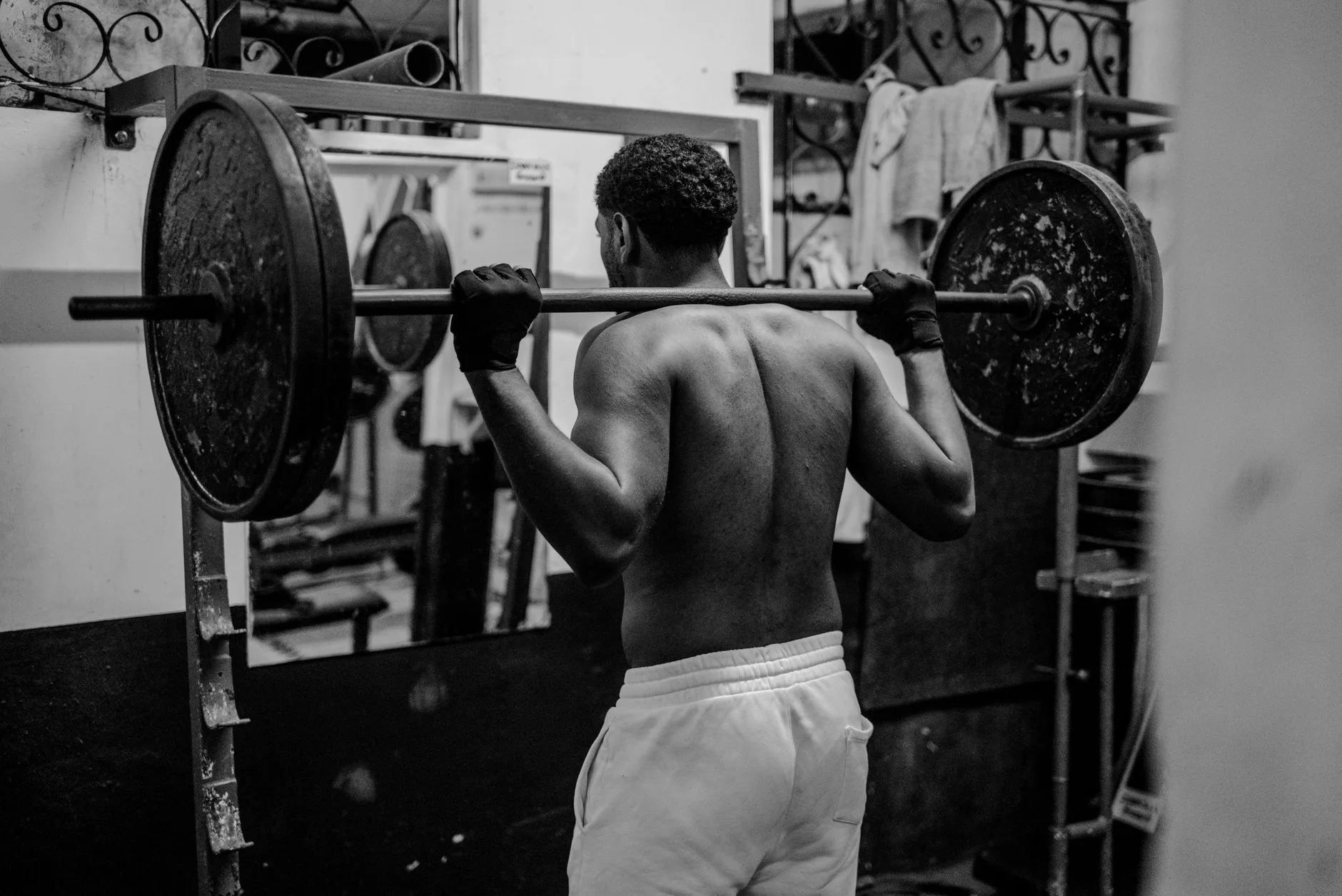
Safety is the biggest difference. If you lift alone at home, a power rack gives you a more controlled failure plan. A squat stand can be safe, but only if it has strong spotter arms and you use them properly.
Failed squats and bench press
For squats, a full rack lets you set safeties just below depth. If you miss a rep, you can lower the bar onto the safeties and step out. With a stand, safety depends on the spotter arms being long enough, rated for the load and placed correctly.
Bench press is where I get more blunt. If you bench press alone, a full rack or half rack with proper safeties is the better choice. Failed bench reps are less forgiving than failed squats because the bar is over your chest and neck. Leaving collars off is not a substitute for safeties. It is a last-ditch workaround, and it makes a horrible noise when plates slide off.
The NHS recommends adults do strengthening activities at least twice a week as part of its physical activity guidance. That does not mean every home lifter needs a cage, but it does mean the setup should encourage regular training without turning each heavy session into a risk calculation.
Stability and load ratings
Look for published load ratings, steel size and frame weight. A rack that weighs 80-120kg before plates will usually feel more planted than a 25kg stand. That does not make every heavy rack good or every light stand bad, but physics is not sentimental.
Check:
- Maximum rack load: not just pull-up bar load.
- J-cup rating: where the bar actually sits.
- Safety-arm rating: vital for failed lifts.
- Base shape: wide feet or rear stabilisers reduce wobble.
- Hole spacing: smaller spacing helps set safeties correctly.
Manufacturers sometimes quote impressive numbers under ideal conditions. Treat them as guidance, not permission to drop a loaded bar from height.
Manual handling still matters
A power rack is not just heavy during lifting. Delivery boxes, uprights, plates and benches all need moving into position. HSE manual handling guidance uses risk filters because load, posture, distance and grip all change the risk. That applies neatly to home gyms: a 60kg box carried through a narrow side gate is not the same as a 20kg plate lifted from a rack.
Build the rack with help if the frame is heavy. Keep plates stored where you do not have to twist awkwardly. Your back does not care that the equipment arrived with free delivery.
Space, Ceiling Height and Flooring
The best rack on paper is useless if it does not fit the room. UK garages, spare rooms and garden offices vary wildly, and ceiling height catches people out more than floor space.
Measure the working area
Do not only measure the rack footprint. Measure the space you need to load plates, walk around the bench and unrack safely. A typical compact rack might need around 120-130cm width and 120-150cm depth, but you also need barbell clearance. A 7ft Olympic bar is about 220cm long, and you need room to load plates on both ends.
For a comfortable home setup, allow:
- Width: rack width plus barbell loading room, ideally 250cm or more.
- Depth: rack depth plus bench movement, usually 180-220cm minimum.
- Height: rack height plus pull-up clearance if you use the bar.
- Front space: enough room to step out, adjust plates and move safely.
Our home gym space guide is worth checking before you order anything large. Cardboard on the floor is a surprisingly useful planning tool. Tape out the footprint, put a bench inside it, then ask yourself whether you can still open the garage door.
Ceiling height and pull-ups
Many power racks are around 210-230cm tall. That can be too high for garages with beams, low garden rooms or spare bedrooms. Short racks exist, but pull-ups may be cramped. Squat stands are often lower and easier to fit under awkward ceilings.
If pull-ups matter, measure from the floor to the ceiling and allow head clearance above the bar. If pull-ups do not matter, a lower half rack or stand may be more sensible than buying a full-height rack you cannot use properly.
Flooring and anchoring
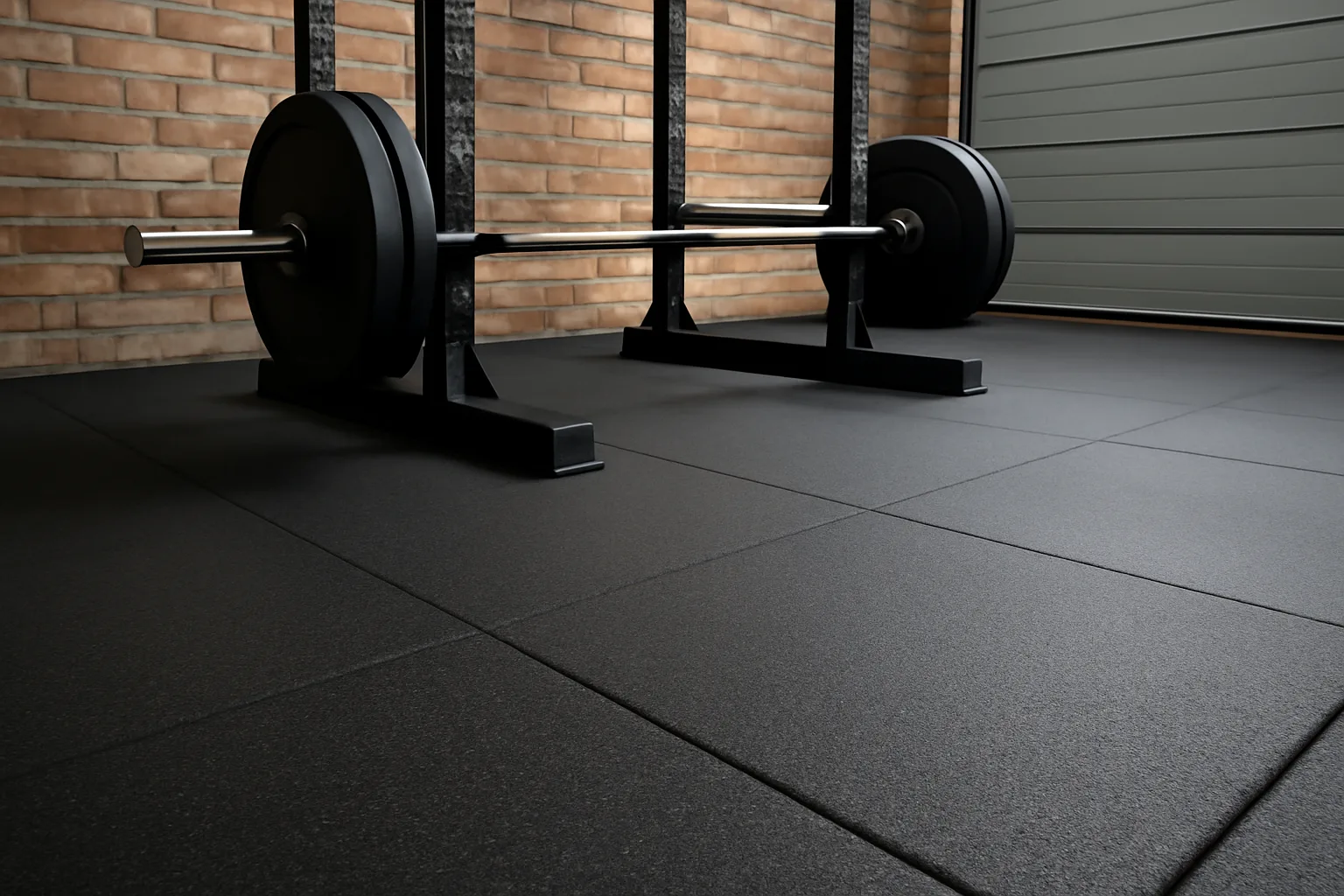
Rubber flooring is not optional if you lift on concrete, tiles or a timber floor you care about. Basic 15-20mm rubber mats can cost around £25-£50 per square metre. Proper gym tiles or thicker garage mats can cost more, but they protect the floor and reduce noise.
Power racks may need anchoring if they are light, used with bands, fitted with a pulley or used for aggressive pull-ups. Squat stands are harder to anchor cleanly unless designed for it. I have covered the drilling side separately in how to anchor a power rack to your garage floor, so the short version here is simple: if the rack moves during normal use, fix the setup before adding weight.
Noise matters too. Dropping a bar into safeties in a garage can sound like a skip being delivered. Our home gym noise guide covers mats, platforms and neighbour-friendly habits.
Training Flexibility and Upgrade Paths
A power rack gives you more training options. A squat stand gives you the essentials. Which matters more depends on how you train now and how likely you are to keep progressing.
Exercises a power rack handles better
A full rack is better for:
- Back squats: safer failure options.
- Bench press: better solo safety.
- Rack pulls: if the rack and safeties are rated for it.
- Pin squats and pause work: easier with accurate safety height.
- Pull-ups and hanging raises: if ceiling height allows.
- Band work: more anchor points on a stable frame.
It also keeps the gym organised. Plate storage pegs, dip handles and cable attachments can turn a rack into the centre of the room rather than one more piece of kit.
Exercises a squat stand handles well
A good squat stand is fine for:
- Moderate back squats.
- Front squats.
- Overhead press.
- Bench press with spotter arms.
- Barbell rows from the floor.
- General beginner strength work.
If your training is simple and you do not lift near failure, a stand can be enough for years. Pair it with adjustable dumbbells and a bench and you have a compact setup. Our home gym on a budget guide makes the same point: the best starter gym is the one you use three times a week, not the one that photographs well.
Upgrade path and resale
Power racks usually win on upgrades. Better racks use common hole sizes and attachment systems, so you can add dip bars, landmines, cable pulleys or storage later. Cheap stands often have limited accessories, odd hole spacing and weaker spotter options.
Resale is better for known brands. Mirafit, BodyMax, BLK BOX, REP Fitness, Rogue and Decathlon kit is easier to sell than an unbranded marketplace rack. If you are buying second-hand, check for bent uprights, missing safeties, rust around welds and hacked-together bolts. Saving £80 is not clever if the J-cups are damaged.
Cost: What You Get for Your Money
The price gap is real, but it is not as simple as “stand cheap, rack expensive”. The stand may need spotter arms, a pull-up solution, weight storage and better flooring before it feels complete.
Squat stand price ranges
Expect roughly:
- Budget independent stands: £70-£140 from Amazon UK, eBay or marketplace brands. I would avoid these for heavy lifting.
- Basic connected squat racks: £120-£250 from Argos, Decathlon or entry-level brands.
- Good squat stands with spotter arms: £220-£400 from Mirafit, MuscleSquad, BodyMax or similar.
- Folding wall racks: £250-£500 depending on brand and fixings.
The minimum I would buy for serious barbell work is a connected stand with long spotter arms. A pair of independent uprights without safeties is fine for light technique work, but not for regular solo benching.
Power rack price ranges
Expect roughly:
- Entry power racks: £300-£450, often from Decathlon, Mirafit, BodyMax or MuscleSquad.
- Mid-range home racks: £450-£800, usually better steel, safeties and attachment options.
- Premium modular racks: £800-£1,500+ from REP Fitness, BLK BOX, Rogue-style systems or commercial suppliers.
- All-in-one racks with cable stacks: £900-£2,500+, useful but easy to overbuy.
Mirafit lists several rack and stand options around the £250-£400 mark, while Argos has carried Decathlon cage-style racks around £450. Prices move with sales, so check current delivery cost as well. A rack that looks £60 cheaper can lose that advantage when delivery adds another £50.
If you want named model comparisons after deciding on the format, use our best squat racks UK guide as the next step. Do the rack-versus-stand decision first, then compare products inside the right category.
Hidden costs
Budget for the boring bits:
- Rubber flooring: £80-£250 for a useful rack area.
- Bench: £80-£250 for a stable flat or adjustable bench.
- Olympic bar: £100-£250 for a decent starter bar.
- Plates: often £2-£4 per kg new, less second-hand.
- Collars: £10-£30.
- Storage pegs or plate tree: £30-£120.
That is why the rack-versus-stand decision should sit inside the whole gym budget. A £600 rack with a wobbly £45 bench is the wrong allocation.
Who Should Buy Each One?
Here is the clean decision. If you still feel torn after this section, choose the safer option and buy the rack.
Buy a power rack if…
Buy a power rack if:
- You lift alone most of the time.
- You bench press without a spotter.
- You want pull-ups, dips or cable attachments later.
- You have a garage, garden room or spare room with fixed gym space.
- You plan to keep adding weight over the next year.
- You hate equipment that wobbles.
My pick for a typical garage gym would be a compact power rack or half rack around £400-£700, plus proper rubber flooring and a stable bench. That setup is not cheap, but it is the point where home lifting starts to feel settled rather than improvised.
Buy a squat stand if…
Buy a squat stand if:
- You need to move the setup after training.
- You have low ceilings or a narrow room.
- Your budget is under £300.
- You train with moderate loads and avoid near-failure solo benching.
- You already have a spotter or mostly squat/press rather than bench.
- You are testing whether barbell training will stick.
Buy the best stand you can justify, and include spotter arms in the budget. A cheap stand plus no safety arms is not minimalist. It is just unfinished.
Biggest mistake people make
The biggest mistake is buying for the first month, not the second year. Beginners underestimate how quickly a light stand can feel limiting once squats and bench press progress. Experienced lifters underestimate how annoying a full rack is if it blocks the garage every day.
Be honest about the room and the training. If space is fixed and small, a stand might be the right compromise. If you have the footprint, the rack is the better long-term buy.
Frequently Asked Questions
Is a power rack safer than a squat stand? Yes, for most solo lifters. A power rack gives better safety options for failed squats and bench press, provided the safeties are set correctly.
Can you bench press safely with a squat stand? You can, but only with strong, correctly positioned spotter arms. A stand without safeties is a poor choice for solo bench press.
How much should I spend on a home power rack? Most UK home lifters should budget about £350-£800 for the rack itself, then allow extra for flooring, a bench, barbell and plates.
Do power racks need to be bolted down? Not always. Heavy racks can be stable without anchoring, but light racks, band work, pull-ups and cable attachments may need floor fixing or extra weight storage.
Is a squat stand enough for beginners? A good connected squat stand can be enough for beginners, especially with moderate weights. Add spotter arms and upgrade if you start lifting alone near failure.
What ceiling height do I need for a power rack? Many home racks are around 210-230cm tall, and pull-ups need extra head clearance. Measure the room before ordering, especially in garages and garden offices.