If you want low-impact cardio at home, the machine needs to fit your stride, your room and the way you actually train. The Dripex 3-in-1 is our best overall because it covers elliptical workouts, stepping and a more compact exercise pattern in one machine. The five picks below cover different budgets, body sizes and rooms without pretending one machine suits everyone.
In This Article
- Best Elliptical Trainers 2026 UK Shortlist
- How We Chose
- Comparison and Quick Verdict
- Best Elliptical Trainers Reviewed
- Who Should Buy an Elliptical Trainer?
- How to Choose the Right Elliptical Trainer
- Setup, Space and Maintenance Costs
- Bottom Line
- Frequently Asked Questions
Best Elliptical Trainers 2026 UK Shortlist
A good cross trainer should feel stable, give you enough room to move naturally and offer resistance you can progress. We compared useful specifications, intended use and UK support rather than ranking machines by the size of the console.
Our five picks
- Best overall: Dripex 3-in-1 Cross Trainer
- Best compact option: JLL Smart Cross Trainer
- Best premium and heavy-duty: MERACH Long Stride Cross Trainer
- Best established mid-range design: Viavito Sina
- Best longer-stride, app-connected option: Aeriflo M100
If I were choosing for a typical spare room, the Dripex 3-in-1 would be my starting point because its multiple movement modes make better use of the floor space. Taller users and anyone sensitive to a short, choppy pedal path should look closely at the Aeriflo M100 instead: its listed 42cm stride is the strongest reason to spend more.
How We Chose
We compared the specifications that decide whether an elliptical trainer works in a real UK home: stride length, pedal path, resistance system, flywheel, user limit, operating footprint, ceiling clearance, assembly and support. Each machine also needed a distinct reason to buy it. Five near-identical compact trainers would not help readers choose.
This is a specification-led comparison, not a claim that we laboratory-tested every machine. Dimensions, capacity and features come from current manufacturer or retailer information and should be confirmed before ordering. We gave more weight to useful fit information than to unverified noise, calorie or muscle-engagement percentages.
Elliptical trainer or cross trainer?
UK retailers use “elliptical trainer” and “cross trainer” almost interchangeably. Both keep your feet on the pedals and guide them around an oval path. Moving handles can bring your upper body into the session; fixed handles are useful when you want to concentrate on balance or your legs.
That differs from a treadmill, where each step lands through your feet and legs, and from an exercise bike, where the saddle supports your body weight. If you are still choosing a cardio format, our rowing machine versus exercise bike comparison explains how two other popular options feel.
Head-to-Head: Which One Should You Buy?
The right choice depends on the constraint you cannot change. Start with the tallest user and available room, then decide whether hybrid movement or app connectivity adds real value.
| Model | Our verdict | Listed stride | Best for | Main compromise |
|---|---|---|---|---|
| Dripex 3-in-1 | Best overall | 29cm horizontal | Varied movement | Steeper, shorter path |
| JLL Compact | Best compact/budget | 28cm | Small rooms | Short stride |
| MERACH Long Stride | Best premium/heavy-duty | 47cm | Taller/heavier users | Size and price |
| Viavito Sina | Best established mid-range | 38cm | Fine resistance control | Shorter stride |
| Aeriflo M100 | Best longer-stride value | 42cm | Taller users and apps | Newer brand |
Our recommendation
Buy the Dripex 3-in-1 if you want the broadest workout variety at a sensible mid-range price. Choose the JLL when space and budget dominate the decision. The Aeriflo M100 is the stronger longer-stride value choice, while the MERACH is for users who need the longest path and highest stated capacity.
The Viavito remains the conventional option for buyers who prefer an established fitness brand and finer electronic resistance control. The biggest mistake is buying on app features or resistance-level count before checking stride, ceiling clearance and the returns process.
Best Elliptical Trainers Reviewed
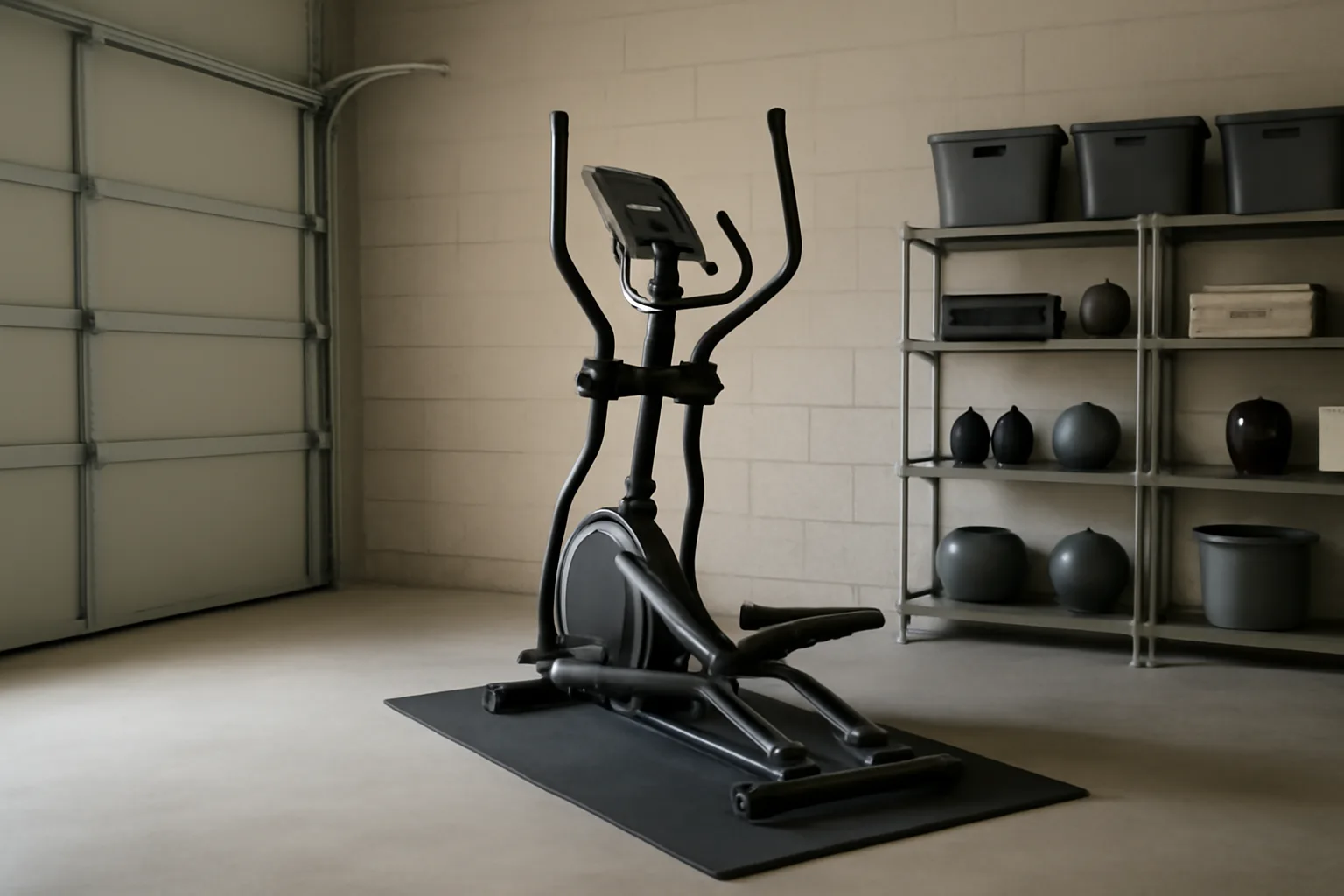
These five elliptical trainers suit different spaces, budgets and training styles. The Dripex is the strongest all-rounder, while the JLL favours compact rooms, the Viavito offers finer resistance control, the Aeriflo gives taller users a longer listed stride and the MERACH provides the premium heavy-duty option.
1. Dripex 3-in-1 Cross Trainer — best overall
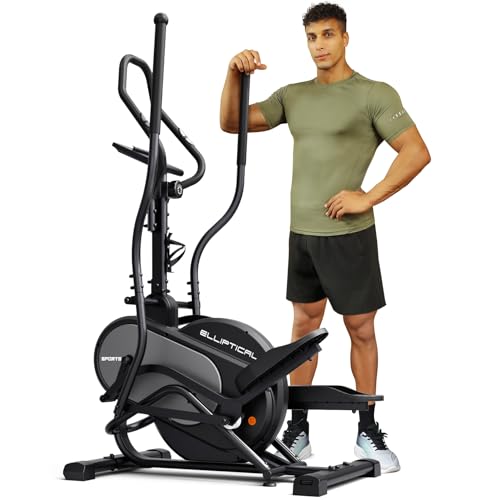
The Dripex is the most versatile choice in the shortlist. Its front-drive design combines an elliptical glide with a steeper climbing action, supported by a listed 8kg flywheel and 16 magnetic resistance levels. At 42kg, it should feel more planted than many lightweight entry-level machines.
The movement pattern is the reason to buy it, but also the limitation. A listed 29cm horizontal stride is shorter than the Aeriflo M100 and MERACH, so taller users seeking a flatter gym-style path should compare those models first.
- Buy it if: you want varied stepping and elliptical-style cardio from one machine.
- Skip it if: a long, flat stride is your main requirement.
- Main compromise: the shorter listed horizontal path may feel steep for taller users.
2. JLL Compact Magnetic Cross Trainer — best compact and budget option
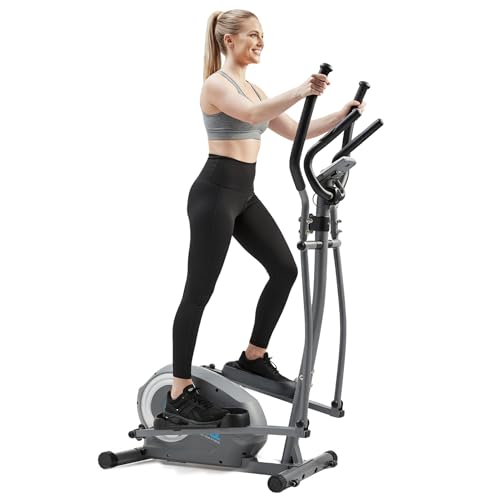
The JLL is the easiest recommendation when floor space and budget set the limits. Its listed footprint is 100 × 67cm, with a 28cm bidirectional stride, 5kg flywheel and eight manually adjusted magnetic resistance levels. The battery-powered console also avoids positioning the machine beside a socket.
That 28cm stride is compact by design. It can suit controlled home sessions, but taller users or anyone accustomed to a commercial elliptical may find it more step-like than the Aeriflo or MERACH.
- Buy it if: you need a compact magnetic trainer at the lowest price in this shortlist.
- Skip it if: the tallest user needs a long, open stride.
- Main compromise: space saving comes with a short 28cm listed stride.
3. MERACH Long Stride Cross Trainer — best premium and heavy-duty option

The MERACH is the specialist long-stride choice. It lists a 47cm stride, 16 electromagnetic resistance levels, a 180kg maximum user weight and a self-generating power system, so it does not need to remain beside a wall socket.
Its 148.8 × 56.6cm listed footprint is long, and the purchase price is substantially higher than the JLL or Dripex. It makes sense for taller or heavier users who will train regularly, not for someone wanting occasional light cardio in a shared room.
- Buy it if: stride length, higher user capacity and self-powered operation justify the premium.
- Skip it if: the machine must fit a small spare room or modest budget.
- Main compromise: it is the largest and most expensive recommendation.
4. Viavito Sina — best established mid-range design

The Viavito Sina is the conventional mid-range choice. Its listed 9kg flywheel, 38cm stride and 32 computer-controlled resistance levels give buyers clearer training specifications than many generic marketplace machines. Bluetooth support and a wireless heart-rate receiver add useful progression options.
The 38cm stride is the key limitation. It may suit shorter and average-height users, but taller users should compare it directly with the Aeriflo’s 42cm and MERACH’s 47cm paths. Its 47kg frame also needs more deliberate positioning than a compact entry-level machine.
- Buy it if: you value a conventional design, fine resistance adjustment and established UK fitness branding.
- Skip it if: you are tall enough to find a 38cm stride restrictive.
- Main compromise: the stride is shorter than the Aeriflo and MERACH.
5. Aeriflo M100 — best longer-stride value

The Aeriflo M100 has the strongest balance for taller users who do not need the MERACH’s premium capacity. It lists a 42cm stride, 8kg flywheel, 16 magnetic resistance levels and a 150kg maximum user weight, plus Bluetooth support for Kinomap and Zwift.
Its frame is narrower than the MERACH, although the complete operating clearance still needs measuring around the moving handles. Aeriflo is also a less established fitness-equipment name than Viavito, so warranty wording, seller identity and spare-parts support deserve close attention.
- Buy it if: you want a longer stride and app connectivity without moving to the MERACH price.
- Skip it if: established after-sales support matters more than the specification sheet.
- Main compromise: the brand has a shorter UK track record than Viavito or JLL.
Who Should Buy an Elliptical Trainer?
An elliptical suits people who want repeatable indoor cardio without the repeated landing impact of running. It can work well for beginners, runners adding lower-impact sessions and households that need a quieter machine than a treadmill.
Where it makes sense
- Regular steady cardio: the continuous movement is well suited to controlled 20–45 minute sessions.
- Indoor consistency: rain, dark evenings and childcare are less likely to derail a workout at home.
- Shared living: a magnetic cross trainer avoids the repeated footfall of a treadmill, although the frame can still transmit vibration.
- Whole-body movement: moving handles let you involve your arms rather than leaving them passive.
- Varied intensity: resistance changes can take you from an easy warm-up to demanding intervals.
The NHS physical activity guidance recommends weekly moderate or vigorous activity alongside strength work. A cross trainer can cover the aerobic part, but it should not replace resistance training entirely.
When to buy something else
Do not buy one if strength is your main goal; adjustable dumbbells, a bench or a rack will do more for that. Our home gym equipment guide helps prioritise those purchases.
I would also be cautious with any cross trainer whose stride, dimensions or maximum user weight are unclear. Low price does not rescue a pedal path that feels cramped after five minutes. If you have persistent joint pain or are returning after injury, take clinical advice rather than treating “low impact” as a guarantee that every movement will suit you.
How to Choose the Right Elliptical Trainer
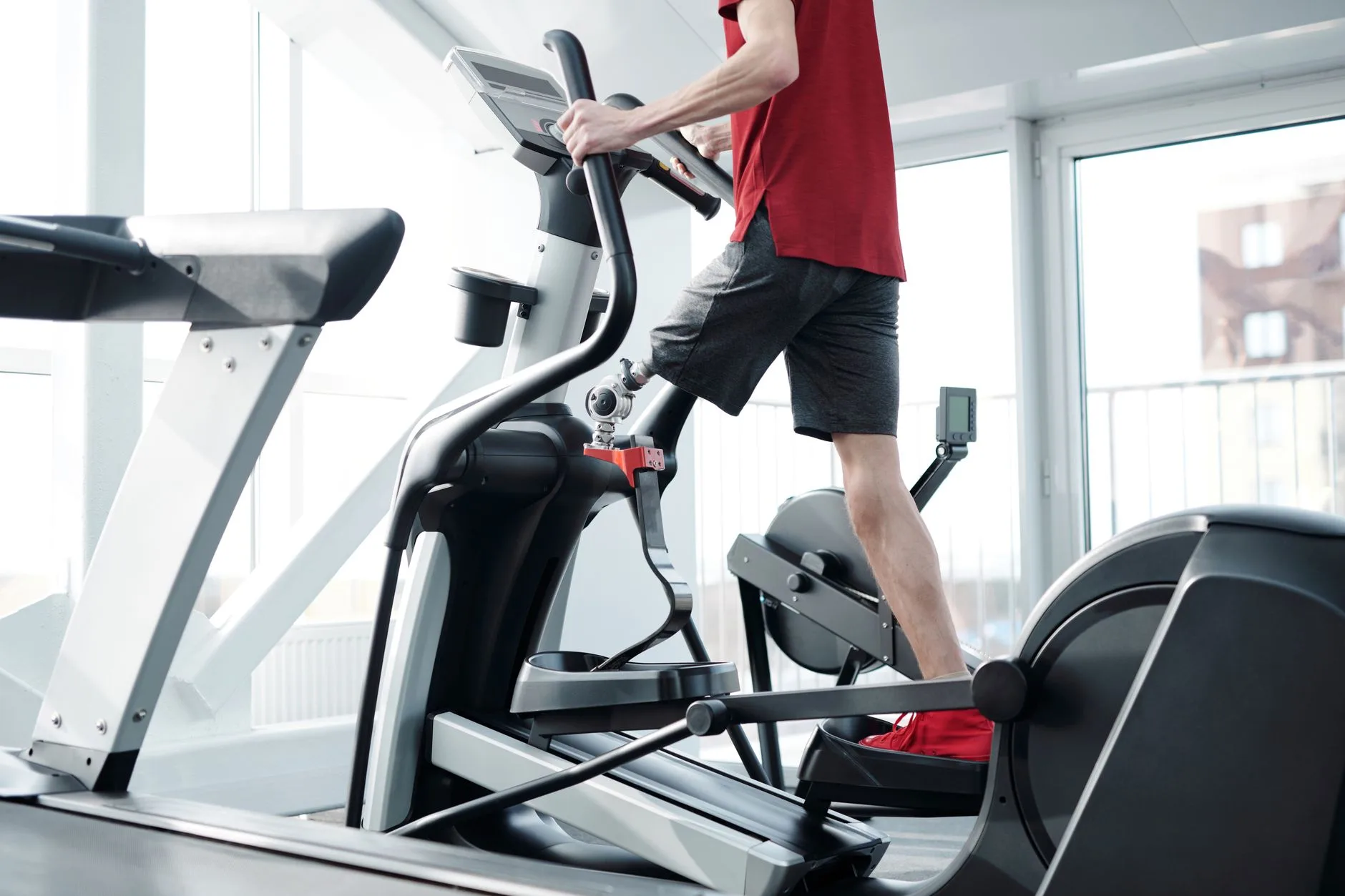
Ignore the long feature list until you have checked the fundamentals. Stride length, footprint, stability, resistance and access for delivery have more effect on daily use than an app badge.
Stride length and pedal path
Stride is the first specification I would compare. A short path can feel more like stepping up and down; a longer path tends to suit taller users and faster sessions. There is no perfect number for everyone because pedal spacing, incline and your own proportions also change the feel.
- Compact models: useful where floor space is tight, but check that the motion does not feel restricted.
- Mid-length strides: a sensible compromise for many average-height adults.
- Longer strides: generally the safer shortlist for taller users or anyone wanting a flatter, more natural motion.
The Aeriflo M100 lists a 42cm stride, so it has the clearest specification in this group for buyers worried about cramped movement. Try any machine before purchase when possible, particularly if two users differ greatly in height.
Resistance, flywheel and stability
Magnetic resistance is a good fit for home training because it changes load without a friction pad rubbing against the flywheel. The number of levels tells you how finely it can be adjusted, not how hard the top setting will feel.
Flywheel weight can help smooth the motion, but it should not be judged alone. Frame geometry, bearings and build quality matter too. The Viavito Sina lists a 9kg flywheel, while the Aeriflo lists 8kg and 16 resistance levels. Those figures help comparison, but neither proves comfort without considering stride and frame stability.
Space, height and user weight
Measure length and width at the floor, then add room for moving handles and side access. Pedals also raise you above the floor, which matters beneath low garage ceilings. The Aeriflo is listed at roughly 112 × 55 × 150cm, but check the live seller specification before ordering because marketplace variants can change.
Use the maximum user weight as a limit, not a target. Leave sensible headroom if a heavier adult will train hard. Our home gym space guide covers clearance around cardio and strength equipment.
Apps, console and support
Bluetooth can be useful if it connects to an app you already enjoy. The Aeriflo lists Kinomap and Zwift connectivity, while the JLL is positioned as a smart compact model. Treat connectivity as a bonus: apps, compatibility and subscription terms can change, whereas a comfortable stride remains useful for the life of the machine.
For marketplace brands, inspect the warranty wording, seller identity, return process and spare-parts route before paying. A large machine is awkward and expensive to return, so support matters more here than it does for a small fitness accessory.
Setup, Space and Maintenance Costs
A cross trainer is a bulky delivery, not a gadget you casually return at the post office. Plan its route through doors and stairs, decide where it will live permanently and protect the floor before assembly.
Before delivery
- Measure the route: check the narrowest doorway, turn and staircase, not only the final room.
- Protect the floor: use a suitable mat on timber, laminate or concrete; our UK gym flooring guide compares the main options.
- Allow handle clearance: moving arms can hit a wall even when the base appears to fit.
- Check ceiling height: add your height, pedal rise and a safety margin.
- Arrange help: many machines require two people for safe positioning and assembly.
Noise and maintenance
Magnetic resistance is quiet, but the complete machine is not silent. Pedal joints can squeak, frames can rock on uneven floors and energetic sessions can send vibration through a ceiling. Level the feet, tighten fasteners after the first few workouts and wipe sweat from the console and handles.
Keep the pedal tracks and moving joints clean according to the manual, and stop if you hear persistent knocking or feel new lateral play. If you share walls or floors, our home gym noise guide has practical placement advice.
Bottom Line
The Dripex 3-in-1 is the best overall choice because it offers useful workout variety at a sensible mid-range price. The JLL is the compact budget pick, while the MERACH is the premium choice for a longer stride and higher stated user capacity.
Choose the Viavito Sina for a familiar mid-range specification set. Choose the Aeriflo M100 when you want a listed 42cm path and 150kg limit without paying for the larger MERACH. Whichever you buy, check the live dimensions, seller, warranty and return terms before checkout.
Frequently Asked Questions
What is the best elliptical trainer UK buyers should choose? The Dripex 3-in-1 is our best overall for workout variety. Taller users should compare the 42cm Aeriflo M100 with the premium 47cm MERACH.
Are elliptical trainers suitable for bad knees? They avoid the repeated landing impact of running, but that does not make every machine or workout suitable for every knee problem. Start gently and seek medical advice for persistent pain or injury.
What stride length should I choose? The right stride depends on your height, proportions and the machine’s pedal path. Taller users commonly prefer a longer stride; try the machine where possible or choose a seller with workable returns.
Is a cross trainer better than an exercise bike? A cross trainer gives you standing, whole-body movement. An exercise bike is usually smaller and supports your weight through the saddle. A dedicated exercise bike is usually the better choice if seated training is central to your routine.
Can I use an elliptical trainer in a flat? Often, yes. Choose magnetic resistance, use a dense floor mat, level the machine and avoid hard intervals at antisocial hours. Structural vibration can still travel to neighbours below.
Do elliptical trainers require much maintenance? Routine work is usually limited to cleaning, checking bolts, inspecting pedals and following the lubrication guidance in the manual. Persistent noise, looseness or resistance faults need attention.