You’ve just finished a tough weights session, your hamstrings are screaming, and you’re standing in Decathlon staring at a wall of foam rollers, yoga mats, and massage guns wondering which ones are actually worth buying. Or maybe you’ve been meaning to start yoga at home for months, but every time you look online there are 200 mats, 50 blocks, and a dozen different resistance bands all claiming to be “the best.” Sound familiar?
The yoga and recovery uk market has exploded in recent years, and for good reason. Whether you’re a regular gym-goer who needs proper post-workout recovery tools, or you want to build a daily yoga practice in your spare room, the right equipment makes a real difference. The wrong equipment — a mat that slides on carpet, a foam roller that’s too soft to do anything useful — just collects dust.
I’ve spent years testing recovery and yoga gear, and the truth is you don’t need much. But what you do buy needs to be right. Here’s how to make smart choices without wasting money.
Why Recovery Deserves as Much Attention as Training
Most people spend hours researching their next pair of trainers or choosing a home gym setup but give zero thought to recovery. That’s backwards. Your body doesn’t get stronger during a workout — it gets stronger during recovery. Skip that part and you’re just accumulating fatigue, tightness, and eventually injury.
Yoga and dedicated recovery work fix the problems that heavy training creates. Tight hip flexors from sitting at a desk all day then squatting heavy? Yoga. Knotted calves from running? Foam roller. Stiff shoulders from bench pressing? Mobility work with a resistance band. These aren’t luxury add-ons — they’re maintenance, like servicing your car.
The NHS recommends that adults do flexibility and balance activities at least twice a week. And yet most home gym setups I see are all about lifting and cardio with nothing for recovery. If you’re already training with heart rate zones, you know how important structured recovery is between intense sessions.
Yoga Mats: The Foundation of Everything
Your mat is the single most important purchase. Get this wrong and everything else suffers — your knees hurt in low lunge, your hands slide in downward dog, and you avoid practising because it’s uncomfortable.
Thickness
- 3-4mm — the standard for yoga. Thin enough to feel the floor for balance poses, thick enough to cushion your knees. This is what most studios use and what I’d recommend for most people
- 5-6mm — better if you mainly do restorative or yin yoga where you’re holding floor poses for minutes at a time. Also good if you have sensitive joints
- 8mm+ — these are really fitness mats, not yoga mats. Fine for stretching and bodyweight work, but too squishy for balance poses. Your ankles will wobble in warrior III
Material
- PVC — cheap (about £10-20 from Argos or Amazon UK), decent grip when new, but gets slippery with sweat and isn’t eco-friendly. Fine as a starter mat
- TPE (thermoplastic elastomer) — mid-range (£20-40), lighter than PVC, better eco credentials, good grip. The sweet spot for most people
- Natural rubber — premium (£40-80+), excellent grip even when wet, heavy (2-3kg), fantastic durability. The Liforme mat at about £75 from John Lewis is the gold standard but truthfully overkill unless you’re practising daily
- Cork top — natural antimicrobial properties, grip improves with moisture. Great if your hands sweat. About £30-50 from Amazon UK
What I’d Actually Buy
For most people starting out, a TPE mat in the 4-5mm range is the right call. The Yogamatters Sticky Yoga Mat (about £25) or the Decathlon Comfort Yoga Mat (about £20) are both solid. If you’re practising three or more times a week, step up to a natural rubber mat — the grip difference is night and day.
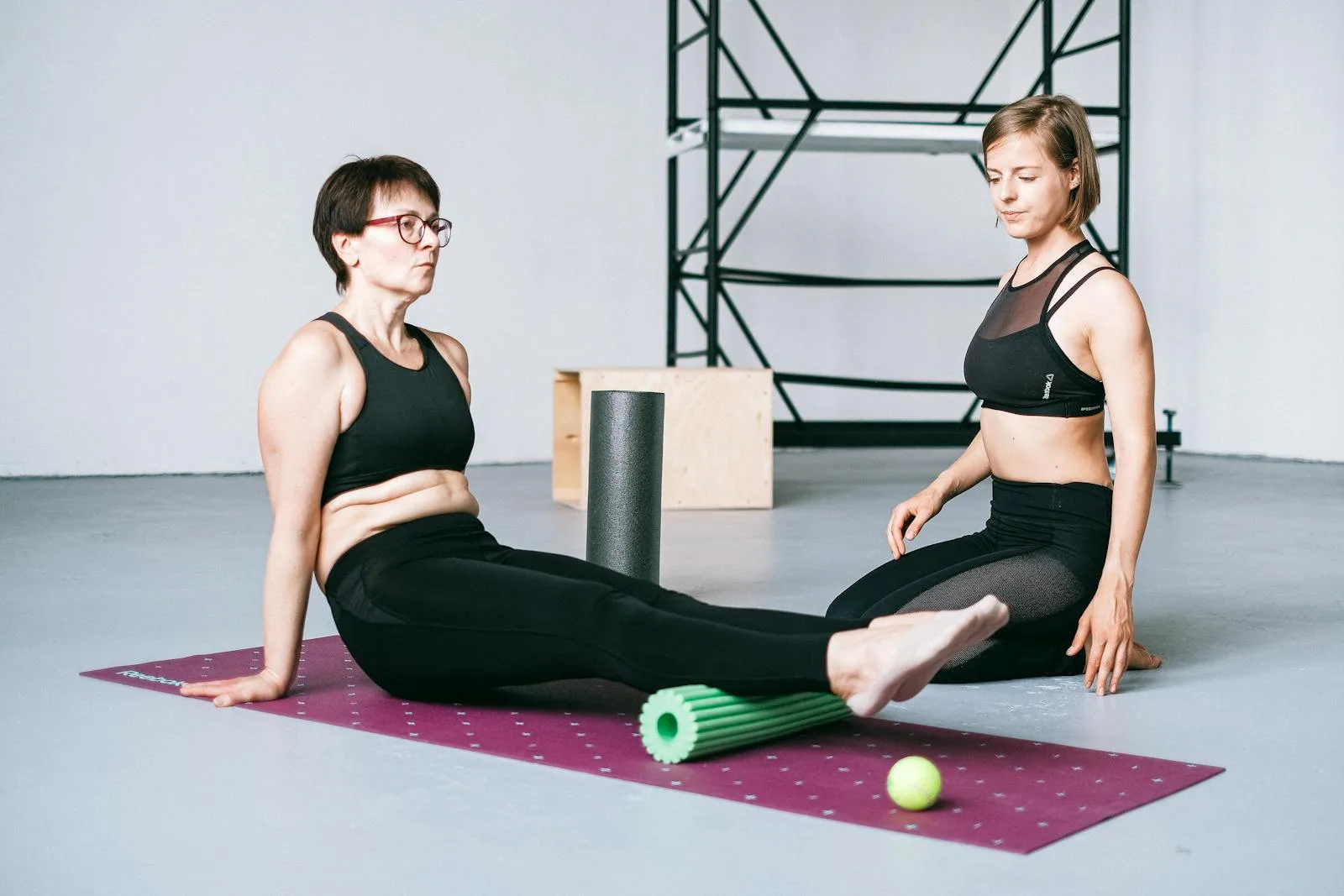
Foam Rollers and Massage Tools
After your mat, recovery tools are where your money goes furthest. A good foam roller costs about £15-30 and lasts for years. Compare that to a single sports massage at £50-70 and the maths is obvious.
Foam Roller Types
- Smooth EVA foam — the classic. Gentle pressure, good for beginners and general maintenance. About £10-15 from Argos
- Textured/grid pattern — slightly more intense, better for working into specific areas like IT bands and calves. The TriggerPoint GRID (about £30 from Amazon UK) is the one everyone recommends, and for once the hype is deserved
- Vibrating rollers — battery-powered vibration adds another dimension. Effective but pricey (£60-100+). Worth it if you train hard five or more days a week, overkill for casual use
- Firm/high-density — intense pressure, not for beginners. If you’ve been rolling for months and the standard roller feels like nothing, step up to one of these
Length Matters
A 90cm roller lets you lie lengthways along it for chest-opening stretches and thoracic spine work. A 30-45cm roller is more portable and fine for legs, but you lose that versatility. If space isn’t an issue, go long.
Massage Balls and Lacrosse Balls
A simple lacrosse ball (about £3-5) is one of the most effective recovery tools you can own. It gets into spots a foam roller can’t reach — between your shoulder blades, into your glutes, under your feet for plantar fasciitis. Buy two and keep one at your desk.
Massage Guns
The market has been flooded with cheap massage guns since 2020. Most of the budget ones (under £40) are loud, weak, and have batteries that die after 20 minutes. If you want one that actually works, expect to spend £80-150. The Theragun Mini (about £150) is compact and powerful. The Bob and Brad Q2 (about £80) is the budget pick that doesn’t feel budget.
That said, a foam roller and lacrosse ball do 80% of what a massage gun does at a fraction of the price. Don’t buy a massage gun first — buy it when you’ve outgrown the basics.
Yoga Blocks, Straps, and Props
Props aren’t a sign of weakness — they’re tools that let you get into positions properly instead of forcing your body into shapes it’s not ready for. Every yoga teacher I’ve spoken to says the same thing: more people should use blocks.
Yoga Blocks
You want two. Not one — two. Loads of poses use a block under each hand.
- Foam blocks — lightweight (about 100-200g each), affordable (£8-15 for a pair), slightly squishy. Good for most people
- Cork blocks — heavier (about 500g each), firmer, more stable. Better for weight-bearing poses where you’re pressing into the block. About £15-25 for a pair
- Bamboo/wood — premium, very firm, beautiful to look at. About £25-40 for a pair. Probably unnecessary unless aesthetics matter to you
For most home practitioners, a pair of foam blocks does the job. The Yogamatters ones at about £12 for a pair are hard to fault.
Yoga Straps
A simple cotton or nylon strap with a D-ring buckle costs about £5-10. Use it for hamstring stretches, shoulder openers, and any pose where you can’t quite reach. Get a 2.4m length — anything shorter is limiting.
Bolsters and Cushions
If you’re into restorative or yin yoga, a bolster is a worthwhile investment. Round bolsters (about £25-40) support your spine during reclined poses and make supported fish pose actually enjoyable rather than something you endure. A meditation cushion (zafu) at about £20-30 keeps your hips elevated during seated meditation, which makes a huge difference if you have tight hips — which, if you sit at a desk all day, you almost clearly do.
Resistance Bands for Mobility Work
Resistance bands bridge the gap between yoga and active recovery. They’re fantastic for shoulder mobility, hip openers, and assisted stretching. A set of loop bands costs about £8-15 from Decathlon and takes up zero space. For related guidance, see our How to Choose a Yoga Mat: Thickness, Material & Grip guide.
Which Type
- Mini loop bands (short) — great for glute activation and hip work. The ones you see everywhere on Instagram
- Long loop bands (pull-up style) — more versatile. Use them for shoulder dislocates, banded stretches, assisted pull-ups. A set of three resistance levels (light, medium, heavy) covers everything
- Flat therapy bands — the physio classic. Good for rehab-specific work and gentle resistance
If you’re buying one set for yoga and recovery, go for long loop bands. They do more than the mini loops and are better for the stretching and mobility work that complements yoga.
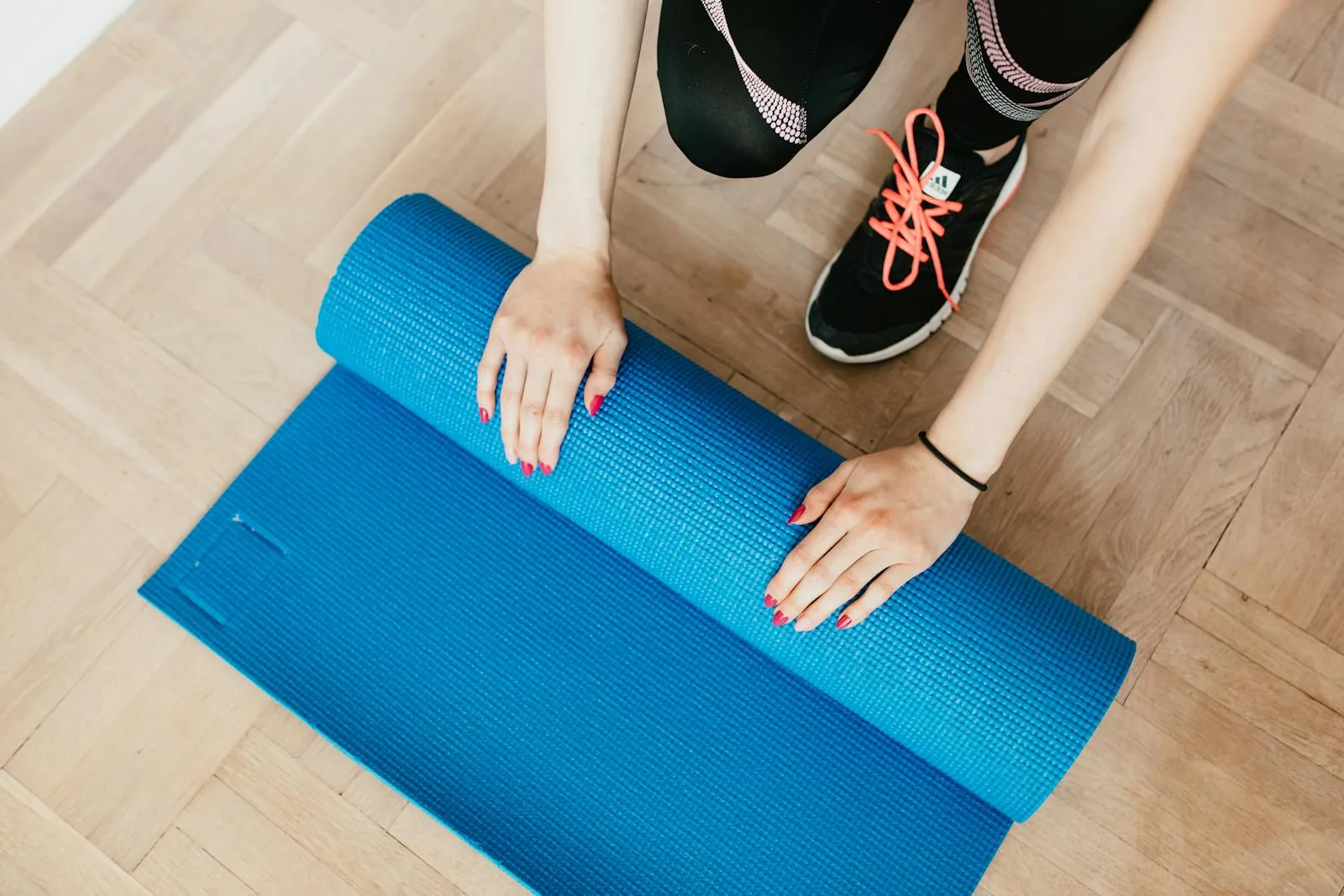
Building Your Recovery Setup on a Budget
You don’t need to spend a fortune. Here’s what I’d buy if I were starting from scratch, in order of priority:
- Yoga mat (TPE, 4-5mm) — about £20-25
- Foam roller (textured, 90cm) — about £15-20
- Lacrosse ball — about £4
- Pair of foam yoga blocks — about £12
- Yoga strap — about £6
- Set of long loop resistance bands — about £12
Total: roughly £70-80. That’s less than the cost of two sports massages and will last you years. If you’re also building a home gym on a budget, this recovery kit slots right in alongside your weights and cardio equipment without taking up much space.
For the premium route — natural rubber mat, cork blocks, TriggerPoint roller, massage gun — you’re looking at about £250-300. Worth it if you train five or more days a week, but not where I’d start.
Where to Buy Yoga and Recovery Gear in the UK
- Decathlon — best value for mats, blocks, and bands. Their in-house Domyos range is solid for the price
- Amazon UK — widest selection, competitive prices, but quality varies wildly. Stick to known brands
- Argos — convenient for basics, and you can click and collect same day
- John Lewis — stocks premium brands like Liforme and Lululemon if you want to see them in person before buying
- Yogamatters — specialist online retailer with excellent own-brand products and helpful reviews
- Sweaty Betty / Lululemon — premium mats and accessories if budget isn’t a concern
Creating a Recovery Routine That Sticks
Owning the gear is step one. Actually using it is where most people fall off. Here’s what works:
Keep it visible. If your foam roller lives in a cupboard, you won’t use it. Leave it next to the sofa. Roll while watching telly. Sounds silly but it works — ask me how I know.
Start with 10 minutes. You don’t need an hour-long yoga session to see benefits. Ten minutes of stretching and rolling after a workout makes a noticeable difference within a week. Build from there.
Follow a programme. YouTube is free and brilliant for this. Yoga With Adriene has a dedicated recovery-focused playlist. Tom Merrick’s mobility routines are fantastic for people who lift weights. Having someone guide you removes the “what should I do?” barrier.
Pair it with your training. If you’re already tracking your fitness goals, add recovery sessions to your plan. Treat them like workouts, not optional extras.
Be consistent, not perfect. Five minutes of rolling every day beats a 45-minute yoga class once a month. Recovery is a habit, not an event.
Common Mistakes to Avoid
Buying too much too soon. Start with a mat and a roller. Add props as your practice develops and you know what you actually need. That £200 massage gun is tempting, but a £4 lacrosse ball might be all you need for the first six months.
Choosing the cheapest mat. A £7 mat from a supermarket will slide, smell of chemicals, and fall apart within weeks. Spend £20 minimum. Your joints and your motivation will thank you.
Ignoring thickness for your activity. A thick fitness mat is wrong for yoga. A thin yoga mat is wrong for Pilates-style floor work. Match the mat to what you’re doing.
Rolling too aggressively. Foam rolling shouldn’t be excruciating. If you’re grimacing and holding your breath, you’re pressing too hard. Moderate pressure for 30-60 seconds per area is more effective than crushing yourself on a hard roller for five seconds.
Skipping recovery because you feel fine. You feel fine until you don’t. Recovery is preventive maintenance. The time to start is before you have a problem, not after.
Recovery kit helps between sessions, while a skipping rope is useful when you want a compact conditioning tool. Our guide to the best skipping ropes compares speed and weighted options.
Frequently Asked Questions
How thick should a yoga mat be for home use? For yoga, a 4-5mm mat is ideal. It’s thick enough to cushion your knees but thin enough to maintain balance in standing poses. If you mainly do restorative yoga or floor-based stretching, a 6mm mat offers extra comfort.
Are expensive yoga mats worth it? If you practise three or more times a week, yes. Premium mats (£40-80) made from natural rubber offer better grip, durability, and comfort. For occasional use, a mid-range TPE mat (£20-30) is perfectly fine.
What’s better for recovery, a foam roller or massage gun? A foam roller is better value and more versatile for most people. It covers large muscle groups in practice and costs £15-30. Massage guns (£80-150+) are useful for targeted deep tissue work but aren’t necessary for beginners.
Do I need yoga blocks as a beginner? Yes, blocks are especially useful for beginners. They help you maintain proper form in poses you can’t fully reach yet, reducing the risk of injury and making yoga more accessible and enjoyable.
How often should I do recovery and stretching? The NHS recommends flexibility and balance activities at least twice a week. For best results, aim for 10-15 minutes of stretching or foam rolling daily, especially after workouts.