VO2 max explained without the sports-science fog is this: it estimates how well your body takes in oxygen, moves it around, and uses it when exercise gets hard. For fitness meaning, the number is useful, but the trend matters more than whether your watch says 39, 42 or 48 today.
In This Article
- VO2 Max Explained: The Plain-English Version
- What a Good VO2 Max Actually Tells You
- How Watches Estimate VO2 Max
- Lab Tests, Gym Tests and Watch Estimates Compared
- How to Improve VO2 Max Without Overdoing It
- The Gear That Helps You Track It
- Mistakes People Make With VO2 Max
- Bottom Line: How Much Should You Care?
- Frequently Asked Questions
VO2 Max Explained: The Plain-English Version
VO2 max is usually written in millilitres of oxygen per kilogram of body weight per minute: ml/kg/min. That sounds like something from a lab report because, originally, it was. The simple version is that a higher VO2 max normally means your aerobic system can support harder exercise before you run out of puff.
It is not just about lungs. It includes:
- Breathing: getting oxygen into the body.
- Heart output: moving oxygen-rich blood around.
- Blood and muscles: carrying and using oxygen while you work.
- Body weight: because the common score is relative to kg of body mass.
That last point is why VO2 max can be a bit unfair. A muscular lifter can have a lower relative VO2 max than a lighter runner and still be very fit for their sport. It is one useful metric, not a certificate of athletic worth.
Why It Shows Up on Watches
Garmin, Apple, Polar and Coros put VO2 max estimates in their fitness watches because it gives users a simple aerobic-fitness trend. People like one number. Watches like one number. The danger is treating that number as more precise than it is.
If your Garmin says 43 and your Apple Watch says 40, that does not mean one is broken. It means two devices are estimating from different sensors, algorithms, workout types and personal data.
Why It Matters for Normal Fitness
For most people training at home, VO2 max is useful because it nudges attention toward cardio fitness. If your training is all lifting, mobility and short walks, your strength might improve while your aerobic ceiling barely moves. If your weekly routine includes brisk walking, cycling, rowing or running, the trend usually starts heading the right way.
The NHS adult activity guidance recommends regular weekly aerobic activity, including either 150 minutes of moderate activity or 75 minutes of vigorous activity. That lines up with the practical message behind VO2 max: your heart and lungs need repeated work, not the occasional heroic session.
What a Good VO2 Max Actually Tells You
A good VO2 max tells you that your aerobic engine is strong for your age, sex, body size and training background. It does not tell you that you can squat well, avoid injury, sleep properly or run a fast 10K without pacing like a lunatic.
Look at the Trend First
The most useful question is not, “Is my VO2 max good?” It is, “Is my VO2 max moving in the right direction while my training still feels sustainable?”
A watch estimate moving from 36 to 40 over a few months is useful feedback. A single reading of 41 after a windy run, poor sleep and a loose watch strap is not worth overthinking.
Fitness Context Matters
VO2 max means different things depending on what you train for:
- For runners: it can support faster paces, but threshold, running economy and durability still matter.
- For cyclists: it helps with climbing and sustained efforts, especially when paired with power data.
- For rowers: it reflects aerobic capacity, but technique can change the workout load a lot.
- For lifters: it helps recovery between sets and general conditioning, but it is not the main measure of progress.
- For general health: it is a useful sign that you are doing enough regular aerobic work.
If you already use the site’s guide to heart rate zones, VO2 max sits one level above that. Zones guide today’s session. VO2 max gives you a longer-term view of whether the aerobic work is paying off.
Do Not Compare Too Hard
Comparing VO2 max scores with friends is mostly pub chat. Age, sex, body weight, running background, device brand and test method all affect the number. If someone weighs 15kg less and runs five times a week, their score is not a fair benchmark for your three home-gym sessions and Sunday bike ride.
Use other people for motivation if you like. Use your own trend for decisions.
How Watches Estimate VO2 Max
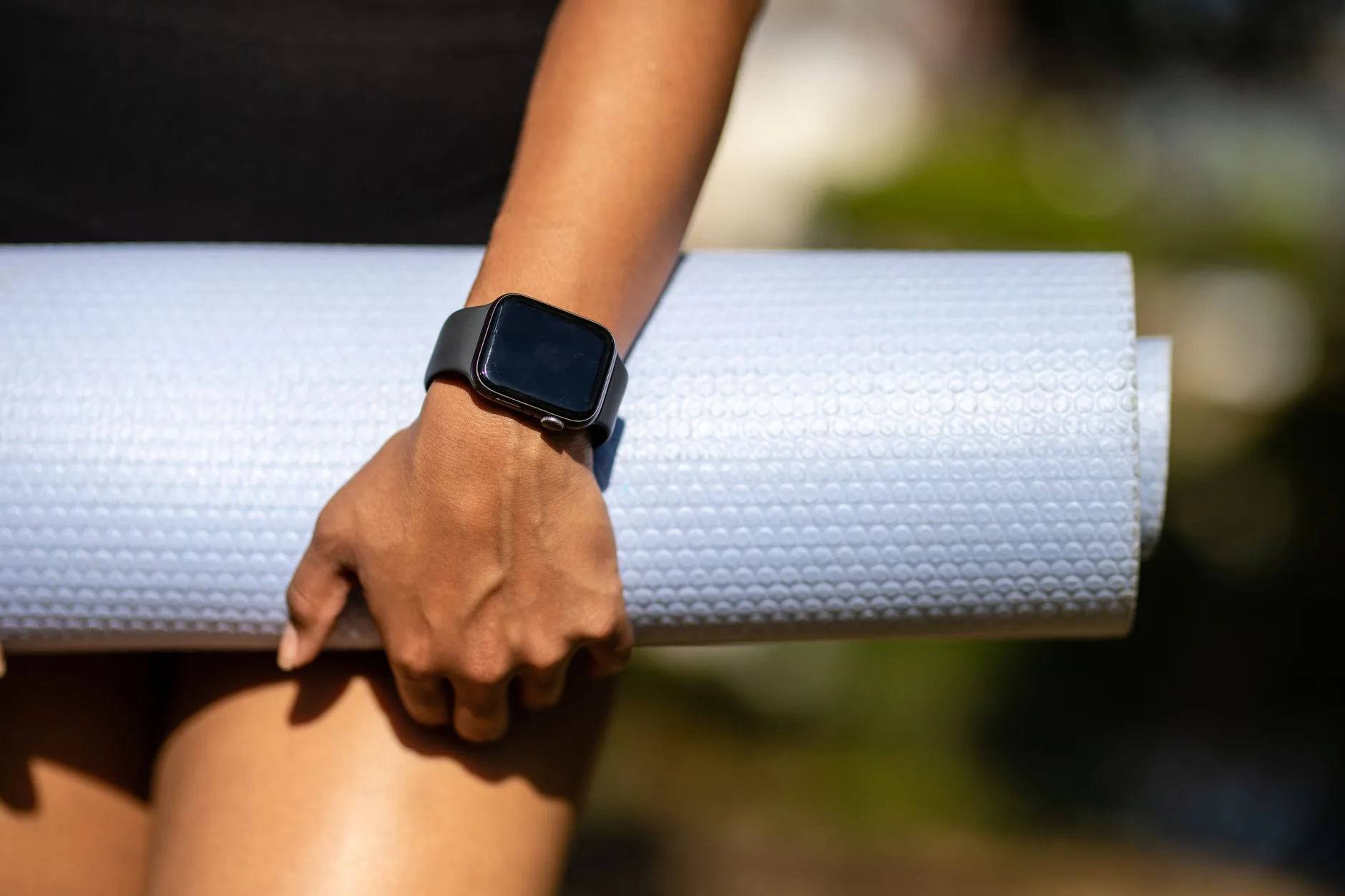
A watch does not measure oxygen in your breath. It estimates VO2 max from workout data. That distinction matters.
Garmin describes VO2 max as the maximum oxygen volume you can consume per minute per kilogram at peak performance, and its devices estimate that from activity data such as pace, heart rate and personal profile. Apple says Apple Watch can estimate cardio fitness during outdoor walk, run or hiking workouts, using heart and motion sensors plus details such as age, sex, weight and height.
What the Watch Needs
For a decent estimate, your watch needs:
- Accurate personal data: age, sex, weight and height should be current.
- Reliable heart rate: loose optical sensors make bad guesses.
- Outdoor pace data: GPS-based runs or walks are often more useful than treadmill sessions.
- Enough steady effort: a 7-minute stop-start dog walk will not tell it much.
- Several sessions: most devices need a pattern, not one workout.
This is where GPS watch features start to matter. Multi-band GPS, good optical heart rate and sensible sport profiles are not just spec-sheet bragging; they affect the quality of the estimate.
Why Your Estimate Jumps Around
VO2 max estimates can shift because of heat, hills, illness, fatigue, bad GPS, wrist position, medication, caffeine, stress or a watch update. If your score drops two points after a hot hilly run, do not redesign your entire training plan over breakfast.
A chest strap can help. Optical wrist sensors are much better than they were, but interval training and cold weather can still confuse them. If you care about cleaner data, pair a watch with a chest strap for harder sessions.
Lab Tests, Gym Tests and Watch Estimates Compared
There are three realistic ways most people encounter VO2 max: a lab test, a field test, or a wearable estimate.
Lab Test
A proper lab VO2 max test uses a mask, graded exercise and gas analysis. It is the gold standard, but it is not something most home-gym users need. UK sports-performance clinics often charge roughly £100-£200 for a VO2 max or metabolic test, sometimes more if lactate testing and a report are included.
It makes sense if you are training seriously for endurance events, want accurate zones, or have a coach who will use the data. It is overkill if you just want to know whether the new exercise bike is helping.
Field Test
A field test is cheaper but rougher. The classic example is a Cooper 12-minute run, where distance covered is used to estimate aerobic fitness. Some gyms and coaches use step tests or treadmill protocols.
These are useful for comparing yourself against yourself, but they still depend on pacing, motivation, weather and familiarity. If you blast the first three minutes and fall apart, you have tested optimism more than VO2 max.
Watch Estimate
A watch estimate is the easiest option because it happens in the background. It is good enough for trend tracking if you feed it decent workouts and clean heart-rate data. It is not good enough to argue over decimal points.
The right hierarchy is simple: lab for accuracy, field tests for occasional benchmarking, watch estimates for everyday trends.
How to Improve VO2 Max Without Overdoing It
The way to improve VO2 max is not to smash yourself every session. It is to build enough aerobic volume, add some higher-intensity work, and recover properly.
Build the Base First
If you are new or returning after a break, start with consistent moderate work: brisk walking, cycling, rowing, incline treadmill walking or easy running. Two to four sessions a week is plenty at first.
A sensible home-gym week might look like:
- One easy cardio session: 30-45 minutes on an exercise bike, treadmill or rower.
- One interval session: short hard efforts with proper recovery.
- One strength session: lifting, bodyweight work or kettlebells.
- One optional recovery session: walking, mobility or easy cycling.
That fits better than pretending you will suddenly run six days a week because your watch looked disappointed.
Add Intervals Carefully
Intervals help because VO2 max responds to time spent near hard aerobic effort. You do not need complicated sessions. Try:
- Warm up for 10 minutes. Keep it easy enough to talk.
- Do 4 x 3 minutes hard. Aim for a controlled effort, not a sprint.
- Recover for 2-3 minutes easy between reps. Let breathing settle.
- Cool down for 5-10 minutes. Do not finish by collapsing on the floor and calling it science.
Do that once a week for a month before adding more. If your joints hate running, use a bike, rower or air bike instead. The heart and lungs still get the message.
For machine choice, the existing comparison of rowing machine vs exercise bike calorie burn is useful, but for VO2 max the better tool is the one you will use hard and consistently without aggravating knees, back or hips.
Keep Strength Training In
Strength work does not replace cardio, but it supports it. Stronger legs, hips and trunk help you tolerate harder sessions. If you are building a mixed home setup, a home gym workout plan should include both resistance and aerobic work rather than treating them as rival camps.
The boring bit works: repeatable weeks, enough sleep, and not turning every session into a test.

The Gear That Helps You Track It
You can improve VO2 max with no gadget at all. Still, the right kit makes tracking easier and keeps the feedback more consistent.
Budget: Phone, Park Route and Optional Strap, £0-£60
The cheapest route is a fixed outdoor route, a phone GPS app and a repeatable 20-30 minute effort every few weeks. Add a basic Bluetooth chest strap if you want cleaner heart-rate data; Decathlon and Amazon UK options often sit around £25-£45.
This is enough if you mainly want to see whether you are getting fitter. It will not produce a neat VO2 max dashboard, but pace at the same effort is still useful.
Mid-Range: Running Watch, About £180-£280
A Garmin Forerunner 165, Coros Pace 3 or similar GPS watch is the sweet spot for many UK users. Expect to pay around £180-£250 for a Coros Pace 3 and roughly £220-£280 for a Garmin Forerunner 165, depending on offers at places like Amazon UK, Decathlon, Argos and specialist running shops.
Pairing one with a Polar H10 or Garmin HRM-Dual chest strap, usually around £55-£80, makes harder sessions more reliable. That is the setup I would choose if VO2 max trends matter but lab testing does not.
Premium: Watch Plus Cardio Machine, £500+
If you train indoors, a decent exercise bike, rower or treadmill gives you repeatable sessions. Budget exercise bikes start under £200, but sturdier machines are usually £300-£800. Smart bikes and premium rowers can push well past £1,000.
The best upgrade is not always the flashiest watch. Sometimes it is the machine you will use three times a week because it is quiet, stable and already set up. The site’s guide to fitness trackers for weight training is worth reading if you lift as much as you do cardio, because many watch features are built around running first.
Mistakes People Make With VO2 Max
The first mistake is treating VO2 max as the whole story. It is not. You can improve your 5K time through pacing, running economy, threshold work and weight management even when VO2 max barely moves.
The second mistake is testing too often. If you check the number every morning and react emotionally, the watch is training you rather than the other way round.
The third mistake is chasing high-intensity work while ignoring recovery. Two hard cardio sessions a week can be plenty. Four hard sessions plus heavy leg training is how knees, calves and motivation start filing complaints.
Other common errors:
- Bad watch fit: loose straps produce noisy heart-rate data.
- Wrong profile data: outdated body weight can skew relative VO2 max estimates.
- Only treadmill workouts: some watches need outdoor GPS workouts for VO2 max updates.
- Comparing different devices: Garmin, Apple, Polar and Coros are not identical lab machines.
- Ignoring how you feel: a rising score with poor sleep and sore legs is not a win.
This connects with tracking calories burned accurately: wearable numbers are estimates. Useful estimates, yes, but estimates.
Bottom Line: How Much Should You Care?
Care about VO2 max enough to notice the trend, not enough to let it run your life. If your score is gradually improving, your sessions feel sustainable, and your real-world pace, stamina or recovery is better, you are on the right track.
If the number stalls, look at the basics first: consistent weekly cardio, one harder session, enough easy work, accurate watch data, and recovery. Do not buy a £600 watch to fix a £0 consistency problem.
For most GymGearUK readers, the best VO2 max plan is practical: use the watch estimate as a guide, train across zones, keep strength work in, and judge progress by how you perform outside the app.
Frequently Asked Questions
What does VO2 max mean in fitness? VO2 max estimates how much oxygen your body can use during hard exercise. In fitness terms, it is a marker of aerobic capacity and cardio conditioning.
Is a higher VO2 max always better? A higher VO2 max is usually good for endurance fitness, but it is not the only measure that matters. Strength, skill, body composition, recovery and sport-specific technique all affect performance.
Can a smartwatch measure VO2 max accurately? A smartwatch estimates VO2 max rather than measuring oxygen directly. It can be useful for trends if your profile, GPS and heart-rate data are accurate, but a lab test is more precise.
How quickly can VO2 max improve? Beginners may see changes within several weeks of consistent cardio training. Trained athletes usually improve more slowly because they are closer to their ceiling.
What exercise is best for improving VO2 max? A mix of steady aerobic work and controlled intervals works best for most people. Running, cycling, rowing and air-bike intervals can all help if you recover properly.
Do I need expensive gear to improve VO2 max? No. A repeatable route, a basic cardio machine or a £25-£45 chest strap can be enough. A £180-£280 GPS watch makes tracking easier, but consistency matters more.