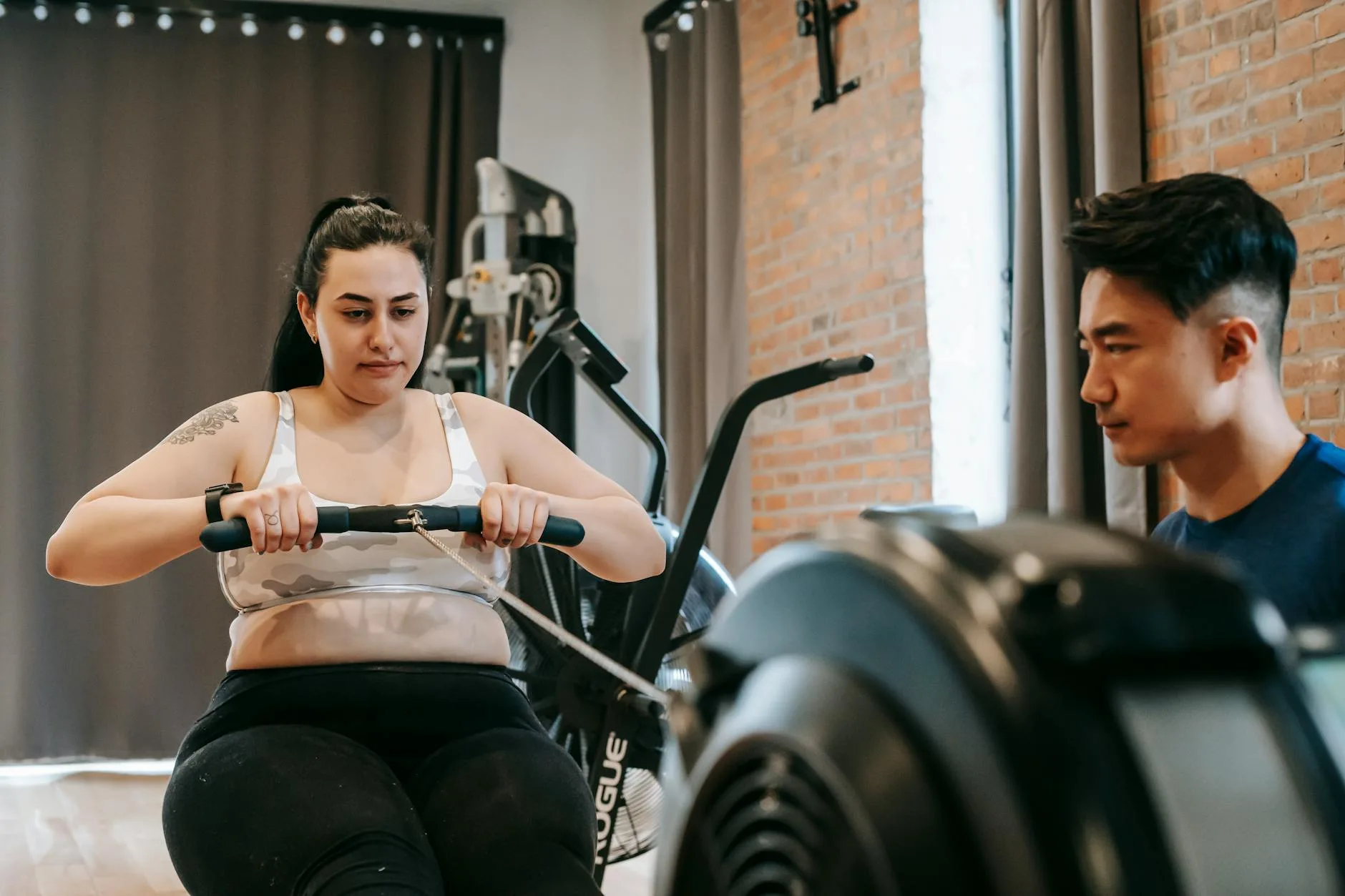
You bought a rowing machine six weeks ago. The first two weeks were brilliant — you rowed for 20 minutes every morning, felt smug about it, then gradually started using it as an expensive clothes hanger. Sound familiar? The problem isn’t willpower. It’s boredom. Steady-state rowing at the same pace, same time, same dead stare at the garage wall gets old fast. HIIT — high-intensity interval training — is the fix, and the rowing machine is one of the best pieces of kit in your home gym to do it on. For related guidance, see our How to Use a Rowing Machine with Proper Form guide. For related guidance, see our Rowing Machine vs Exercise Bike: Which Burns More Calories? guide.
In This Article
- Why HIIT Works So Well on a Rowing Machine
- What You Need Before Starting
- Rowing Technique: A Quick Refresher
- Beginner HIIT Workout 1: The 30/30
- Beginner HIIT Workout 2: The Pyramid
- Beginner HIIT Workout 3: The Tabata
- How to Measure Intensity on a Rower
- Common Mistakes Beginners Make with Rowing HIIT
- Warm-Up and Cool-Down Routines
- How to Fit Rowing HIIT into a Weekly Schedule
- When to Progress Beyond Beginner Workouts
- Frequently Asked Questions
Why HIIT Works So Well on a Rowing Machine
Rowing is a full-body movement. Every stroke engages your legs, core, and upper back — roughly 86% of your muscle mass, according to research from the British Rowing federation. That makes it fundamentally different from cycling or running HIIT, which are mostly lower-body dominant.
More Muscles, More Calorie Burn
When you sprint on a rower, you’re driving with your legs, bracing with your core, and pulling with your arms and back simultaneously. That combination means your heart rate spikes quickly and your calorie burn per minute is higher than most other cardio options. A 20-minute rowing HIIT session typically burns 250-350 calories depending on your weight and effort — comparable to a 30-minute run at a decent pace.
Low Impact, High Intensity
Unlike running intervals, rowing doesn’t hammer your joints. Your feet stay planted, there’s no ground impact, and the movement is smooth through the full range. If you’ve got dodgy knees or you’re carrying extra weight, this matters. You can push to genuine maximum effort without worrying about shin splints or knee pain the next morning.
I’ve been using a Concept2 for rowing HIIT sessions for the past year, and the difference in how my body feels compared to running sprints is night and day. Same cardiovascular benefit, none of the joint complaints.
What You Need Before Starting
A Rowing Machine with a Performance Monitor
Any rower with a display showing split time, stroke rate, and distance will work. Air resistance rowers (Concept2, JTX Freedom Air) are ideal because resistance scales with effort — row harder and it gets harder automatically. Magnetic rowers work too but feel less natural at high intensity.
If you’re still shopping, our guide to choosing a rowing machine covers what matters.
Basic Rowing Competence
Don’t jump into HIIT intervals on day one. You need smooth, consistent technique at moderate effort before adding speed. That means at least 2-3 weeks of regular rowing at a conversational pace, focusing on form. If your chain is jerking, your back is rounding, or your hands are crashing into your knees, fix those first.
A Timer or Phone
Most rower monitors have interval timers built in. If yours doesn’t, your phone timer works fine. Some free apps — Rowing Timer, IntervalTimer — let you programme custom work/rest intervals with audio cues so you don’t have to keep checking the screen.
Rowing Technique: A Quick Refresher
Getting your form right matters even more during HIIT, because fatigue makes technique fall apart. Here’s the sequence:
The Drive Phase
- Push with your legs first — this generates about 60% of your power
- Swing your body back once legs are nearly straight — another 30%
- Pull the handle to your lower ribs — the final 10%
The order is legs, body, arms. Always. Even when you’re gasping for air at interval number eight.
The Recovery Phase
- Arms away first — extend arms in front
- Lean forward from hips — body follows arms
- Bend knees and slide forward — back to the catch position
Recovery should take roughly twice as long as the drive. This is where you breathe. Rushing the recovery is the single most common mistake in rowing HIIT.
What Goes Wrong Under Fatigue
When you’re tired, you start pulling with your arms before your legs are done. Your back rounds. Your stroke rate climbs but your power drops. You end up flailing. Better to drop 2-3 strokes per minute and maintain good form than to thrash at 35+ strokes per minute with garbage technique.
Beginner HIIT Workout 1: The 30/30
This is the simplest rowing HIIT workout, and the one we recommend for your first ever session.
Structure
- Warm up: 5 minutes easy rowing (20 strokes/min, comfortable pace)
- Work interval: 30 seconds hard rowing (aim for 26-28 strokes/min)
- Rest interval: 30 seconds very easy rowing (don’t stop — just slow right down)
- Repeat: 8 rounds (8 minutes of intervals)
- Cool down: 5 minutes easy rowing
Total time: 18 minutes
How It Should Feel
During the work intervals, you should be breathing hard and unable to hold a conversation. During rest, your breathing should slow but won’t fully recover before the next interval starts. That’s the point — you’re building cardiovascular fitness by repeatedly pushing into the uncomfortable zone and recovering just enough to go again.
After the first 3-4 rounds, you’ll feel the burn in your quads and your heart rate will be well elevated. The last 2 rounds are where the mental challenge kicks in. Push through them with good form and you’ve earned your shower.
Beginner HIIT Workout 2: The Pyramid
Once you’re comfortable with the 30/30, the pyramid adds variety by changing interval lengths.
Structure
- Warm up: 5 minutes easy rowing
- Round 1: 20 seconds hard / 40 seconds easy
- Round 2: 30 seconds hard / 30 seconds easy
- Round 3: 40 seconds hard / 20 seconds easy
- Round 4: 45 seconds hard / 15 seconds easy (the peak)
- Round 5: 40 seconds hard / 20 seconds easy
- Round 6: 30 seconds hard / 30 seconds easy
- Round 7: 20 seconds hard / 40 seconds easy
- Cool down: 5 minutes easy rowing
Total time: 17 minutes
Why the Pyramid Works
The escalating work periods force your body to adapt mid-session. Round 4 is genuinely tough — 45 seconds of hard rowing with only 15 seconds to recover before the next round. But because you know it gets easier on the way down, there’s a psychological boost that helps you push through. We’ve found this workout keeps things interesting in a way that fixed intervals don’t.
Beginner HIIT Workout 3: The Tabata
Tabata is a specific HIIT protocol: 20 seconds all-out effort, 10 seconds rest, repeated 8 times. It was developed by Japanese researcher Dr Izumi Tabata and is brutally effective.
Structure
- Warm up: 5 minutes easy rowing (don’t skip this — Tabata without a warm-up is asking for trouble)
- Sprint: 20 seconds absolute maximum effort
- Rest: 10 seconds (stop rowing completely or paddle very gently)
- Repeat: 8 rounds (4 minutes total)
- Cool down: 5 minutes easy rowing, then stretching
Total time: 14 minutes
A Warning for Beginners
Tabata looks easy on paper. Four minutes? Anyone can do four minutes. No. If you’re doing it properly — truly maximum effort on every sprint — it’s the hardest four minutes of your week. Your lungs will burn. Your legs will feel like concrete by round 6. The 10-second rest is nowhere near enough to recover, and that’s by design.
Start with one set of 8 rounds. If you feel capable of doing a second set immediately, you weren’t going hard enough. After a month, you can try two sets with 2 minutes rest between them, but one set done properly is plenty for beginners.
How to Measure Intensity on a Rower
Split Time (Time per 500m)
This is the most useful metric on your rower’s display. Your easy rowing split might be 2:30/500m. Your hard intervals might drop to 1:50-2:00/500m. The gap between those nu
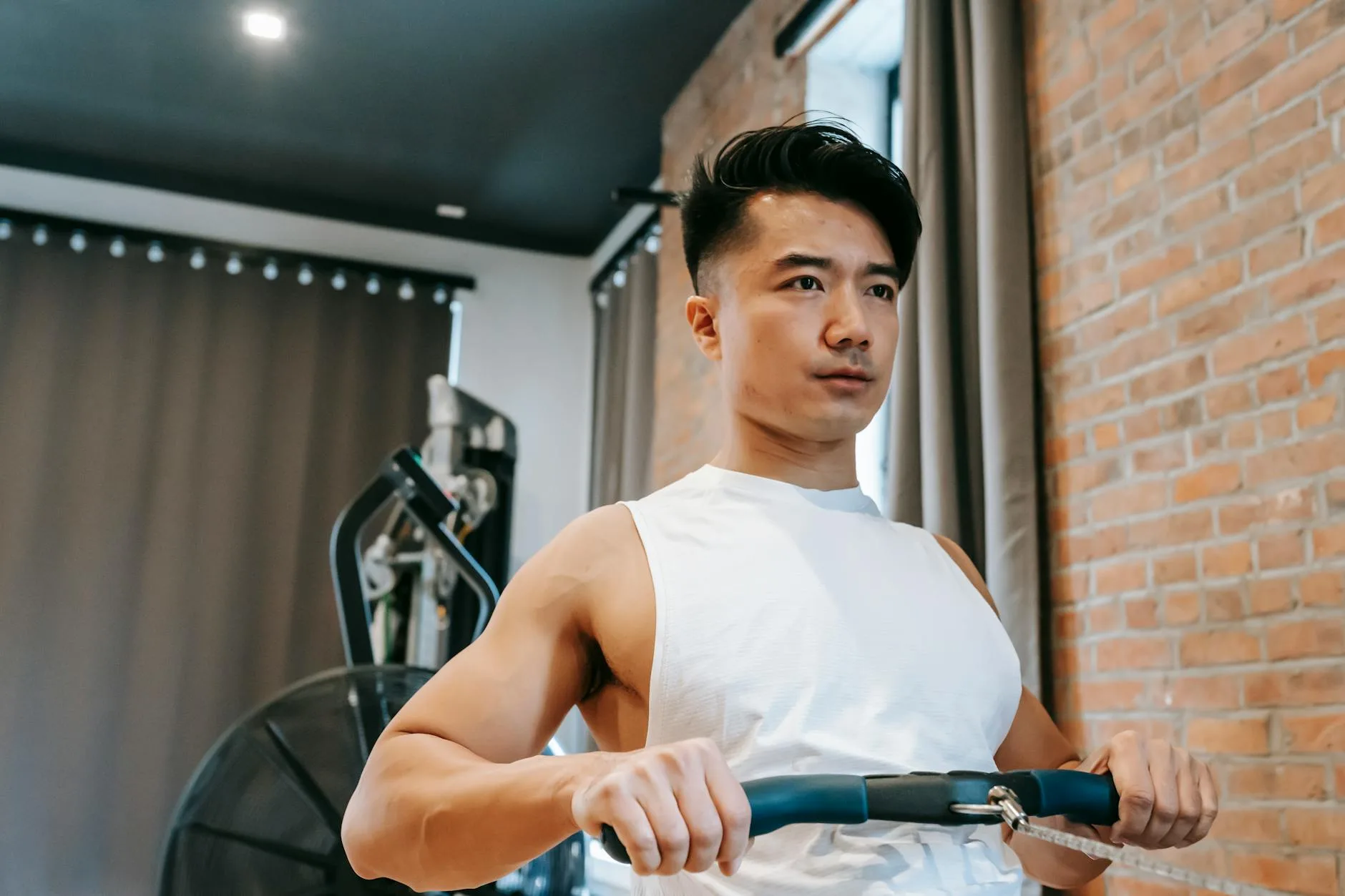
Don’t compare your splits to anyone else’s — they depend on your size, fitness, and rowing experience. Track your own numbers over weeks and watch them improve.
Stroke Rate
- Easy rowing: 18-22 strokes per minute
- Moderate effort: 22-26 strokes per minute
- Hard intervals: 26-30 strokes per minute
- Maximum sprint: 30-36 strokes per minute
Higher stroke rate doesn’t always mean more power. A controlled 28 spm with strong leg drive beats a frantic 34 spm with arms-only pulling.
Heart Rate
If you have a fitness tracker or chest strap, heart rate is the most objective measure. During work intervals, aim for 80-90% of your maximum heart rate. During rest intervals, let it drop as low as it will.
Common Mistakes Beginners Make with Rowing HIIT
Going Too Hard Too Soon
Your first HIIT session should feel challenging but manageable. If you’re seeing stars after round 3 of your first ever session, you went too hard. Scale back the effort to about 80% of what you think maximum is, and build up over 2-3 weeks.
Neglecting the Recovery Intervals
The rest periods are part of the training, not a break from it. Keep rowing during rest intervals (except in Tabata where full stops are acceptable). Active recovery keeps blood flowing and helps clear lactate from your muscles.
Setting the Damper Too High
That resistance lever on the side of your rower? Most beginners crank it to 10 thinking harder resistance means a better workout. Wrong. The damper controls how the flywheel feels, not the actual resistance. Set it between 3-5 for most HIIT work. Going higher just makes the catch heavier and increases injury risk without improving the workout.
Rounding the Lower Back
When fatigue sets in, your lower back rounds as you reach for the catch. This puts your spine in a vulnerable position under load. If you feel your back rounding, slow your stroke rate, focus on sitting tall, and hinge from your hips rather than your waist. I learned this one the hard way after ignoring back niggles for a week.
Skipping the Warm-Up
Five minutes of easy rowing before HIIT isn’t optional. Cold muscles and tendons don’t respond well to sudden maximum effort. The warm-up primes your cardiovascular system and gets synovial fluid moving in your joints. Skip it and you’re risking a pulled back or strained hamstring.
Warm-Up and Cool-Down Routines
Warm-Up (5 Minutes)
- Minutes 1-2: Very easy rowing at 18 spm — barely any effort, just getting the body moving
- Minutes 3-4: Increase pace slightly to 20-22 spm — you should feel warm but comfortable
- Minute 5: Two short 10-second picks at moderate intensity to prime the muscles for what’s coming
Cool-Down (5 Minutes)
- Minutes 1-3: Easy rowing at 18 spm, gradually slowing
- Minutes 4-5: Off the rower. Light stretching: hamstrings, hip flexors, shoulders, and lower back. Hold each stretch for 20-30 seconds
The cool-down matters more than most people think. Stopping abruptly after intense exercise can cause blood pooling and dizziness. Ease back gradually.
How to Fit Rowing HIIT into a Weekly Schedule
For Complete Beginners
- Monday: 30/30 workout (18 minutes)
- Wednesday: Easy steady-state row (20-25 minutes at conversational pace)
- Friday: Pyramid workout (17 minutes)
Three sessions per week is plenty when starting out. The steady-state session on Wednesday builds aerobic base and gives your body recovery time between HIIT days.
After 4-6 Weeks
- Monday: Pyramid or Tabata
- Tuesday: Weights or bodyweight training
- Wednesday: Steady-state row (25-30 minutes)
- Thursday: Rest or yoga
- Friday: 30/30 with increased rounds (10-12 instead of 8)
- Saturday: Longer row or outdoor activity
The key rule: never do HIIT on consecutive days. Your body needs 48 hours between high-intensity sessions to recover and adapt. If you’re still feeling sore from Monday’s session on Wednesday, switch to easy rowing instead of pushing through. Our home gym equipment guide covers how to build a well-rounded routine around your rower.
When to Progress Beyond Beginner Workouts
Signs You’re Ready
- The 30/30 feels comfortable and you can maintain strong form through all 8 rounds
- Your recovery heart rate drops faster — you’re getting back to baseline quicker between intervals
- Your split times improve — the gap between easy and hard intervals is narrowing
- You’re not sore the day after — some fatigue is normal, but persistent muscle soreness means you’re not recovered
Where to Go Next
- Increase rounds: Move from 8 to 10 or 12 rounds on the 30/30
- Shorten rest periods: Try 30 seconds work / 20 seconds rest
- Add a second Tabata set with 2 minutes rest between sets
- Mix in longer intervals: 60 seconds hard / 60 seconds easy for more sustained power development
Don’t rush progression. If you’re consistently completing 3 sessions per week with good form and gradual improvement over 6-8 weeks, you’re on track. That’s more than most people manage with their rowing machine, and your fitness will show it.
Frequently Asked Questions
How often should I do HIIT on a rowing machine? Two to three times per week with at least 48 hours between sessions. More than that risks overtraining and increases injury risk, especially for beginners. Mix HIIT days with steady-state rowing or rest days.
Will rowing HIIT help me lose weight? Yes, when combined with a sensible diet. Rowing HIIT burns 250-350 calories per session and creates an afterburn effect (excess post-exercise oxygen consumption) that keeps your metabolism elevated for hours afterward. The combination of calorie burn and muscle engagement makes it effective for fat loss.
What damper setting should I use for HIIT? Between 3 and 5 for most people. Higher settings make the catch heavier but don’t increase the actual workout intensity — your effort does that. A moderate damper setting lets you maintain good form at high stroke rates.
Can I do rowing HIIT if I have bad knees? Usually, yes. Rowing is low-impact because your feet stay planted and there’s no ground strike. However, if you have specific knee conditions, check with your GP or physiotherapist before starting. The seated position and smooth motion make rowing one of the most joint-friendly cardio options available.
How long before I see results from rowing HIIT? Most people notice improved cardiovascular fitness within 2-3 weeks — easier breathing during everyday activities, faster recovery between intervals. Visible body composition changes typically take 6-8 weeks with consistent training and a reasonable diet.